Controversy surrounds the aftermath of Texas Longhorns’ loss to Ohio State last year, with Arch Manning taking much of the blame. However, Dan Dakich argues that the real issue lay in the Longhorns’ inability to get their skill players open, making Manning’s role less significant in their defeat.
Week 2 of the current college football season was packed with surprises and unexpected twists. Oregon Ducks suffered a major upset at the hands of Oklahoma State Cowboys. Meanwhile, Michigan Wolverines, making a comeback from a disappointing performance against Western Michigan, managed to beat the No. 11 ranked Oklahoma Sooners. Texas Longhorns provided a dramatic end to the week by rallying in the fourth quarter to overcome Ohio State Buckeyes at home.
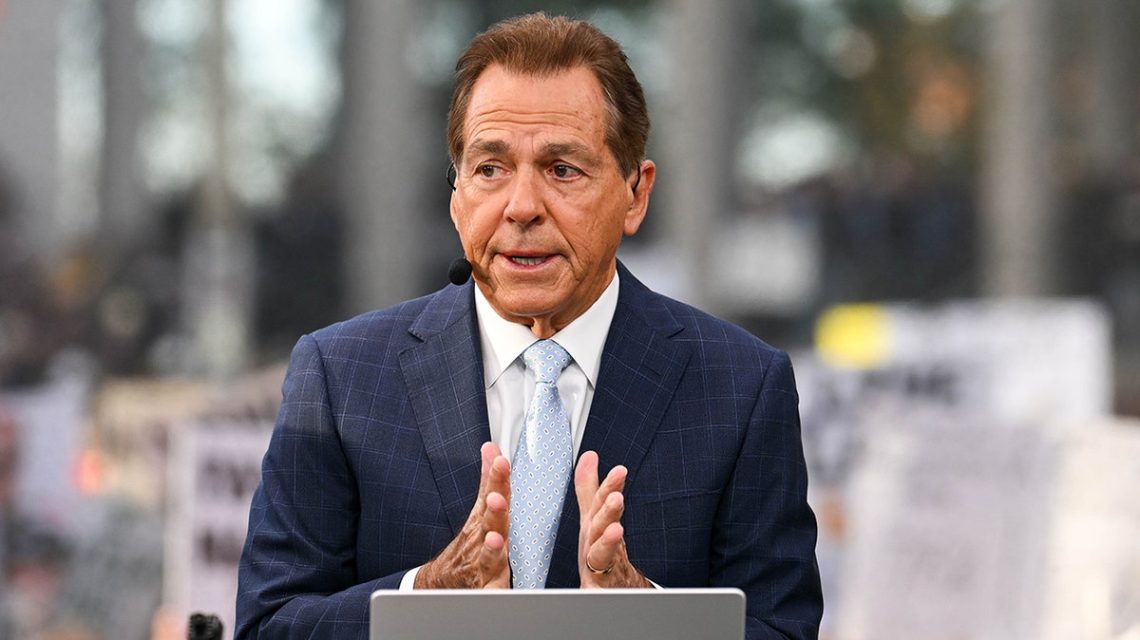
Head coach Nick Saban, speaking during ESPN’s College GameDay, emphasized the importance of teams playing tough schedules and suggested that the playoff selection process should take into account not only wins but the quality of those wins and losses.
Saban stated, “Players love to play in big games. Fans love to see big games.” He argued that the current playoff selection system is too focused on the number of wins rather than the quality and competition level of those wins.
The idea of evaluating the strength of schedule in the playoff process, particularly in the era of expanded playoffs, continues to be debated. As Saban pointed out, the system needs to incorporate other metrics, blending success rate with efficiency-based computer-driven rankings.
For example, despite Alabama’s solid performance in previous seasons, they weren’t penalized heavily for their loss to Georgia Bulldogs in the SEC Championship. This scenario raises questions about how rankings should reflect real outcomes and performances across the season.
Postgame analysis of the Texas-Ohio State game shows a near-even match-up, despite Texas clinching the victory. By various metrics such as SP+, Ohio State remains a formidable team and ranks second, with Texas in sixth place. This reflects the complexity of ranking systems that go beyond mere win-loss records.
The discussion on how playoff teams are selected touches on broader changes in college football including the effects of NIL agreements and transfer portals. Teams like Texas Tech show significant roster development over the years, highlighting the evolving nature of team strength and performance.
With potential for an expanded playoff field, more competitive games might be encouraged, giving teams room for errors and reducing the fear of elimination from playoff contention. However, the balance between quality wins and pleasing fans remains a continuous debate.
Saban also commented on the personal growth for players facing top-tier teams, stating, “Great competition makes you better.” His insights remain valuable as discussions continue to shape the future of college football playoffs.
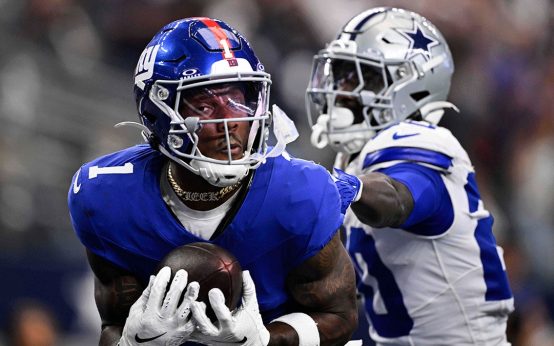 Fantasy Football: Navigating Malik Nabers’ Uncertainty for Week 1
 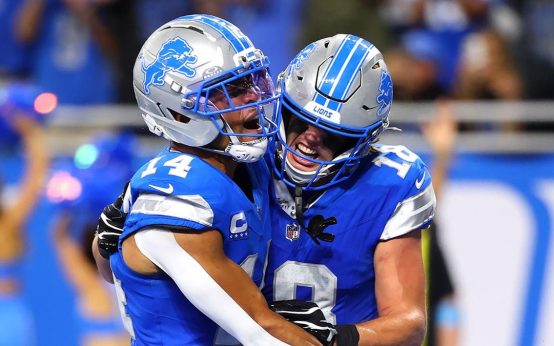 Detroit Lions Overcome Saints in Overtime Thriller
  U.S. Women’s Basketball Team Clinches Fifth FIBA World Cup Title
  Alexander Zverev Wins U.S. Open Men’s Singles Title
  U.S. Women’s Basketball Team Triumphs in FIBA World Cup
 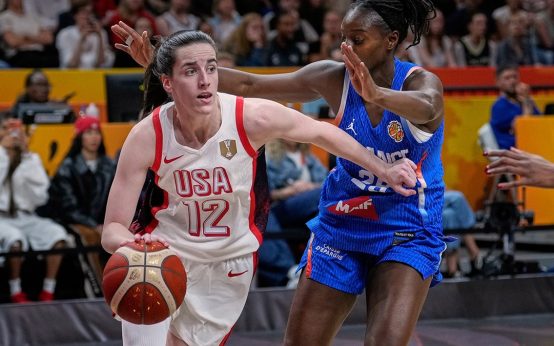 Team USA Dominates with Victory Over France in Women’s Basketball World Cup