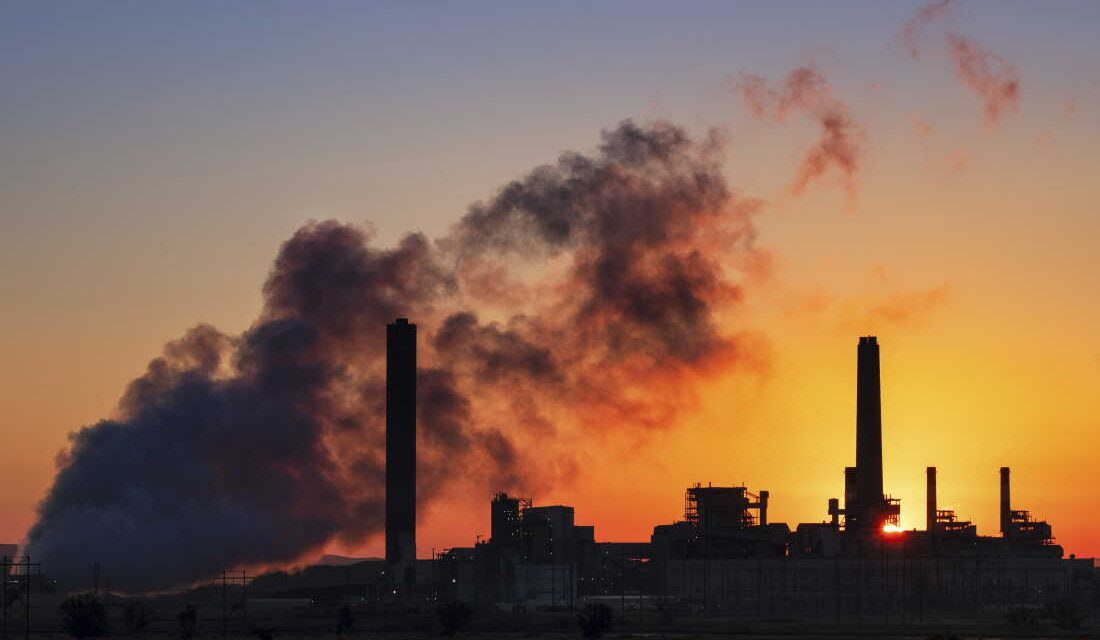
A photo of a coal-fired power plant in Glenrock, Wyoming, dated July 27, 2018, captures the silhouette against the morning sun, reflecting the scene amid the Environmental Protection Agency’s (EPA) latest announcement. The EPA plans to repeal the limits placed on greenhouse gas emissions from fossil fuel-fired power plants, marking a significant shift in U.S. power sector regulations.
The Trump administration has taken a pivotal step in removing the requirements established by the Biden administration for existing coal and new natural gas-fired plants to substantially reduce carbon dioxide emissions starting in the 2030s. EPA Administrator Lee Zeldin describes this as the largest deregulatory action in the history of the U.S. power industry.
Carbon dioxide emissions are the leading cause of global warming, primarily driven by human activity. Within the U.S., power plants rank second after transportation in contributing to planet-warming emissions. Zeldin, speaking at the G20 Energy Summit in Houston, criticized previous actions by the Biden and Obama administrations for leading to increased energy costs and limiting the country’s energy potential. “The days of Biden and Obama working to destroy natural gas and coal are over,” stated Zeldin.
Despite this deregulatory approach, large solar and wind projects offer more cost-competitive energy sources compared to natural gas and coal, as identified by financial services firm Lazard. Zeldin mentions plans to rescind all existing standards for power plant greenhouse gas emissions, sparking concern among environmental groups. These groups highlight the health risks implications from increased pollution, with Gudrun Thompson, a senior attorney at the Southern Environmental Law Center, emphasizing, “These rules are really important, not just for our climate, but also to protect public health from the dangers of local air pollution.”
Trump’s administration has consistently disputed climate science fundamentals, labeling climate change as a “con job” and actively reversing Biden-era climate policies. Environmental organizations intend to challenge the EPA’s decision in court.
The legal foundations for regulating power plant emissions originated with the Supreme Court’s 2007 Massachusetts v. EPA decision, which mandated the regulation of carbon dioxide emissions under the Clean Air Act. This ruling led to the EPA’s 2009 endangerment finding, which identified greenhouse gas pollution as a threat to human health. In 2014, the Obama administration introduced the “Clean Power Plan,” aimed at reducing power plant carbon emissions by 32% from 2005 levels, intended for achievement by 2030. However, legal challenges prevented the plan from being implemented.
Despite this, the U.S. met the targets earlier, facilitated by the replacement of coal-fired power plants with natural gas plants and an increase in renewable energy production. The Affordable Clean Energy rule under Trump relaxed emission restrictions. During Biden’s tenure starting in 2021, he introduced an ambitious climate plan to cease power sector climate pollution by 2035.
The U.S. Supreme Court’s 2022 ruling restricted the EPA’s regulatory capabilities without specific legislation, prompting the agency to focus on individual plant regulations to withstand conservative judiciary scrutiny. Nonetheless, the Trump administration’s actions have now entirely removed these limits.
Professor Michael Gerrard from Columbia University notes the urgency in combating climate change in light of the record warmth globally observed last month. “2026 is shaping up to be the warmest year in recorded history,” Gerrard predicts, emphasizing the critical need for stringent greenhouse gas emission controls at this juncture.
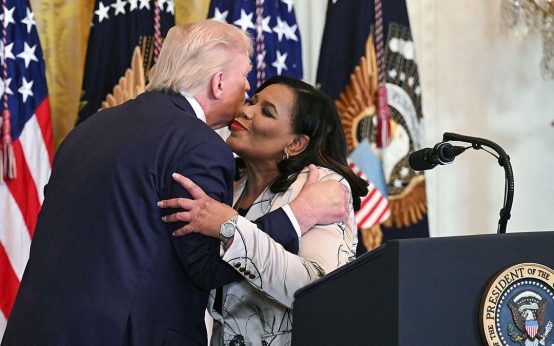 Debate Over Presidential Pardons and ‘Pardon Brokers’
  Senate Prepares Test Vote on Cryptocurrency Bill; House Eliminates Penny
 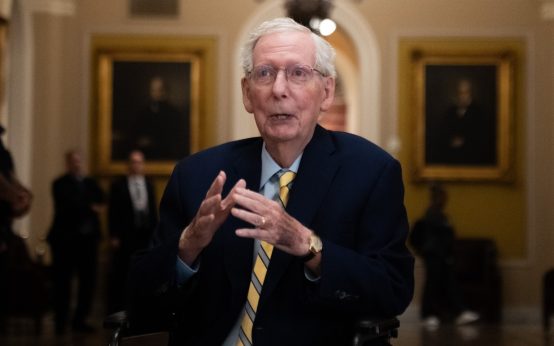 Senator McConnell Returns to Senate Amid Health Concerns
 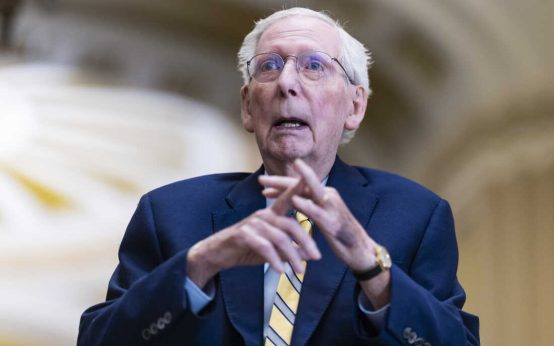 Senator Mitch McConnell Makes a Return to the Senate After Recovery
  Whistleblower Accuses Federal Agents of Possible State Law Violations in Voter Investigation
 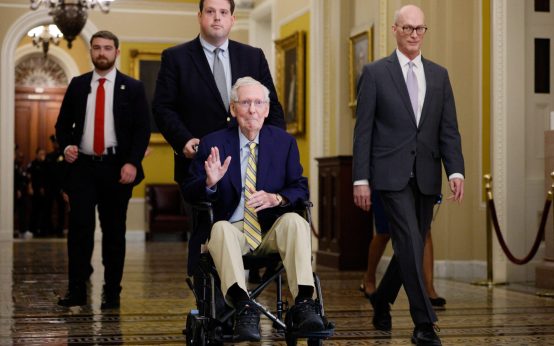 Mitch McConnell Returns to Senate After Health-Related Absence