
President Trump’s Foreign Policy Changes
President Donald Trump’s second term marks significant and unexpected shifts in U.S. foreign policy. These changes include a tense relationship with Canada and improved ties with Venezuela’s Chavista regime. These developments have created a complex international landscape.
Colder Relations with Canada
Trump’s approach to Canada has defied traditional norms. Typically, the U.S. and Canada maintain a cordial relationship, but Trump’s actions have triggered a cold war-like atmosphere. This shift in relations might have broad implications for trade, security, and diplomatic interactions between the two nations.
Warm Relations with Venezuela
Another surprising change is Trump’s rapport with Venezuela’s Chavista regime. This shift contrasts with the previous U.S. stance against socialist governments in Latin America. The evolving relationship could influence regional dynamics and U.S. interests in Latin America.
High Cost of Confronting Beijing
Confronting China has proved costly for Trump. The complex economic interdependence and political rivalry between the U.S. and China amplifies the challenges each country faces in balancing interests. This dynamic affects trade policies, international security, and geopolitical strategies.
As Trump continues in his second term, these foreign policy transformations present challenges for traditional allies and rivals alike. Observers remain focused on the implications for global relations and economic cooperation.
 Iran’s Attacks on Bahrain: The Impact on Military Families
 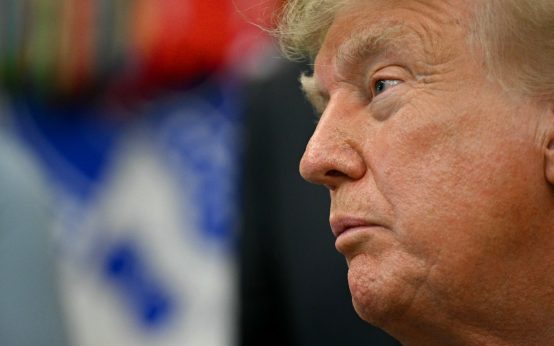 Trump’s Approval Rating Falls Below 30 Percent
 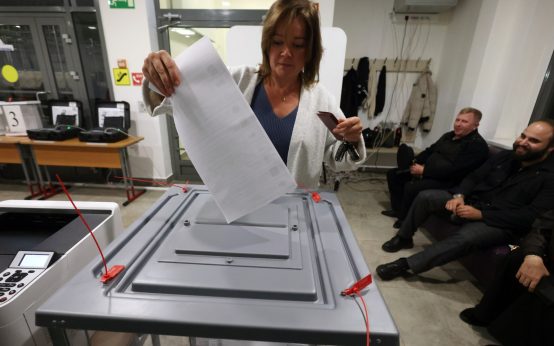 United Russia’s Dominant Election Result: Implications for Putin’s Ukraine Policy
 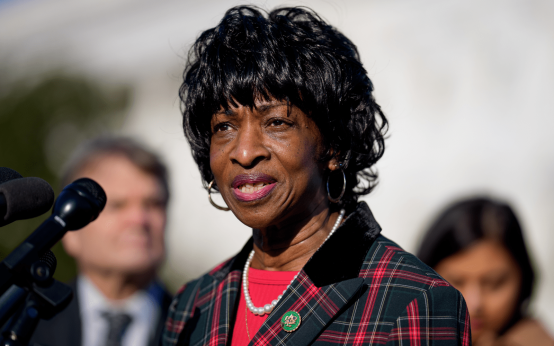 Representative Valerie Foushee Introduces Tariff Rebate Bill
 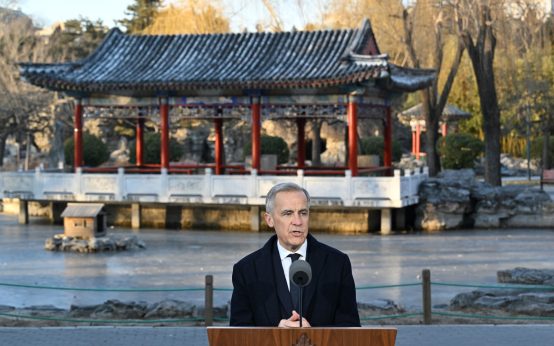 Canada’s Tariff Reduction on Chinese EVs Raises Security Concerns
  Hunter Shoots Woman Mistaken for Deer in Delaware