Introduction
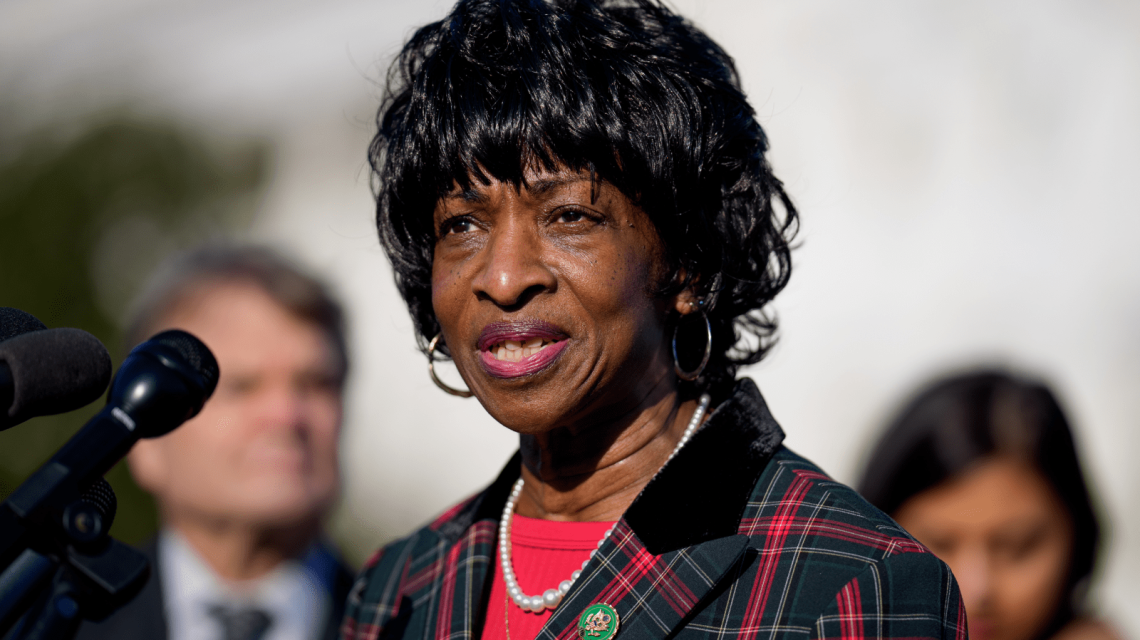
Representative Valerie Foushee, a Democrat from North Carolina, has introduced a legislative proposal aimed at providing financial relief to American families affected by tariffs. The bill proposes refundable tariff rebates of up to $4,000 for married couples, with additional payments for each dependent.
Impact of Tariffs
The proposal emerges amidst ongoing discussions about President Donald Trump’s tariff policies, which have significantly impacted household costs. Supporters of tariffs argue they encourage domestic investment, while critics claim the additional costs are transferred to consumers through higher prices.
Details of the American Tariff Rebate Act
Introduced on September 17, the American Tariff Rebate Act aims to amend the Internal Revenue Code to create a refundable tax credit for the 2026 tax year. Under the bill:
- Single filers would receive a $2,000 credit.
- Married couples filing jointly would receive $4,000.
- An additional $600 would be provided for each qualifying dependent.
The refundable nature of the credit means taxpayers could benefit even if they owe little or no federal income tax.
Eligibility Criteria
The legislation targets lower- and middle-income households by setting income limits, with the credit phasing out for adjusted gross incomes above:
- $75,000 for single filers.
- $112,500 for heads of household.
- $150,000 for married couples filing jointly.
Nonresident aliens, estates, trusts, and individuals claimed as dependents by others would not qualify. The bill also allows advance payments in 2026, enabling eligible families to receive funds before filing tax returns.
Support for the Rebates
Foushee’s office highlights data indicating that American families have absorbed over $231 billion in tariff-related costs, equating to an average of approximately $1,745 per household. While businesses have received refunds through court rulings, families facing higher prices have not secured similar relief.
Tariff Rebate Debate
Returning tariff revenue to Americans isn’t a new concept. In late 2025, President Trump suggested a ‘tariff dividend’ plan to return some tariff revenue to affected households, though such a proposal requires congressional approval.
Earlier in 2026, Representative Henry Cuellar presented similar legislation to offset rising consumer costs tied to tariffs with direct payments.
Outlook for the Bill
The bill currently faces challenges. Referred to the House Ways and Means Committee, it is in the early stages of the legislative process, needing committee approval, passage through Congress, and the president’s signature to become law.
Given these hurdles and considering the divided political landscape, rebates remain a proposal rather than guaranteed payments. As of now, no checks or tax credits have been authorized through this legislation.
 Markwayne Mullin Criticizes Democratic Border Policies
  Sen. Booker Responds to Questions on Democratic Party’s Stance
  Trump Bans CNN and Politico from White House
  Kevin Warsh Advocates for a Streamlined Federal Reserve Approach
  Trump’s Approval Rating Falls Below 30 Percent
  United Russia’s Dominant Election Result: Implications for Putin’s Ukraine Policy