An Illinois judge has deemed Corie Walsh too dangerous for pretrial release, following allegations that the Frankfort mother posed a threat to her husband and three surviving children after being charged with the murder of her 2-year-old son, Barrett.
However, forensic psychiatrists assert that ‘dangerousness’ is not a permanent designation. It is a forward-looking assessment that can evolve as an individual’s mental condition improves through treatment.
Walsh, aged 40, remains held without pretrial release after a Will County judge denied her request for release during a detention hearing earlier this month. In a separate order, the judge mandated immediate psychiatric medication for Walsh, following reports from her attorneys that she had missed days of treatment despite hospital recommendations for continuous psychiatric care.
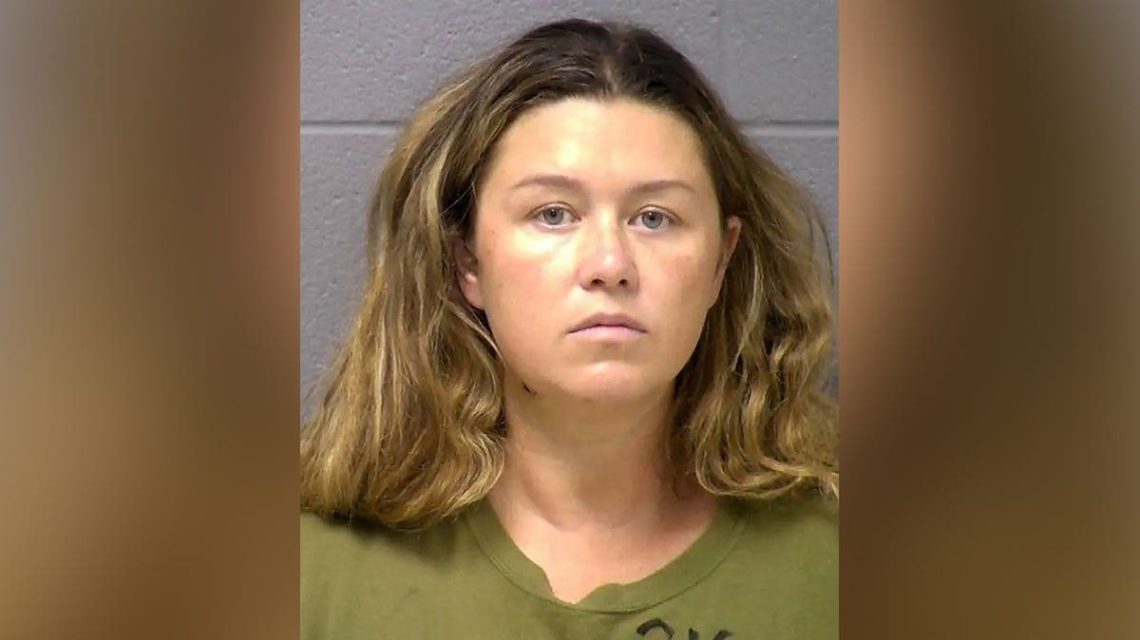
Corie A. Walsh, 38, in a booking photo provided by law enforcement. Prosecutors are asking a judge to deny her pretrial release following the death of her 2-year-old son. (Will County Detention Facility)
Prosecutors argued that Walsh should remain incarcerated due to threats she allegedly made to kill her husband following her arrest, beyond the charges related to Barrett’s death. The judge concurred, finding Walsh to be too dangerous to release before trial.
What Determines ‘Dangerousness’?
The ruling has prompted broader discussions on what it truly means when a judge labels someone as too dangerous for release. According to Illinois law, judges assess a defendant’s current threat to others rather than penalizing past conduct. Dr. Stephen Dinwiddie, a professor of psychiatry at Northwestern University with extensive forensic psychiatry experience, explained that the evaluation of dangerousness is a forward-looking assessment rather than a permanent label.
Dinwiddie noted, “Obviously we’re talking more about what we’re afraid they’re going to do tomorrow.” He added, “Part of that prediction is based on what they did yesterday … what they did in the past … and what they have said they intend to do.”
Unlike criminal verdicts that review past actions, evaluations of dangerousness consider future risks. Dinwiddie acknowledged “It’s pretty squishy,” questioning, “Dangerous to whom? Imminently or long-term? Dangerous in a physical way or something else?”
In civil commitment proceedings, judges often decide whether a person should receive treatment against their objections due to presenting a short-term danger to themselves or others. Dinwiddie explained, “If we don’t act, something bad is going to happen within a matter of days, if not sooner.” Treatment can significantly alter how psychiatrists assess future risks, and circumstances may lead to reconsidering detention if material changes occur.
Legal Implications
The judicial determination does not mean Walsh will be released before trial; it reflects that the finding of dangerousness is not unchangeable. Dinwiddie believes interventions can prevent tragedies. He cautioned that psychosis alone does not equate to dangerousness.
Dr. Dinwiddie addressed misconceptions about individuals experiencing psychosis, noting, “The tragic fact is they are like us, and severe mental illness can affect family members—it can affect anybody.” He highlighted that people undergoing psychosis can exhibit logical behavior within their delusional system. He described this as “rationality within irrationality.”
Dinwiddie emphasized that psychosis is not a choice, stating, “The fact that somebody has evidence of a psychotic process … that is not a matter of choice. Nobody would wish that upon themselves.”
Walsh faces three counts of first-degree murder. Prosecutors claim she believed her toddler was the devil and threatened her husband and their three surviving children post-arrest. Walsh has not entered a plea, and the case remains ongoing.
Reporter Greg Wehner covers U.S. news and crime for Fox News Digital, focusing on breaking stories related to law enforcement, public safety, and major developments affecting communities nationwide.