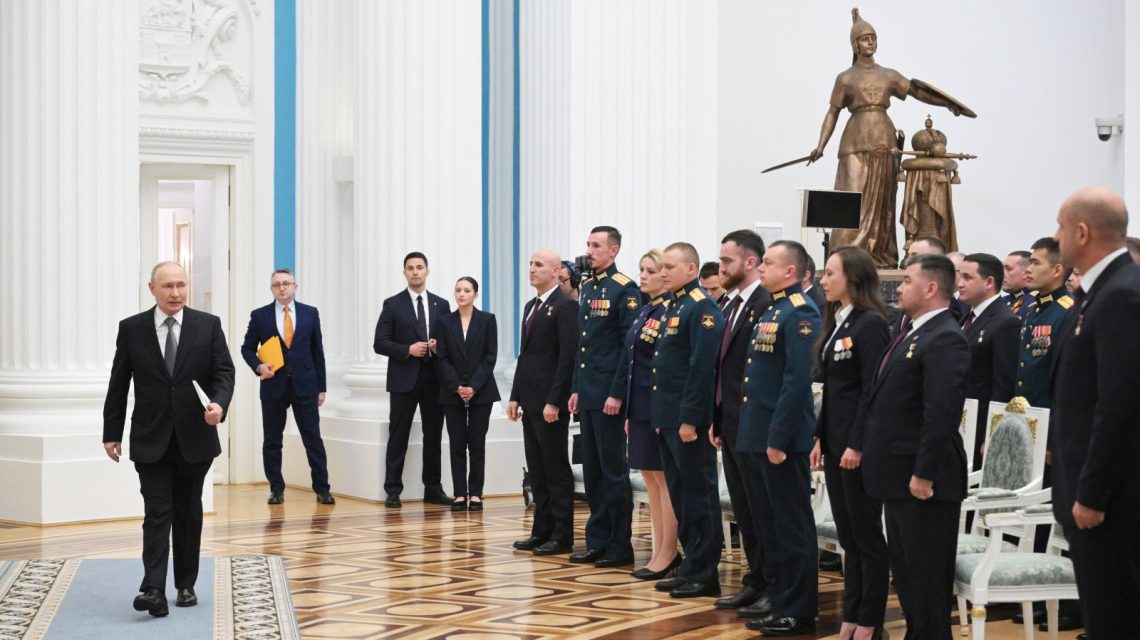
Russian Elections Amid Ukraine Conflict
Russians are voting to elect a new parliament, marking the first such elections since President Vladimir Putin initiated military aggression in Ukraine. This shift, five years after the last State Duma elections, has deeply impacted Russia’s social structure. The focus has turned toward supporting the military, despite public opinion. Putin is intent on establishing a government aligned with wartime interests.
More than 180 candidates linked to the military operation, known as SVO, are participating in this election. This is intentional; Putin advocates for war veterans to occupy key leadership positions. Programs have been created to facilitate the transition of veterans into political and corporate roles.
Shaping Russia’s Political Landscape
The inclusion of war veterans self-servingly consolidates support for the ongoing military operations, legitimizing the SVO in the process. As society adapts to increased veteran presence, the act also holds the potential to unify Russia around the military.
Speculation about veterans disengaging from directives hints at future political challenges.
Expected Dominance of United Russia
Putin’s United Russia is anticipated to secure a win, as opposition parties like Yabloko face exclusion from ballots. Evidence suggests United Russia will comfortably achieve the number of seats needed to maintain control.
While public backing for military actions in Ukraine appeared strong, research unveils layers of dissatisfaction. Despite agreeing with war motives, citizens are concerned about economic impacts. Three-quarters believe the war damages Russia’s economy, with many advocating for redirection of funds to healthcare and education.
Creating a Political Class
A shift in focus welcomes a new era where veterans are key political players. ‘Time of Heroes,’ launched in 2024, accelerates veterans into influential roles. The trend is evident as countless military participants contest various political positions.
Vladislav Golovin, an emblematic candidate and former marine commander, symbolizes this transformation. Now involved with Yunarmiya—a youth military movement—Golovin exemplifies the fusion of military with governance.
Sociopolitical legitimacy of such individuals becomes invaluable as veterans reintegrate, their service honored.
Discontent Among Veterans
Some candidates express criticism of military operations, challenging United Russia’s practices and wealth disparity. Their questions revolve around fairness and shared sacrifice.
Concerns rise as veterans navigate political terrain while dealing with economic pressures.
Risk Management and Political Order
United Russia and Putin’s administration review potential risks linked to the growing veteran presence. Proposals for dedicated veteran committees were dismissed due to concerns about division.
Despite potential challenges, unity is preserved through Putin’s influence. Political consultant Alexei Chesnakov warns against creating separate veteran blocs.
Political journalist Farida Rustamova argues Kremlin power remains intact, with veterans serving propaganda purposes without harnessing independent authority.
Future Challenges Await
Although the Kremlin succeeded in shaping a veteran-heavy parliament, the broader test lies in addressing the expectations of returning soldiers amid ongoing expectations for sacrifice.
 Federal Appeals Court Decision Against Trump’s ‘Third-Country’ Deportation Policy
 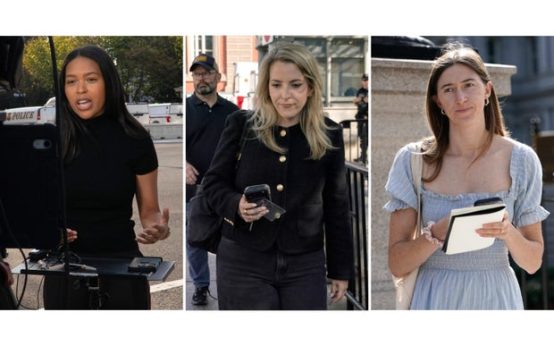 President Trump’s Controversial Ban on Media Outlets Sparks Press Freedom Concerns
 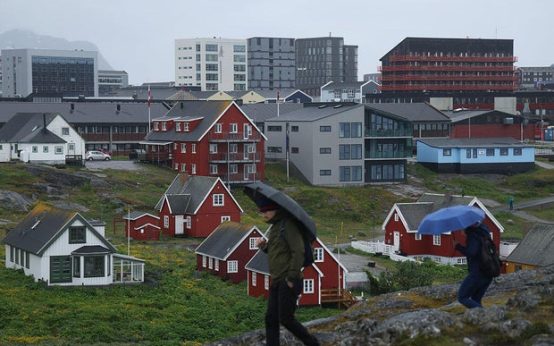 U.S. Security Agreement in Greenland Sparks Optimism and Concerns
  Cook County’s Property Tax Bridge Loans
  A Controversial Stance on Immigration Policies Sparks Debate in South Carolina
  Trump Administration Challenges In-State Tuition for Undocumented Students