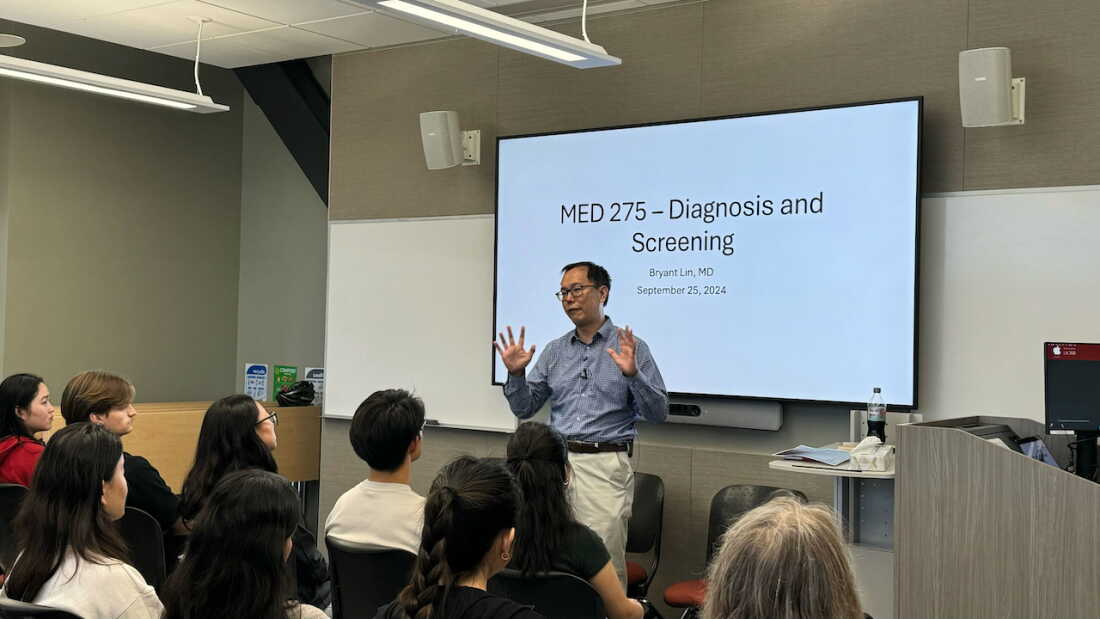
Professor Lin’s Experience
Dr. Bryant Lin, a Stanford medical professor, ventured into teaching a lung cancer class in Fall 2024. Initially eager but apprehensive, Lin shared his personal story with his students.
Lin founded the Center for Asian Health Research and Education at Stanford, focusing on improved lung cancer screening. Ironically, he was diagnosed with Stage IV lung cancer, the same illness he tirelessly campaigned against. As a non-smoker, Lin saw himself as fortunate and hopeful about the future of lung cancer treatments. His optimism stems from advancements in personalized therapies that aim to evolve lung cancer from a fatal disease to a manageable chronic condition.
Advancements in Lung Cancer Treatment
The survival rate for lung cancer has significantly improved in recent decades. Although the five-year survival stands at roughly 30%, localized cancers show a higher survival rate of 67% between 2015 and 2021. The genetic diversity of lung cancers complicates treatment, but genetic testing now allows for identification of mutations, paving the way for targeted treatments.
“We can pick a drug that’s been developed for that type of cancer.” – Dr. Jonathan Goldman
Targeted therapies not only manage tumor growth but also minimize collateral damage, resulting in more tolerable side effects. With advancements in genetic subtype targeting, survival rates have extended from under one year to several, occasionally many years.
Comprehensive genomic testing is becoming accessible, yet underutilization persists due to its absence as a standard care protocol. This gap highlights the need for broader implementation of scientific discoveries in clinical practice.
Professor Lin’s Treatment Journey
Lin began his treatment with Tagrisso, a drug approved by the FDA for use alongside chemotherapy. Despite his expertise, Lin faced significant obstacles with insurance coverage for these high-cost treatments, reflecting broader access challenges patients encounter.
Initially impactful, Lin’s targeted therapy ceased working, but subsequent FDA-approved treatments provided alternatives. New therapies, including antibody and mutation-specific drugs, have enabled Lin to maintain life quality, allowing him to teach and participate in activities such as advising the Susan Wojcicki Foundation.
The Broader Impact of Targeted Treatments
Beyond lung cancer, these advancements extend to other cancers like pancreatic cancer, leveraging genetic parallels to develop innovative treatment approaches, such as mRNA vaccines.
Lin advocates for enhanced screening, with AI imaging and advanced blood tests presenting promising avenues for detecting lung cancer in its nascent stages. His ongoing balancing act between treatments underscores the commitment to new therapies. Maintaining both optimism and realism, Lin remains hopeful.
Life Beyond Illness
Despite setbacks, Lin continues to engage in personal pursuits and family activities. His belief in living with humor and joy persists, underlined by moments like typing on a Smith Corona manual typewriter alongside his family.
“Life, he insists, still needs to be lived with a bit of silliness.”
 Shepherd Night Schools in Lesotho Provide Vital Education
  The Impact of Private Equity on Hospital Operations
  Microplastics in the Great Lakes: A Growing Concern
  Candy Thompson’s Journey Back to Christianity
  Federal Proposal Affects 7-OH Sales in Illinois Amid Rising Concerns
  Heidi Overton’s FDA Hearing on Vaccines and Abortion Pills