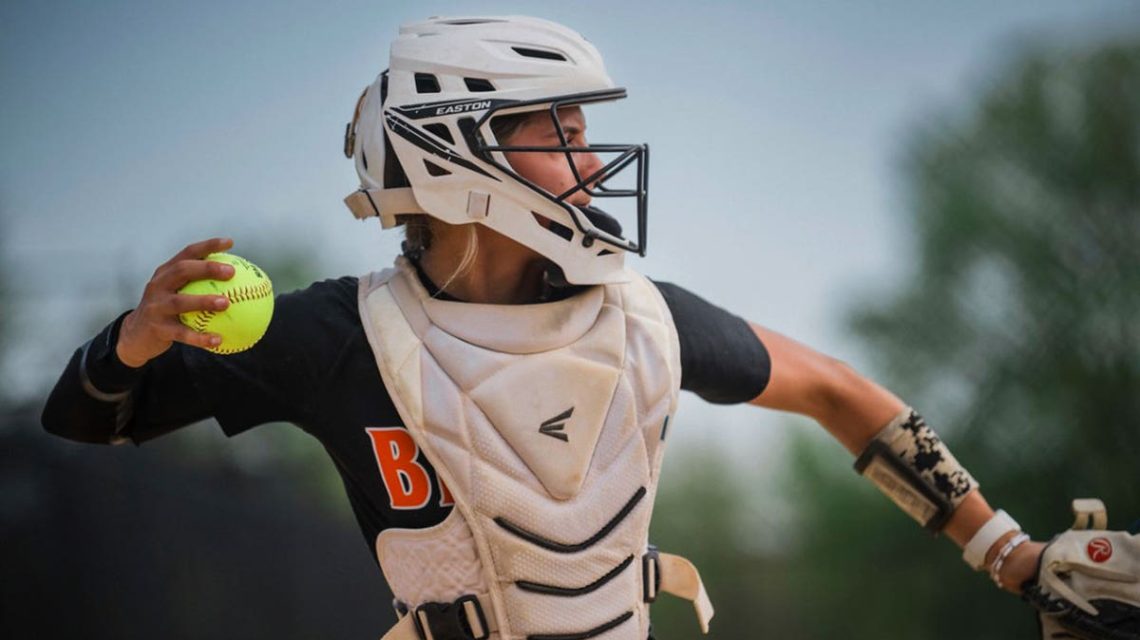
NCAA softball player Kendall Kotzmacher and high school volleyball player Briley Lechner shared their experiences competing against transgender athletes during a public hearing. They expressed concerns about competitive fairness, locker room privacy, and the impact on girls’ and women’s sports.
Kotzmacher recounted a key moment in her sports career. As a senior, she competed in the Minnesota state softball tournament aiming to play alongside her younger sister. Her team advanced through the tournament but lost in the semifinals to a team allowed to field a male athlete. This athlete’s team went on to win the girls’ high school state championship.
Her emotional response wasn’t solely because of the loss. Kotzmacher struggled with how adults in positions of authority allowed a situation like this to arise. She learned that the athlete’s legal documents were altered to reflect the opposite sex. The realization that administrators and policymakers enabled such outcomes left her feeling abandoned.
Beyond her own team, Kotzmacher stressed the broader implications for girls’ sports. Every roster spot and championship opportunity is crucial for elite athletes. She argued that having male athletes participate in girls’ events affects all players in the competition.
Following this experience, Kotzmacher spoke at a Senate Judiciary Committee hearing in Washington, D.C., addressing fairness and safety for female athletes. Her journey to this point involved facing isolation and criticism. Despite joining Western Michigan University for Division I softball, she encountered pressure to remain silent.
Kotzmacher remained determined that girls should not lose spots or playing time to male competitors, emphasizing the importance of equal opportunity. She detailed an instance in an introductory sociology class, where her views on sex and gender led to a zero grade. She was told to remove bias from her work, but she refused to accept what she believed was untrue.
The lack of support led to her transfer to Colorado Christian University, where she found encouragement to speak out. As a sophomore now, Kotzmacher reflects on her past and thinks about the future for girls in sports. She wants the next generation to understand they don’t have to be pushed aside.
The determination to advocate for women’s sports remains strong. Kotzmacher insists that while past events cannot be changed, awareness and action can protect future athletes.
 Leigh Steinberg Warns of Quarterback Injuries Impacting NFL Teams
 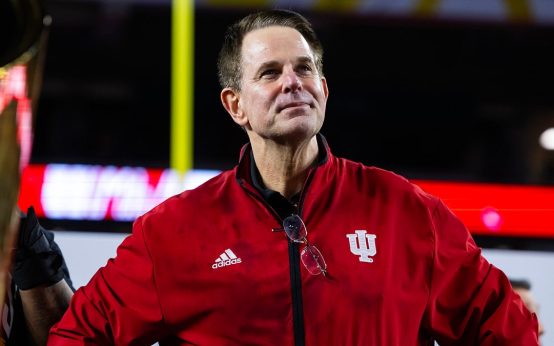 Indiana Narrowly Defeats Northwestern in Big Ten Opener
  Toddler’s Unusual Bedtime Request Helps Him Sleep
 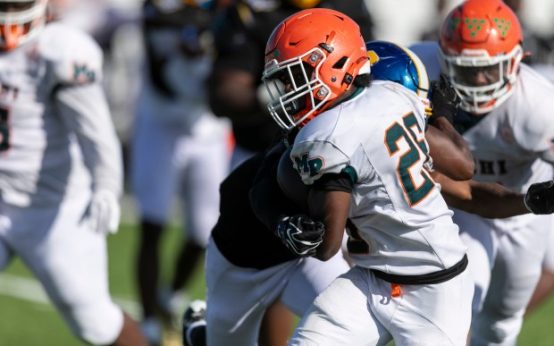 Morgan Park’s Jonsean Young Returns Strong After Injury
 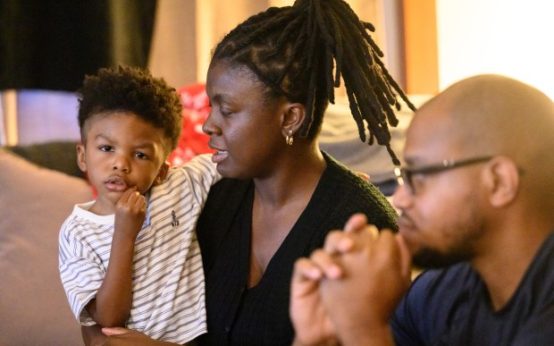 Living with Sickle Cell: The Glover Family’s Journey
  Baseball’s Iconic Rivalry Returns for 2026 Wild Card Series