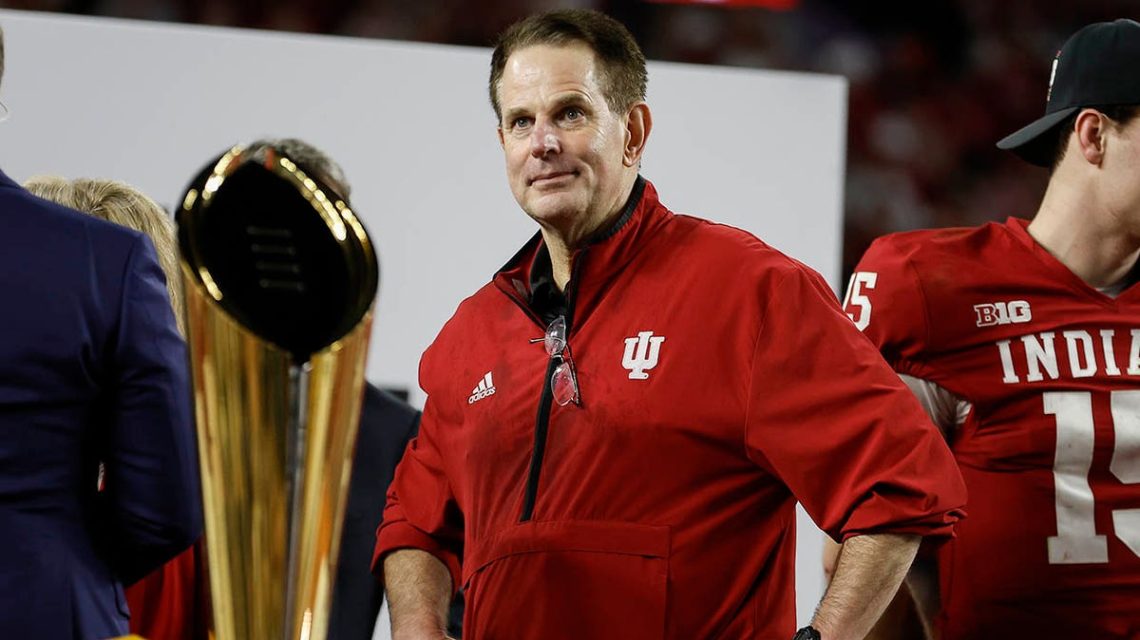
The College Football Playoff selection committee faces a challenging task. Deciding which teams participate in the playoffs involves balancing various interests. The selection has become a critical factor in defining a program’s success or failure for the season. Coaching decisions often hinge on playoff participation, while conferences argue for inclusion based on their teams’ performances.
Currently, 12 college football teams qualify for the playoffs. This exclusivity means there’s always a team that feels excluded, like the 13th best team or a prominent school missing in favor of another. Some conferences push for more representation. Meanwhile, teams from smaller conferences lobby for recognition despite facing weaker schedules compared to top-tier teams.
The committee’s decisions inevitably spark debate and dissatisfaction. These decisions rely on human judgment, which can be prone to mistakes and biases. The lack of clarity in the committee’s decision-making process adds to the frustration.
Committee members have mentioned using factors like strength of schedule and resume in their evaluations. However, there’s limited insight into how these are assessed. Are metrics based on wins against ranked teams, subjective evaluations, or advanced analytics? The specifics remain uncertain.
Recently, a new metric was introduced: strength of conference. This aims to differentiate teams in the same league and across different leagues with similar records. According to ESPN’s Heather Dinich, this metric assesses conference strength based on the schedule of each team. It intends to provide clarity in separating teams with comparable records based on their league’s competitive level.
Questions arise about the basis for claiming one conference’s opponents are stronger. Is it through their win-loss record, ranked team appearances, eye tests, or analytical tools? The transparency in these metrics and methods used by the committee remains an area of concern.
Many fans rely on wins, losses, and head-to-head matchups as indicators of performance. Others favor ranked wins, although rankings can be deceptive depending on timing. Analytics provide a more objective viewpoint, potentially less biased towards specific teams or conferences.
The preference should be towards objective evaluations, combining data to identify the most deserving teams. This could limit bias and the influence of subjective polls. Whether this approach will be adopted and effective remains to be seen.
The coming months will reveal decisions and the ensuing discussions about them.
 Case Keenum Leads Bears to Victory Over Eagles
  College Sports: The Debate on the Protect College Sports Act
  LeBron James Joins 76ers: New Chapter Begins
  Chicago White Sox Embrace Underdog Role Against Houston Astros
  Senate Passes the Protect College Sports Act
  ASU Investigates Hockey Team Workout Incident