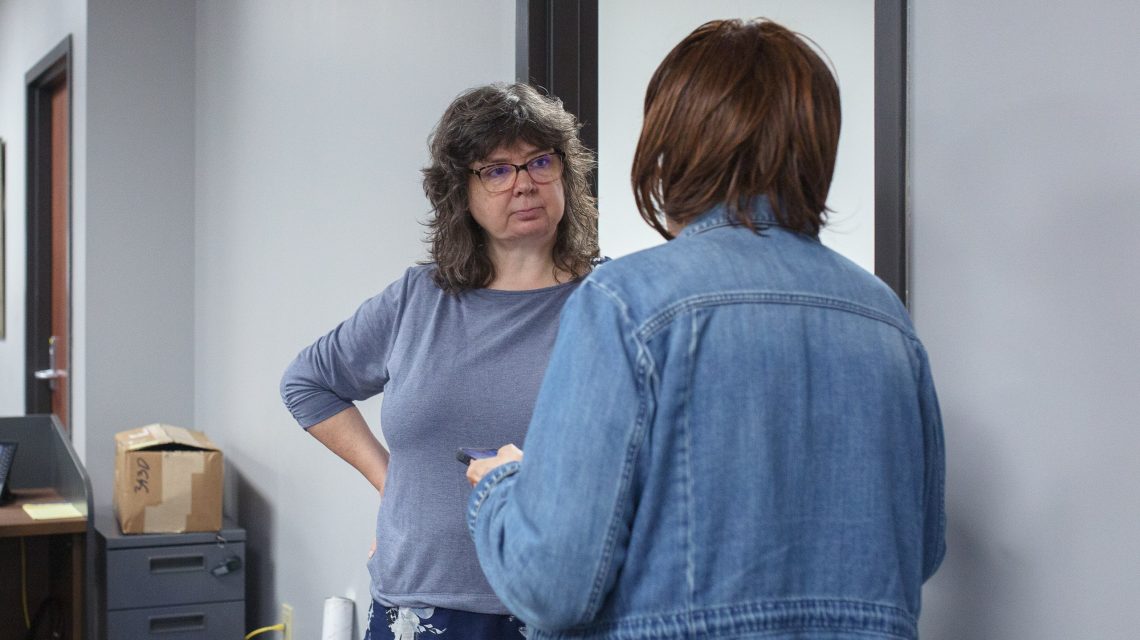
Amy Miller, an attorney for Disability Rights Nebraska, plays a crucial role in helping elderly and disabled individuals vote. She travels across the state to inspect nursing homes and assisted living facilities, reminding residents how to report abuse or neglect while also offering voter registration forms. Recently, she assisted a veteran with a traumatic brain injury to complete change-of-address paperwork, enabling him to vote in the midterm elections. ‘He knew exactly who he wanted to vote for,’ Miller said, highlighting the challenges some face with tasks as simple as writing.
Disability Rights Nebraska operates with federal support, ensuring even those without internet or transportation can participate in elections. However, a White House proposal threatens this mission. The Office of Management and Budget (OMB), led by Russell Vought, aims to change funding rules, barring the use of federal grants for voter registration or related activities. Vought has a history of opposing taxpayer money for voter registration and has redirected federal funding contrary to Congress’ directives.
Miller, with six years at her nonprofit, has not encountered such regulatory challenges before. ‘Making voting more difficult for these Americans is bewildering,’ she said. This proposal aligns with initiatives limiting voting access among historically marginalized groups. President Donald Trump’s SAVE America Act demands documentation for voter registration, potentially ending registration drives. A ban now blocks nongovernmental organizations from conducting drives at naturalization ceremonies, lifted temporarily amid legal disputes.
The Department of Education informed colleges they cannot use federal work-study funds for voting activities, a directive under contest. Previously, such funds supported students conducting voter registration on campuses. Trump’s second term saw the rollback of a Biden order, which expanded registration opportunities, addressing barriers for Black and disabled citizens.
Vought’s proposal, effective post-2026 midterms, could impact the presidential election and voting accessibility. Nonprofits like Disability Rights Nebraska, required by law to provide registration forms, face contradictory directives if the ban is finalized. Without clarity, nonprofits may pause or limit registration efforts before the 2028 election, affecting college students as well.
Stanford law professor Rabia Belt worries about the impact on voters with disabilities. Congress addressed voting challenges for disabled people through the 2002 Help America Vote Act, upgrading voting systems and security post-2000 election controversies. The Act provided grants for accessible registration and voting, funded $10 million annually, reaching all U.S. regions. Despite this, challenges remain, as shown in a 2024 Rutgers survey highlighting registration difficulties among voters with disabilities.
The OMB proposal is under review; legal challenges are expected, focusing on its contradiction with existing laws. Samuel Bagenstos, a former OMB general counsel, emphasizes Congress’ budgetary role and federal fund allocation guidance. Vought’s actions shift power towards the White House, impacting nonprofits and people they assist.
Disability Rights Nebraska received $141,000 for voter accessibility this year and opposed the proposed rule. Their letter emphasized their nonpartisan mission as crucial for disabled Nebraskans’ voting access. Nonprofits like Disability Rights Nebraska are essential in smaller communities where access to polling is limited.
Miller visits nursing homes and assisted living facilities to offer voter registration opportunities. Many residents are isolated, lacking access to basic amenities. In one instance, she visited a rural facility where no prior registration support was offered. Her work illustrates the importance of providing these services. Miller hopes policymakers could see firsthand the impact of realizing voting rights for these individuals.
 Investigation Continues After the Deaths of Naseem Stevens and Rapper BloodHound Q50
  Renowned Journalist Jodie T. Allen Passes Away at 88
  Exploring Architecture Passion: Marie Olmos’s Journey with Frank Lloyd Wright Trust
 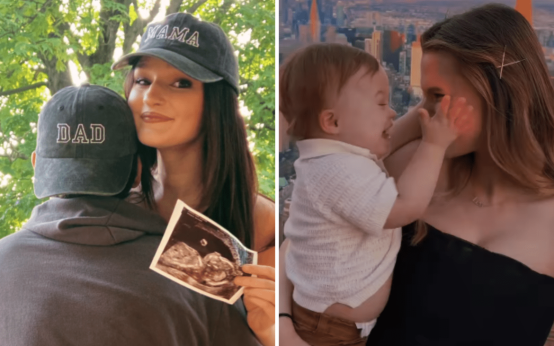 A Mother’s Journey: Raising a Son with Down Syndrome
 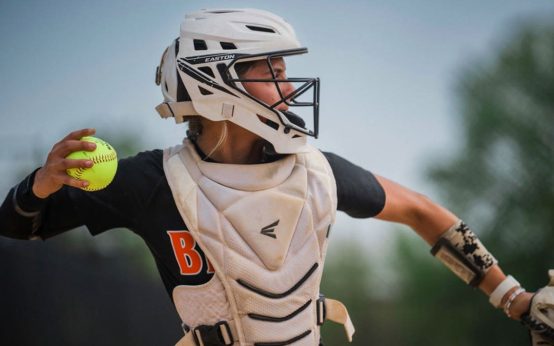 Female Athletes Discuss Competing Against Transgender Athletes
 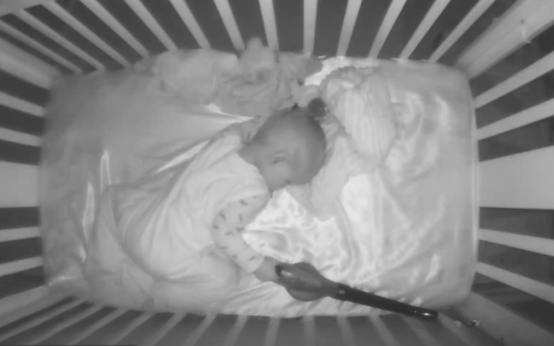 Toddler’s Unusual Bedtime Request Helps Him Sleep