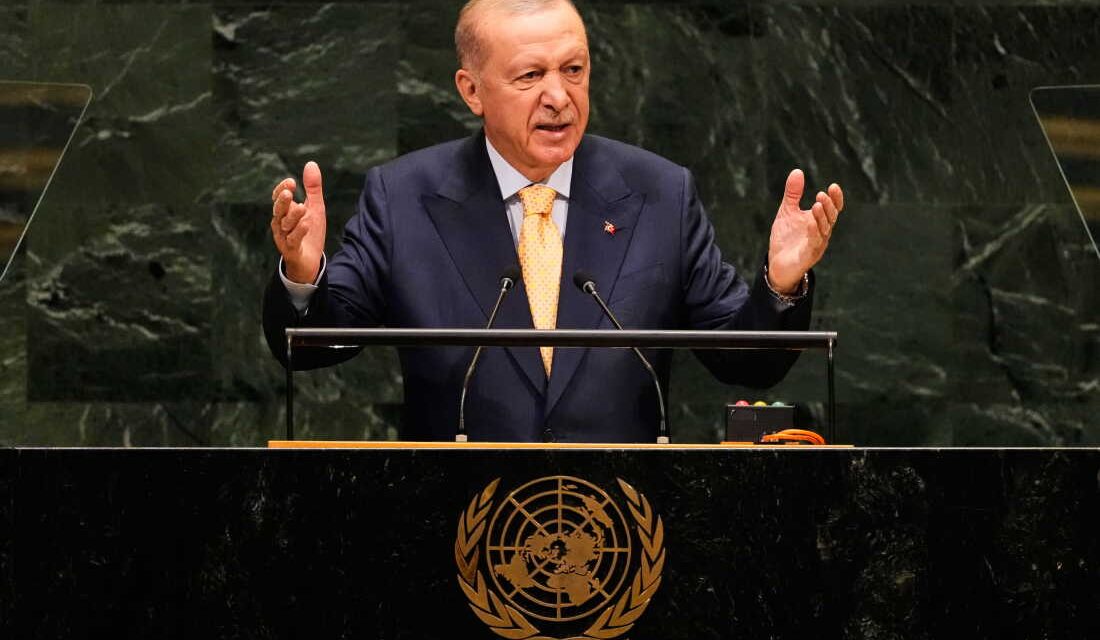
Turkey’s Expanding Influence
Turkey is positioning itself as a key player in the Middle East. This comes after leaders from Saudi Arabia, Turkey, and Pakistan signed the Mecca Joint Defense Agreement on August 7.
This agreement combines Saudi Arabia’s oil wealth, Turkey’s defense capabilities, and Pakistan’s nuclear prowess. It also includes a NATO-style Article 5 clause, pledging mutual defense and intelligence sharing among the trio.
The agreement is seen as a cornerstone of regional security amid uncertainties following the U.S. geopolitical shift.
The Role of Turkey
The Turkish Foreign Minister, Hakan Fidan, highlights Turkey’s central role in the talks leading to the agreement. Analysts suggest Ankara is keen to redefine its role in the region, aiming to emerge as a central player.
Turkey’s defense capabilities are expanding with military bases in Somalia, Qatar, Libya, and involvement in post-war Syria. Through cultural influence and humanitarian projects, Turkey is strengthening its regional presence.
Turkey mediates in global conflicts like Ukraine and Iran, seeking to assert its influence during regional upheavals, notably after the Hamas-led attack on Israel in 2023.
Challenges and Opportunities
Turkey faces challenges, including economic struggles marked by high inflation and a weak currency. Meanwhile, Turkey’s ambition for regional dominance encounters resistance from Israel.
According to Asli Aydintasbas of the Brookings Institution, Turkey’s ambitions exceed its economic capacity, yet it remains strategically significant.
Turkey aims to protect its interests without striving for a neo-Ottoman empire. It anticipates a post-U.S. phase where its influence could grow as U.S. presence declines.
Regional Dynamics
The collapse of Syria’s regime in 2024 saw Turkey secure major reconstruction contracts, enhancing its role there, in contrast to Israel’s regional objectives.
In August, Israel launched an airstrike in northern Syria, targeting a site suspected of imminent Turkish deployment. Both Turkey and Syria denied troop movements, and U.S. officials criticized the escalation.
Turkey-Israel Relations
Turkey has maintained a complex relationship with Israel, being the first Muslim-majority nation to recognize Israel in 1949.
Despite recent tensions, both nations contemplate strategic interests, albeit through a zero-sum perspective. Israeli officials view Turkey’s stance in the Middle East as challenging.
Personal ties between leaders, such as President Trump and Erdogan, could mitigate confrontations. Aydintasbas argues for U.S. intervention to rebuild Turkey-Israel relations to stabilize the region.
Looking Ahead
The future of Turkey’s strategy will depend heavily on leadership dynamics beyond Erdogan and Netanyahu. The decision-making of these leaders shapes the course of regional developments.
Turkey’s path in filling the regional security void is cautious yet determined. Economic constraints and political complexities present hurdles, but Turkey remains a pivotal force in a region recovering from war.
 Trump Announces $15 Billion Iowa Steel Mill Investment
  Concerns Arise Over Rodrigues-Birkett in Race for UN Secretary-General
  Abdul El-Sayed’s Health-Focused Campaign in Michigan
  Plaintiffs Challenge Identity Representation in Kansas
  Trump’s Impact on Washington’s Landscape in His Second Term
  Washington’s Intense Focus on AI: Balancing Risks and Opportunities