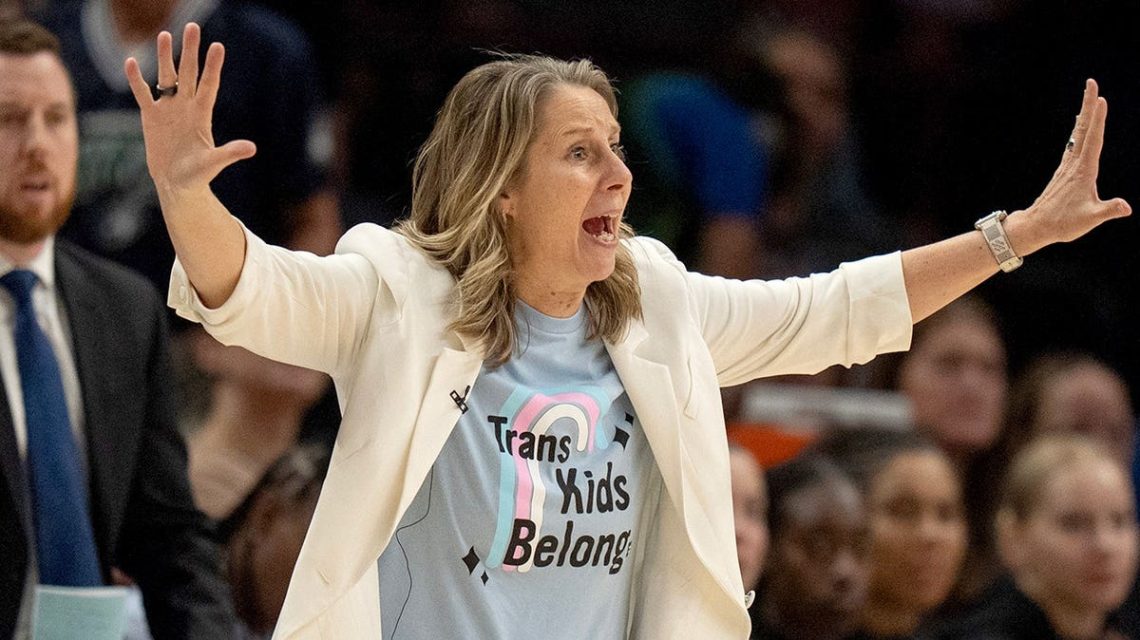
Cheryl Reeve secured her fifth WNBA Coach of the Year award. She received 40 of 74 votes from sportswriters and broadcasters across the nation. Her team, the Minnesota Lynx, boasted the league’s top record at 33-11, demonstrating her basketball expertise.
Reeve’s political views, advocating for males in women’s sports, have prompted criticism. Her stance aligns with a left-wing trend seen within the women’s basketball media.
Reeve asserts that critics are motivated by hostility toward transgender individuals.
Reeve’s award reignites debates on athletic inclusion. It raises questions about the award voting process, especially its intersection with progressive activism.
Her Coach of the Year successes did not solely stem from leading the top team. In prior seasons, like 2025, Minnesota finished with a better record without Reeve winning. This season’s win may result from factors like assistance amid player injuries and favorable draft outcomes.
Golden State coach Natalie Nakase placed second in 2026 voting. Like Reeve, Nakase supports inclusivity for transgender athletes.
Nakase stated, “I’m all about women, little girls deserving to play, and that includes trans women. So I’m all about inclusivity.” Such sentiments prompt counterarguments emphasizing the protection of female sports categories.
Reeve openly reacted to criticism over advocating for transgender rights. Her remarks suggested opponents want to erase transgender people, though dissent here typically concerns sports participation and locker room access.
Adopting emotionally charged rhetoric might overshadow deliberations on gender boundaries in sports.
Reeve remarked on the positive feedback from families of transgender individuals. She expressed pride in using her position to inspire the community.
Reeve highlights, “… it’s something I believe in obviously wholeheartedly and so if I could have helped just one to feel differently about themselves…”
Her advocacy intertwines with substantial debates about gender identity and suicide rates. Riley Gaines, a pro-woman advocate, accuses warning against speaking out about suicide as emotional manipulation.
Research questions the effectiveness of gender-affirming care. A 2025 review indicated uncertain psychological outcomes from puberty blockers. Similarly, studies observed persistent psychiatric needs post-transition, challenging the narrative of vast mental health benefits.
Reeve’s claims based on compassion may shift focus from scientific evidence and the legitimacy of concerns raised by opponents in the gender debate.
Accusations against parents desiring female-exclusive locker rooms might stifle constructive dialogue. Reeve’s portrayal of critics as existential threats positions discussions in a divisive framework, where loving advocacy can overshadow rational discourse.
Ultimately, Reeve has the right to her beliefs but cannot dismiss opponents as inherently hateful. Her recognition underscores the existing divide between sports politics and traditional athletic practices.
 Ted Cruz Leads College Athletics Regulation Overhaul
  Sydney Sweeney Sparks Controversy in Sports Commercial
  Matt Russo’s Key Role at Naperville Central
  Chicago Bears Secure Victory Over Philadelphia Eagles
  Wrestling Community Mourns the Loss of Pac
  WWE ‘Monday Night Raw’ Thrills Milwaukee With Intense Showdown