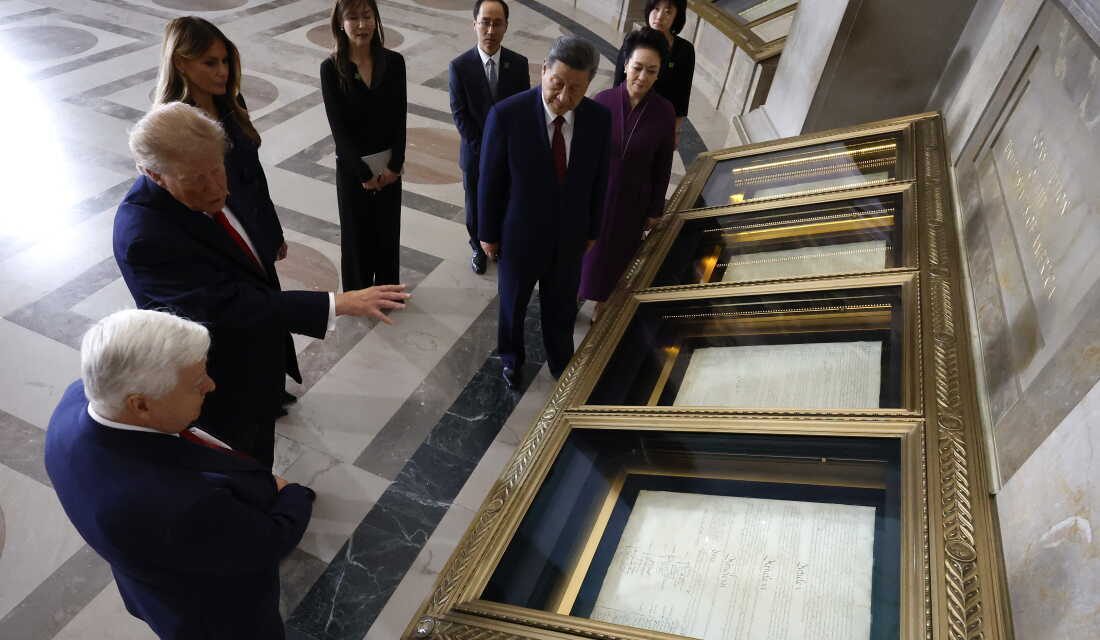
The National Archives Museum in Washington, D.C., hosted U.S. President Donald Trump and China’s leader Xi Jinping on September 25, 2026. They were accompanied by First Lady Melania Trump and China’s First Lady Peng Liyuan. This meeting occurred amid significant diplomatic considerations.
The museum had prepared a special display featuring a brick from the Great Wall of China and an ornate 19th-century scroll from a Qing emperor. However, this display was removed due to a last-minute change, as per an anonymous Chinese diplomat. The change arose from Chinese objections to the planned inclusion of the 1951 Treaty of San Francisco.
The U.S. and Japan signed the treaty, but not China, leading to Beijing’s displeasure.
This treaty ended World War II hostilities between Japan and the Allied Powers. It does not resolve Taiwan’s status, a contentious issue for China, which was not a signatory. Ryan Hass, a Taiwan and China expert at Brookings Institution, emphasized the sensitivity of Taiwan’s political status left undetermined by the treaty.
Despite these tensions, an administration official noted that Trump and Xi reviewed crucial historical documents significant to the U.S.’ enduring legacy. The meeting allowed both leaders to discuss historical contexts, contributing to a fruitful state interaction.
The visit underscored Taiwan’s delicate place in U.S.-China relations. Discussions around showcasing Taiwan-related documents, such as the Six Assurances and the Three Communiques, were considered but ultimately omitted.
Trump’s gesture reciprocated Xi Jinping’s earlier hospitality, demonstrated by cultural exchanges during Trump’s visit to Beijing. This symbolic exchange highlighted U.S. diplomatic constraints and fostered dialogue on longstanding bilateral issues.
The Chinese embassy discovered the document list on Thursday before the leaders’ arrival at the Archives. Chinese diplomats expressed uncertainty about the inclusion of the Treaty of San Francisco. The treaty’s text leaves Taiwan’s sovereignty open to interpretation, supporting Taiwanese leaders’ views on self-determination.
Recently, Beijing increased criticism of the treaty. Chinese diplomats privately requested other nations deem the treaty illegal, due to the absence of signatures from China or Taiwan. Instead, China points to the Cairo and Potsdam Declarations, which favored returning Japanese territories to China under the Republic of China, known as Taiwan today.
As Trump and Xi entered the Archives, all displays had been cleared. They reviewed key American historical documents, including the Declaration of Independence, Constitution, and Bill of Rights. Xi acknowledged the foundational spirit of America’s 250-year history, while Trump contrasted it with China’s ancient history.
 Zohran Mamdani’s Child Care Initiatives May Influence Other Leaders
  Ted Cruz Leads College Athletics Regulation Overhaul
 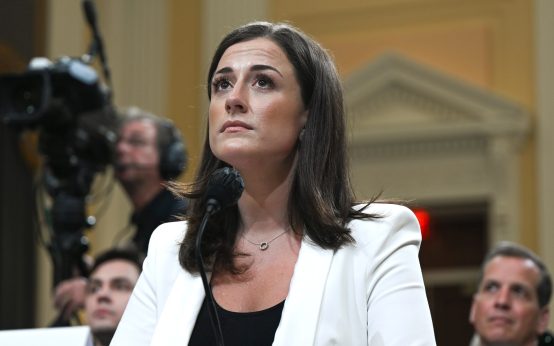 DOJ Investigates Former Trump Aide Amid Defamation Suit
 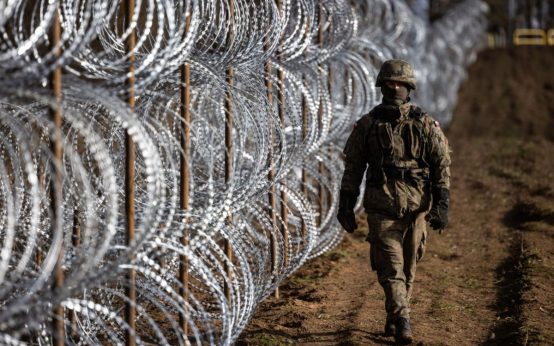 Escalating Tensions Between Russia and the UK
 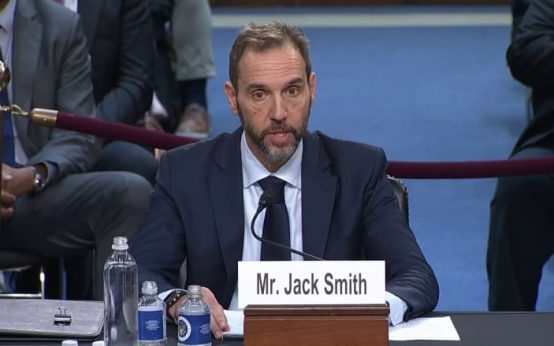 Key Developments from Today’s News
  Key Events in Politics and Technology: U.S. and U.K. Developments