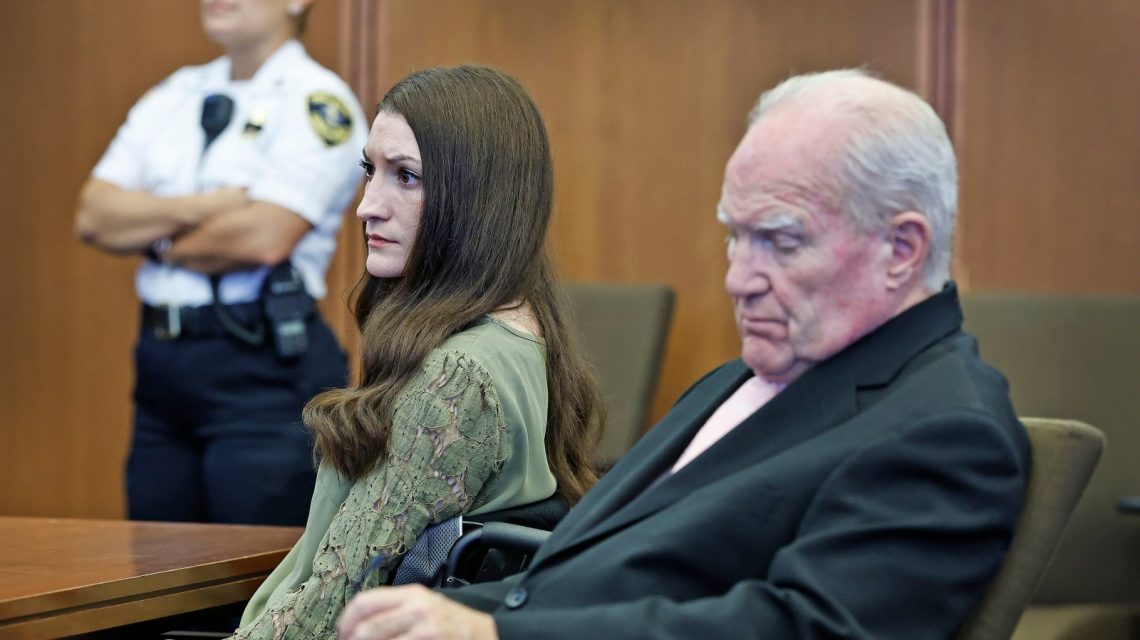
A Massachusetts judge has denied an attempt by Lindsay Clancy to have the murder charges against her dismissed. This decision allows prosecutors to pursue a retrial in the case involving the deaths of her three children.
Judge’s Ruling
On Thursday, Plymouth Superior Court Judge William F. Sullivan rejected a Rule 25 motion filed by the defense. This motion sought a finding of not guilty after September’s mistrial. Under state law, Rule 25 allows a judge to decide if prosecutors have enough evidence for a jury to convict.
Clancy’s lawyer, Kevin Reddington, argued that the prosecutors failed to prove that Clancy killed her children or was responsible for her actions. However, Judge Sullivan disagreed. He determined that enough evidence exists for a reasonable jury to find Clancy guilty.
“There was evidence introduced, both physical and circumstantial, that would permit a rational trier of fact to find beyond a reasonable doubt the elements of the charge of murder,” Sullivan wrote.
The decision does not determine guilt or innocence. It simply means the evidence was sufficient for a new jury to consider.
Prosecutors’ Victory
The ruling is a win for prosecutors, who argue that Clancy planned the killings of her children, Cora, 5, Dawson, 3, and Callan, 8 months. They allege these events occurred on January 24, 2023, when Clancy’s husband was out of the house.
Newsweek reached out to both the defense attorney, Reddington, and Plymouth County District Attorney Timothy J. Cruz for comments.
Judge’s Decision Details
According to the ruling, evidence showed Clancy was alone with her children during the period in question. Her husband, Patrick Clancy, testified about leaving to pick up food and medication. Upon his return, he found evidence of violence and discovered the children.
Medical examiners confirmed the children’s deaths were due to asphyxia, suggesting strangling with exercise bands.
The defense’s challenge to the state’s evidence of Clancy’s criminal responsibility was also rejected. Both sides agreed on her serious mental illness. However, the debate centered on whether it made her legally unaware of her actions or unable to follow the law.
Judge Sullivan highlighted testimony from three prosecution experts affirming Clancy’s understanding of her actions. Deciding between the experts’ conflicting views, he stated, is the jury’s task.
Next Steps
A hearing is set for November 2 to discuss unresolved issues. Clancy’s team is seeking to prevent a retrial on double jeopardy grounds. They also request a court inquiry into a holdout juror, Michael Desronvil.
Prosecutors have not decided on pursuing another trial. Options include a first-degree murder retrial, seeking lesser charges, or dropping the case. A retrial would need a new jury to decide on Clancy’s guilt or her mental state’s impact on her criminal responsibility.
 Case Dismissed Against David Hearn Over Lincoln Memorial Reflecting Pool Incident
  U.S. Supreme Court Clears Tennessee’s Path to Execute Christa Pike
  Details Emerge in Cornell University Alleged Gang Rape Lawsuit
 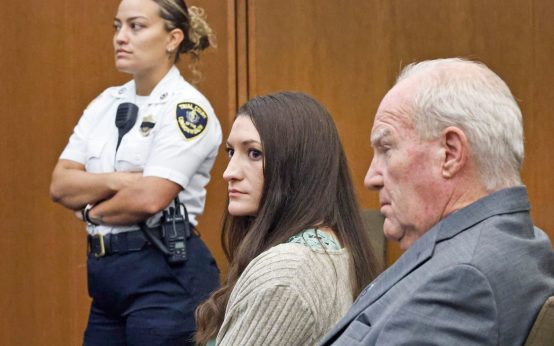 Lindsay Clancy’s Legal Battle Continues After Mistrial
  Execution of Christa Pike Sparks Protest and Legal Appeals
 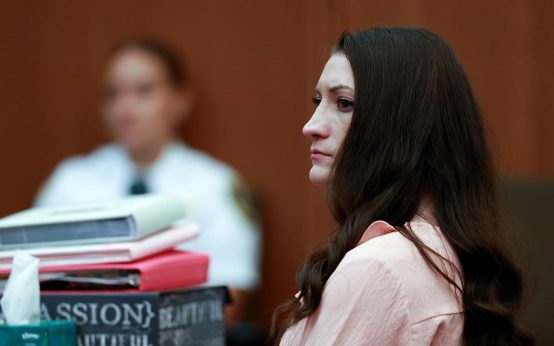 Lindsay Clancy Case Returns to Court Amid Legal Strategies and Juror Dispute