
In 2011, I joined scientists and engineers on a trek to Lake Imja in Nepal’s Everest region, reaching an altitude of about 17,000 feet. Reflecting on that journey from my home in Peru, I witnessed the devastating impact of permafrost weakened by warming in Rasuwa, northern Nepal, near the Tibetan border.
When glaciers retreat, they leave depressions behind. Meltwater from these glaciers fills these bowls, creating lakes that grow until the pressure becomes too immense or seismic activity occurs. Lake Imja, which didn’t exist when Sir Edmund Hillary conquered Everest in 1953, became the fastest-growing among approximately 1,600 glacier lakes in Nepal by 2011. During our visit, an artificial lake stretched downwards from the glacier, a mile and a half long, held precariously by debris. An earthquake or pressure on this makeshift dam could release water catastrophically, affecting vulnerable communities.
On August 26, a similar threat became a reality over Rasuwa. A large glacier chunk, comparable to a New York City building, broke away and plunged 4,000 feet, triggering a tsunami. The friction from the fall melted the ice, creating a destructive wave that collected snow, water, rocks, and debris as it surged down narrow valleys, devastating lives, communities, and infrastructure. Hurricane-force winds felled trees in its path.
I am currently safe, but the potential for this disaster exists in my country and other mountainous areas. Towers of ice and snow, destabilized by rapid warming, threaten havoc on vulnerable landscapes in various regions, including Peru. Following our expedition to Lake Imja, we realized the need to anticipate and prepare for such disasters. Implementing early warning systems with real-time sensors and satellite communications could provide alerts for sudden water releases, allowing downstream communities time to react. Risk mitigation also involves slowly reducing water levels in high-risk glacial lakes and engineering buildings for resilience.
Lake Imja shares similarities with conditions in Peru’s Huaraz Province, home to the Palcacocha glacial lake. In this part of the Andes, warming temperatures mirror those in Nepal. Approximately 100,000 people live below the lake, including communities and schools directly in the line of potential meltwater-triggered chain reactions akin to Nepal’s tragedy.
As the executive director of the Instituto Andino de Montaña in Peru, I worked to persuade the city of Huaraz to establish an early warning system. We succeeded after much effort. However, attempts to secure government action to lower the lake’s water level faced bureaucratic hurdles, misplaced priorities, and a fear of deterring tourism. Despite ongoing risks, financial support and commitment remain elusive. With the current El Niño event, our worst fears may soon be realized.
Grassroots Peruvians in the countryside lack trust in their government’s ability to protect them from known risks. Huaraz’s distance from Lima has made vulnerable communities feel overlooked. Federal officials try to shift responsibility to local and private entities, but no regional authority possesses the technical capacity for complex engineering tasks.
The United States, where I earned my Ph.D., is not immune to these issues. Melting glaciers have already caused floods and mudslides. Since 2011, the Mendenhall Glacier in Alaska’s Suicide Basin has seen annual glacial lake outburst floods. A similar event occurred in 2003 due to Wyoming’s rapidly retreating Grasshopper Glacier.
American communities face a quieter, yet insidious threat from toxic minerals and metals released into local water supplies by melting glaciers. These pollutants erode life differently than abrupt floods or landslides do.
If a significant disaster happens, whether in Peru or any U.S. region, official mourning will follow. Instead of waiting for such tragedy, let’s direct energy and empathy toward prevention and saving lives now.
Jorge Recharte Bullard, Ph.D., has led the Instituto Andino de Montaña, part of the Mountain Institute, as president since 2020. From 1997 to 2019, he directed the Andean program of The Mountain Institute.
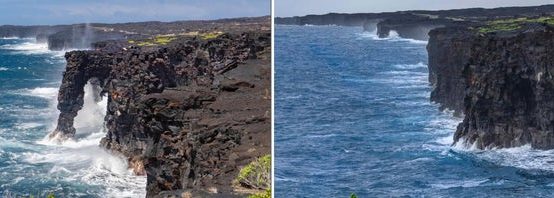 Collapse of Hawaii’s Holei Sea Arch Highlights Nature’s Impact
  Decrease in Atlantic Hurricanes: A 2026 Outlook
  Keurig Dr Pepper Introduces Eco-Friendly Coffee Pods to Cut Waste
  Drought Drives Bears Closer to Human Habitats
 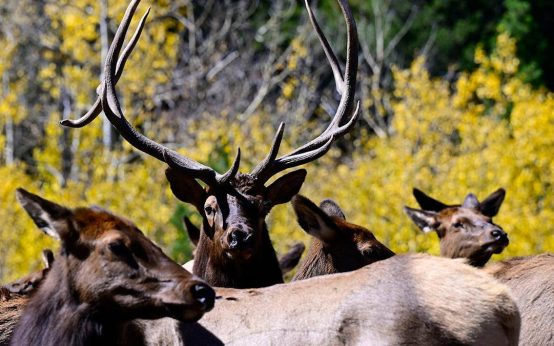 Viral Video Captures Elk Smashing Car Window in Colorado
  Unprecedented Quiet: September Ends Without Atlantic Hurricanes