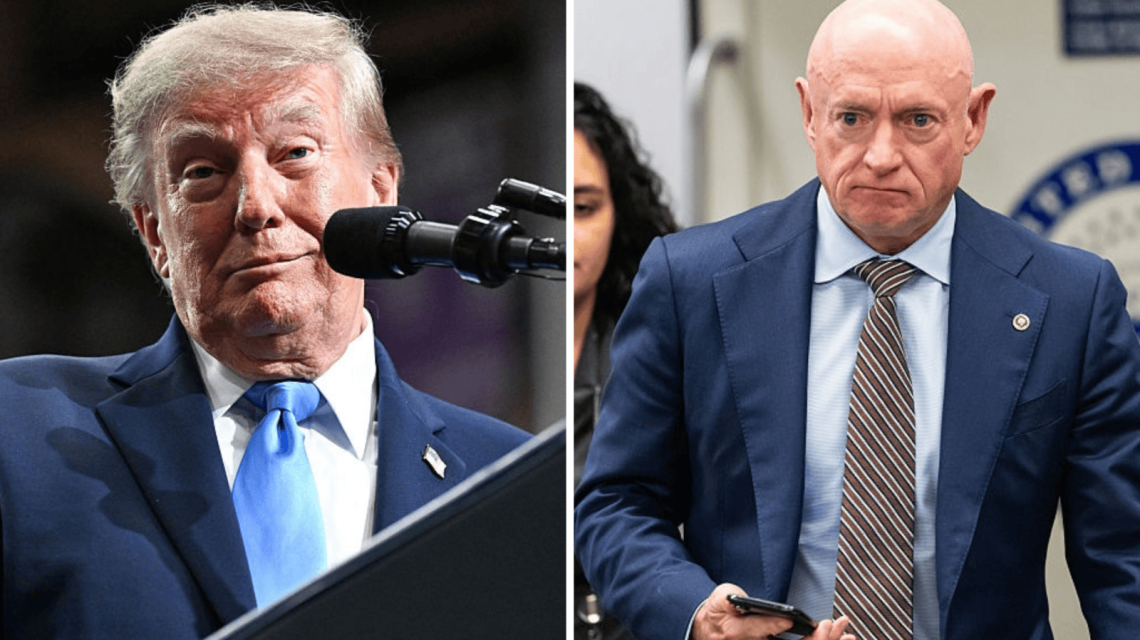
Senator Mark Kelly of Arizona criticized President Donald Trump’s suggestion to send $5,000 checks to every adult American if Republicans keep control of Congress after the 2026 midterm elections. During an appearance on CBS News’ Face the Nation, Kelly labeled Trump’s move as an effort to “buy votes.” Trump has introduced several cash-payment initiatives, including $90 payments for Medicare Part B beneficiaries and $500 Affordable Care Act refunds. Kelly acknowledged the importance of aiding seniors and working-class Americans but urged skepticism regarding the $5,000 proposal.
Trump’s Check Proposal Under Scrutiny
Trump described the $5,000 payment as a “Trump Dividend” at the Republican midterm convention in September, promising it if Republicans retain congressional control. The concept is attracting attention due to its potential cost, which could surpass $1 trillion based on the adult population. Implementing such a plan requires congressional approval, and Trump has yet to detail its funding or legislative path. Other cash-payment programs are already in motion, providing payments to millions of Medicare and HealthCare.gov beneficiaries. Critics accuse the administration of using these payments to bolster support before the midterms, while Trump defends them as needed relief.
Kelly’s Criticism of the Proposal
Speaking with Margaret Brennan, Kelly reserved strong criticism for the $5,000 proposal. He argued the timing and conditions attached to the offer hint at political motives. “You got to remember, this is a guy that gave a big tax cut to the wealthiest Americans,” Kelly remarked, accusing Trump of prioritizing the wealthy over those in need. He characterized the payout promise as a “payoff” aimed at buying votes.
Democrats are framing the payment proposal as more of a campaign tactic than an economic plan. Representative Jamie Raskin also labeled the plan as a “political bribe,” emphasizing Congress’s control over federal spending. White House spokesman Davis Ingle countered that Trump has consistently delivered on his promises while criticizing Democrats for their economic policies.
Democratic Alternative on Cost of Living
When asked about Democratic alternatives, Kelly mentioned legislation he is pursuing with Senator Chris Van Hollen. This proposal includes tax hikes on those earning over $1 million annually while offering tax cuts for middle-income households, funded through a tiered surtax. Kelly argued that adjusting tax policies would be a more sustainable approach to cutting costs than one-time payments linked to elections. He criticized tariffs and tensions with Iran as contributors to household costs, suggesting policy changes in those areas could help alleviate financial burdens.
Public Opinion on the Payments
Recent polls reveal a mixed reaction to the $5,000 payments. An Economist/YouGov poll found opposition to the payments, with 61% skeptical of Trump delivering on the promise even if Republicans retain Congress. When respondents were asked more broadly, 48% supported the idea of payments, though fewer considered it beneficial. A Verasight survey highlighted that the $5,000 pledge made 33% of respondents less likely to vote Republican. Young adults and independents expressed significant resistance to the proposal.
Other Proposed Payments and Dividends
Trump has suggested additional payments, including dividends for residents near data centers and service members’ “warrior dividends”. He cited past successful payments as evidence of his ability to deliver. Trump’s previous proposals, such as the DOGE Dividend and a tariff rebate, have yet to be fully realized. Newsweek’s team, with the assistance of AI, compiled this analysis. For more information, contact reporters Steve Mollman and Anthony Murray.
 Partisan Tensions in Congressional Hearings
  Trump Defends Daily Aspirin Use Amid Health Scrutiny
 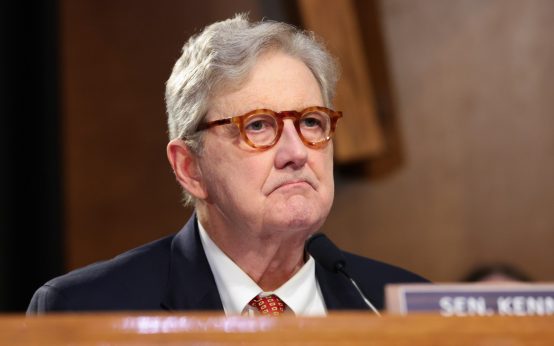 Senator Kennedy Warns GOP on Voter Concerns Over Cost of Living
 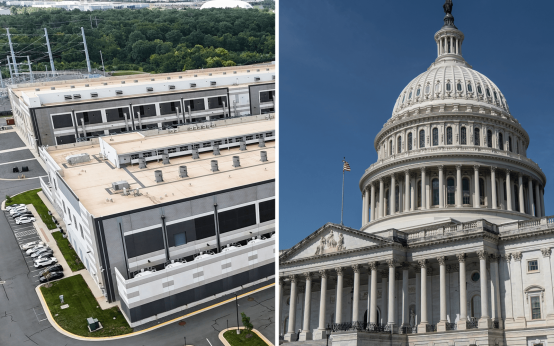 Virginia’s Shifting Political Landscape Ahead of Midterms Highlights Data Center Debate
 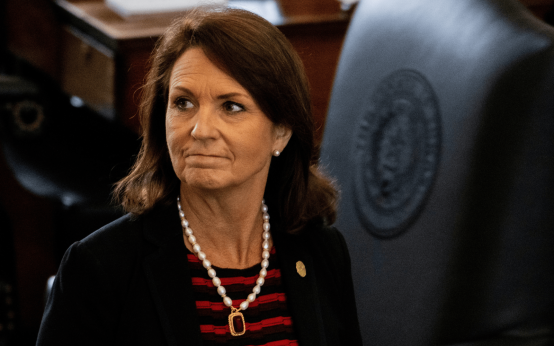 Angela Paxton Urges Support for GOP Amid Divorce and Tight Senate Race
  Potential Democratic Candidates for 2028 Presidential Race Emerge