
As the nation approached its 250th anniversary on July 4, Americans were confronted with unsettling images. On the streets of Washington, a large group of masked men carried flags while chanting ‘Reclaim America!’ The appearance of their uniform baseball caps with distinct logos revealed them as members of Patriot Front, a recognized white nationalist group.
This incident highlights a disturbing trend. Nearly one in seven white men under the age of 30 in the United States express support for white nationalism. This statistic originates from a comprehensive study emphasizing the complexity of factors influencing this support.
Beyond Partisanship
Partisanship does not fully account for the appeal of white nationalism among young white males. Multiple elements play a role in this attraction. Social, economic, and cultural factors intersect, shaping individual beliefs and ideologies.
Demographic studies reveal diverse motivations behind such affiliations. Some individuals find identity and belonging in these groups, while others seek to express broader societal frustrations.
Implications for Society
The rising support for nationalist ideologies has significant implications. These beliefs can influence political discourse and community dynamics. Understanding and addressing the underlying causes is crucial for fostering a more inclusive society.
Efforts to combat extremist views must involve education and dialogue. Engaging communities in conversations that bridge divides may reduce the appeal of divisive ideologies.
 Republican Primary Tensions: Vance vs. Cruz
  Trump’s Influence in Latin America: Political Wins and Strategic Moves
 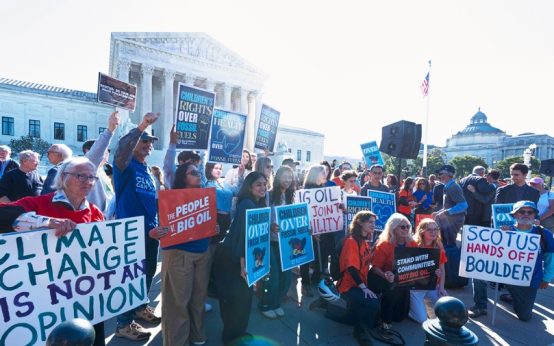 Debates, Executive Orders, and Supreme Court Climate Case
 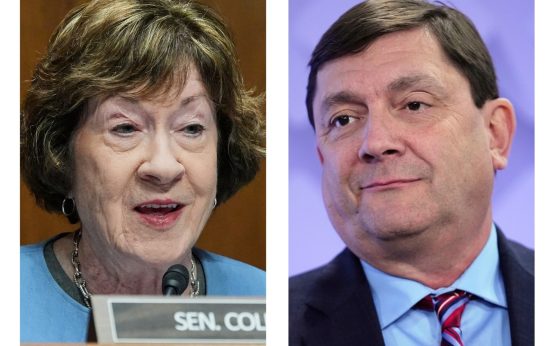 Collins and Jackson in Tight Race for Maine Senate
 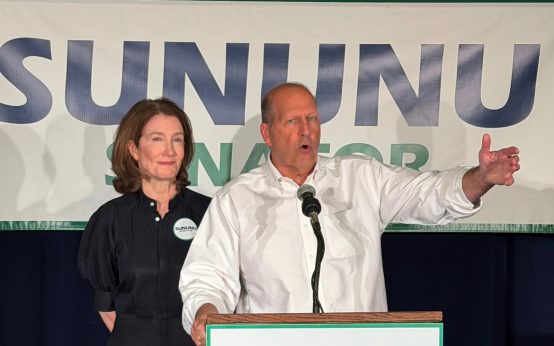 Tight Senate Race Emerges in New Hampshire
 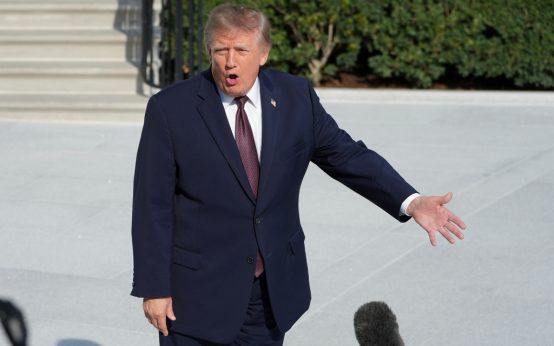 Trump’s Use of Taxpayer Dollars for Political Ads Sparks Controversy