President Donald Trump enjoys not only campaigning for Republican candidates but also seeing his favored politicians win elections. In Latin America, he has experienced notable political victories. Over the past 18 months, right-wing candidates have secured the presidency in seven nations within this region, often called the U.S. ‘backyard.’ Trump’s influence has played a role in many of these elections. In Honduras, he strongly hinted at halting U.S. aid if his favored candidate lost. In Argentina, he promised a $20 billion currency swap to support the incumbent president’s allies in the legislature.
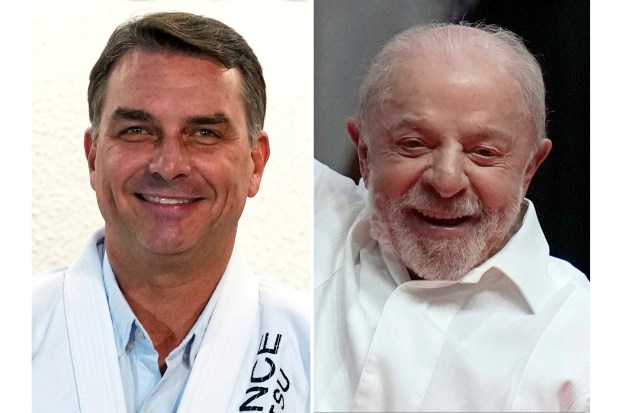
Trump has expressed satisfaction with these outcomes, stating that a large number of those he supported have been successful. Recent developments in Brazil have brought him closer to another potential win. In Brazil’s latest elections, millions voted for a new president. Flávio Bolsonaro, son of former Brazilian President Jair Bolsonaro, secured 47.03% against Luiz Inácio Lula da Silva’s 45.16%.
Neither candidate surpassed the 50% threshold, leading to a second round on October 25. Bolsonaro appears favored as many right-leaning groups support him, increasing Trump’s hopes for an ally in the region unless Lula captures moderate and previously inactive voters.
Biden’s administration had strained ties with Jair Bolsonaro over environmental and economic concerns, while Trump promises a different approach with Flávio, aligning more closely with American policy objectives.
Under Biden, relations between the U.S. and Brazil remained tense, especially due to Jair Bolsonaro’s environmental policies and warming ties with China. Relations with Lula, a key left-wing leader in Latin America, were also challenging, with differing national aims and personalities clashing.
The Trump administration views the Western Hemisphere as its strategic domain, a viewpoint that Lula finds arrogant. Brazil’s foreign policy under Lula aims for geopolitical flexibility and reduced dependency on a single nation, diversifying relations globally to support the Global South’s collective influence. This perspective often conflicted with Trump’s initiatives.
Trump attempted to protect Jair Bolsonaro from legal troubles in Brazil by imposing tariffs on Brazilian goods, criticizing Brazil’s judicial actions as unfair. These tariffs backfired, pushing Brazil closer to China in search of alternative trade partners. Eventually, some tariffs were lifted to address the rising cost of groceries in the U.S.
Throughout Brazil’s election season, Trump took actions perceived as attempts to sway the political landscape. He classified Brazil’s top criminal groups as terrorist organizations and imposed further tariffs, leading to diplomatic tensions. Plans for U.S. officials to discuss electoral integrity were blocked by Brazil’s government, seen as interference. Additionally, the Brazilian ambassador to the U.S. faced visa revocation amid these disputes.
Lula and Trump have a strained relationship, with Trump favoring Flávio Bolsonaro despite not officially endorsing him. Bolsonaro aligns with Trump’s agenda, including joining anti-cartel initiatives and pivoting Brazil’s foreign policy toward Western alliances. Trump’s goal is to have a cooperative leader in Brazil, similar to the situation he enjoys in Venezuela.
Regardless of the second-round election outcome, Trump faces uncertainty. Daniel DePetris, a fellow at Defense Priorities, analyzes the scenario. Readers are encouraged to submit letters for further discussion.
 President Trump Criticizes Media Over Rally Coverage
  Impact of Global Conflicts on Gas Prices
  Republican Primary Tensions: Vance vs. Cruz
 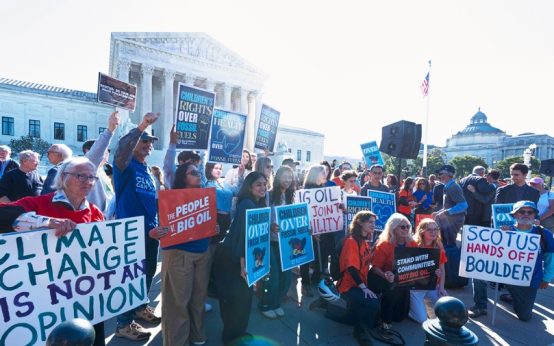 Debates, Executive Orders, and Supreme Court Climate Case
 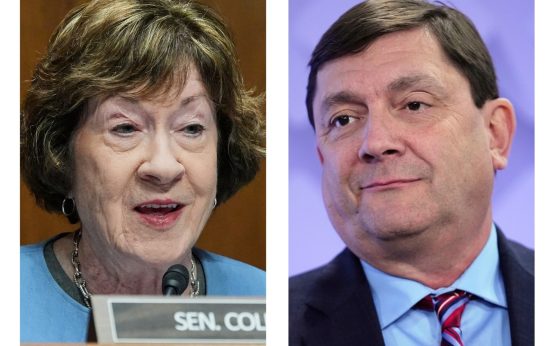 Collins and Jackson in Tight Race for Maine Senate
  Understanding White Nationalism Among Young White Men in the U.S.