China’s recent state visit brought temporary relief in trade tensions, yet critical military developments persist. Chinese President Xi Jinping made headlines during his first state visit to the United States in over a decade. President Donald Trump welcomed him with full honors at Joint Base Andrews, including troop reviews and a state dinner. Despite the festivities, the underlying challenges remain substantial.
Xi emphasized peaceful coexistence between the two nations and urged cautious handling of Taiwan, advocating against its independence. While discussions on rare-earth minerals, essential for military technology, remain opaque, the White House acknowledged ongoing efforts to address American supply vulnerabilities.
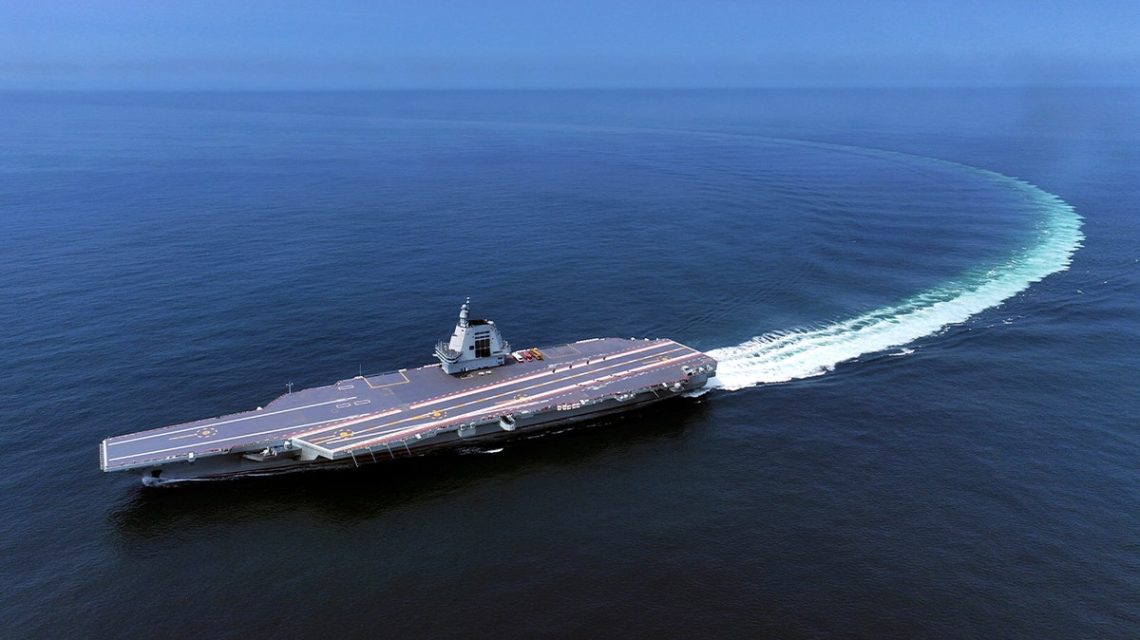
Beyond diplomatic pleasantries, China is advancing rapidly with its naval buildup. Remarkably swift production of warships underscores an aggressive stance. In a photo from Xinhua News Agency, China’s third conventionally powered aircraft carrier, Fujian, embarks on its maiden sea trial, showcasing military growth.
The pressing concern is not China’s ability to build its navy, but its sustainability post-2031. Operating costs for naval fleets are significant, consuming 60% to 70% of a ship’s life-cycle cost. A decade of intense production has yielded destroyers, frigates, and submarines, necessitating extensive maintenance starting around 2031. China’s fiscal challenges, highlighted by local deficits and declining land sales, further complicate military sustainability.
Historically, Germany faced similar fiscal dilemmas during its rearmament in the 1930s. Comparisons draw attention to China’s need for fiscal resources akin to past military expansions. Xi’s strategies may involve coercion or aggressive maneuvers against Taiwan to address these challenges before America secures alternate supply chains.
China’s control over rare-earth magnets remains pivotal. Restricting licenses and targeting American firms illustrate strategic moves to hinder Western rearmament. However, Trump’s administration recognized the threat, prompting efforts to reduce dependency on Chinese supply chains. The Pentagon’s initiative to eliminate Chinese magnets from defense supply lines symbolizes diminishing vulnerabilities by 2031.
The visit was marked by ceremonial grandeur, yet substantial policy shifts did not occur. Xi’s request for quietude on Taiwan received no concessions, and mineral negotiations remain at a standstill. With centralization of power and a modernized fleet, the Chinese Communist Party faces increasing costs to maintain military strength.
Preserving peace through military deterrence underscores the strategic imperative for the U.S. Xi’s dwindling timeframe highlights the urgency for America to proactively enhance its defenses and address persistent challenges over the next five years.
 Challenges and Future Plans for the Canadian Army
  Russia Criticizes U.S. Base and Nuclear Plans in Lithuania
  Trump’s Influence in Latin America: Political Wins and Strategic Moves
  Flávio Bolsonaro’s Strategic Decision in U.S. Visit
  Russian Scientist’s Death Raises Concerns Over Plague Exposure
  Poland Prepares for Potential Conflict Amid Rising Tensions with Russia