An Iranian activist, Sheyda Rahbari, has brought attention to the increasing executions of political dissidents by the Islamic regime in Iran. Rahbari highlights the regime’s heightened pressure on its citizens, threatening them with arrests and executions.
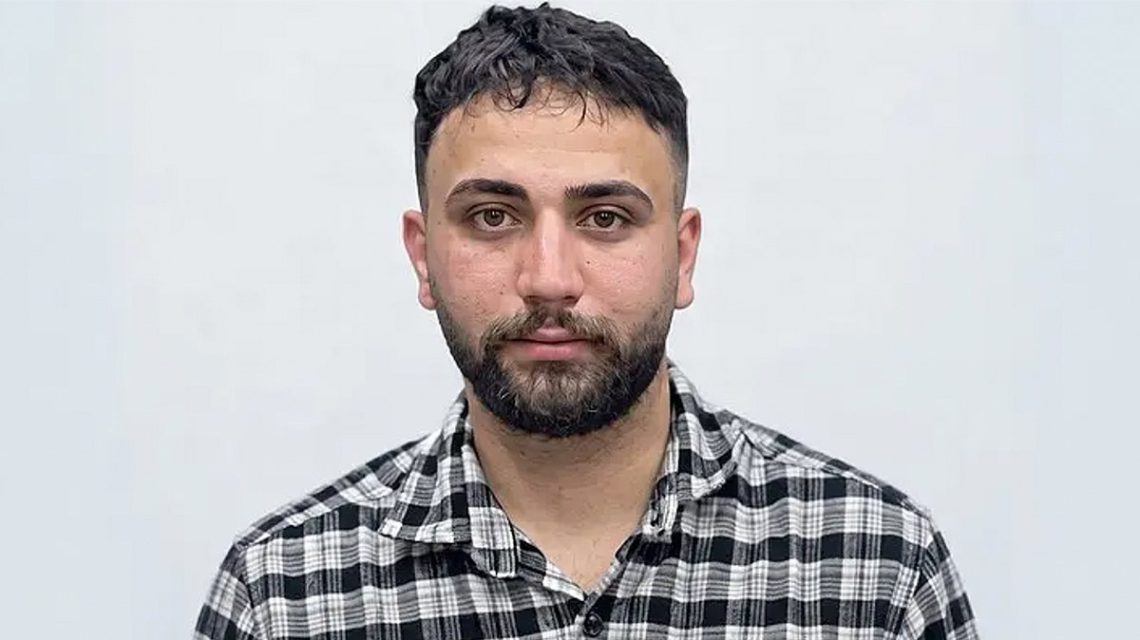
Rahbari mentions the case of 18-year-old protestor Amir Hussein Hamedi, whose execution serves as a stark example of the regime’s harsh measures. According to The Times, an Iranian anti-regime protester, Alireza Sepahi, age 25, was executed on October 5 at dawn inside Isfahan Central Prison, shortly after marrying his imprisoned fiancée over a jail phone line.
Sepahi was executed alongside Alireza Raisi after both were sentenced to death for their involvement in anti-government demonstrations at Isfahan’s Alikhani Square on January 8. This information was confirmed by Human Rights Iran.
Sepahi and Mahshad Keshani, a 22-year-old student activist, had known each other prior to their arrest during the anti-regime demonstrations. Keshani is serving a five-year sentence and had pushed for an informal wedding, sensing that Sepahi’s execution was near, following a final family meeting.
The couple exchanged vows via a phone call from inside the prison, with their fathers present. Human rights lawyer Amirsalar Davoudi aided in the ceremony by reading the vows for the fathers’ approval. Keshani’s family presented a Quran, saffron rock candy, and a single red rose as a dowry.
“It was Mahshad’s idea,” said Davoudi. He expressed admiration for her bravery, noting, “Even now, I wonder how one young woman can possess such courage.”
Davoudi warned Keshani about the permanence of the marriage. She responded with conviction, saying, “Mr. Davoudi, I love Alireza.” Sepahi wept when the proposal was made, and even prison officers were moved to tears, according to Davoudi.
The marriage did not influence the execution schedule. Sepahi had previously survived a hanging in July after experiencing a heart attack en route to the gallows. After he recovered, authorities rescheduled the execution.
Sepahi is one of seven executed in the Alikhani Square case, where 12 men faced charges related to the deaths of four security personnel. After his execution, Sepahi’s family was reportedly barred from burying him in their hometown.
Davoudi condemned the execution, saying, “I do not know how to come to terms with this. The regime is taking revenge on innocent young people for the humiliation it has suffered internationally.” Keshani remains in custody, facing further legal complications.
Maryam Rajavi, president-elect of the National Council of Resistance of Iran (NCRI), has urged U.N. Secretary-General António Guterres to take action against the executions and violence against protestors. Rajavi calls for international accountability and pressure on Tehran to end the deaths.
 British Court Rules Search Warrants Illegal in Investigation of Former Prince Andrew
  Speculation Surrounds Nobel Peace Prize Award
  Russian Strike on Kramatorsk Causes Mass Casualties
  Justice Department Files New Charges Against Nicolás Maduro and Wife
  The Impact of Prolonged Displacement on Ukrainian Refugees
  South Korea Tests First Hypersonic Weapon