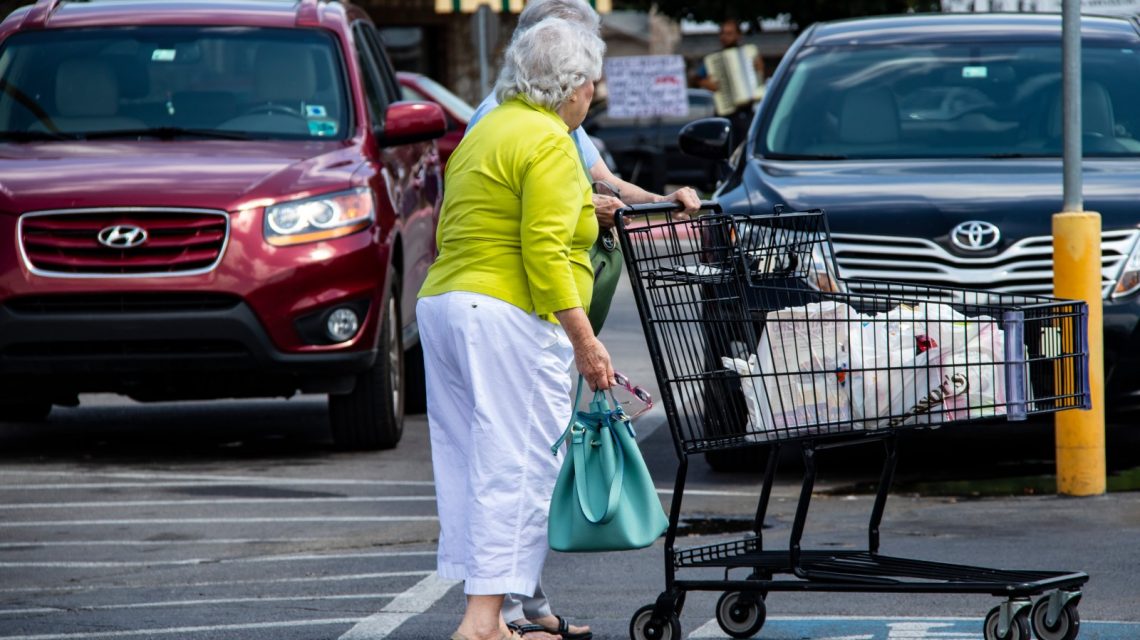
The Baby Boomer generation is set to significantly impact the U.S. economy in the coming years. This group, born between 1946 and 1964, holds immense wealth and is poised to shift spending patterns towards healthcare, housing, financial services, and premium experiences. A study from Moody’s Ratings highlights these trends, noting Baby Boomers possess approximately 52% of total U.S. household net worth.
In terms of real estate, they own about 41% of U.S. assets, equivalent to nearly $19 trillion. This wealth accumulation stemmed largely from homeownership during the 1970s and 1980s when home prices were more affordable.
Concentration of Wealth
Within the Baby Boomer demographic, wealth is highly concentrated, with the top 10% holding about 71% of the generation’s total wealth. As of 2022, Boomers aged 65 and older had a median household wealth around $372,000, compared to $250,000 for the Silent Generation at a similar age, adjusted for inflation.
The ‘silver cohort’ is reshaping the U.S. economy, potentially creating both winners and losers nationwide.
Impact on Services and Goods
As the nation ages, Boomers’ spending habits will influence demand for a variety of services and products. By 2060, about 20% of the global population will be at least 65 years old. Affluent older Americans are projected to drive demand for private banking, wealth management, luxury travel, premium food and beverages, and health-related products.
Technology usage among Boomers may also boost industries providing telehealth, e-commerce, streaming services, and digital financial advice. However, Moody’s notes that mass-market businesses like midmarket retail and casual dining could see slower growth.
Healthcare and Housing Effects
Healthcare is positioned to benefit significantly. Households led by someone 75 or older spent around 14% of their consumption on healthcare in 2024, compared to just 3% among those under 25.
The housing market will also evolve as many Boomers prefer to remain in their homes, potentially leading to increased demand for home modifications, maintenance, and smart-home technology. While senior housing demand grows, data suggests that Americans aged 75 and above spend only about 56% as much as the highest-spending age group.
Pension and Market Sensitivity
Boomers are more exposed to defined-contribution pensions and market-linked retirement assets than previous generations, making their discretionary spending sensitive to changes in equities and interest rates.
The economic impact extends beyond Boomers themselves. As younger generations shrink, there may be weaker demand in sectors like education, childcare, and children’s products, reflecting a broader shift in consumer demographics.
 A Woman’s Journey to Breast Cancer Diagnosis and Advocacy
  Federal Focus on Kratom-Derived Products
  Link Between ADHD and Dementia Risk Explored
  The Role of Advocates in Patient Care
  Rising Antibiotic Resistance in Shigella Infections
  Concerns and Legal Battles Over GLP-1 Drugs