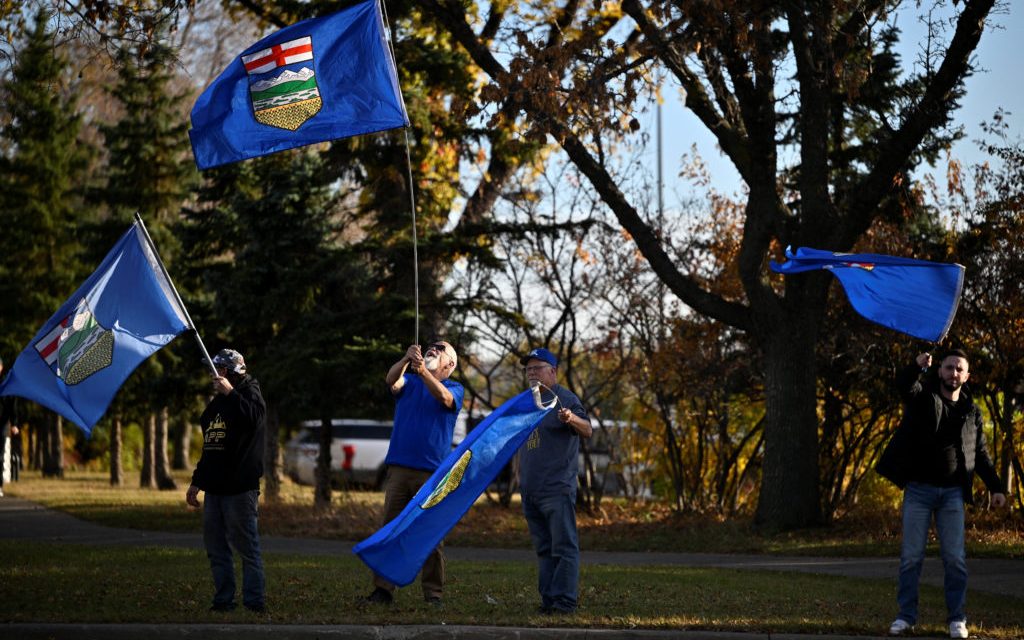
For many years, the idea of Alberta separating from Canada seemed unlikely. Alberta, rich in oil reserves, will soon vote on whether to start the process toward independence. Importantly, this vote, scheduled for October 19, does not directly decide independence but considers beginning legal steps for a future referendum.
Premier Danielle Smith, who initiated this vote, advocates for staying within Canada. A recent poll indicated that support for starting the separation was about 23%, which Smith finds concerning.
Alberta has often been at odds with Canada’s federal government regarding energy policies. Prime Ministers Pierre and Justin Trudeau became unpopular in the province due to their climate measures, including the national carbon tax, which Albertans believe harms their oil industry.
Historically, separatist parties garnered minimal support. However, former Premier Jason Kenney noted a shift during the COVID-19 pandemic, influenced by events such as the Freedom Convoy, which challenged vaccine mandates and broader restrictions. This movement fueled separatist sentiment as it drew support from those disillusioned by globalism and pandemic rules.
Prominent independence advocate Jeff Rath described federal vaccine mandates as a breaking point, likening it to the last straw for separating from Canada. The 2022 Freedom Convoy expanded from a protest against trucker vaccine mandates to a general critique of pandemic restrictions, enabled by social media connections among activists.
Kenney observed that separatist movements became more organized, raising funds and aligning with seasoned political operatives. He noted overlap between these activists and supporters of contentious global figures like Vladimir Putin.
Federal Politics and Separatism
Prime Minister Mark Carney has prioritized expanding Alberta’s oil reach and backed pipeline development. His business-friendly approach unexpectedly resonates with conservative Albertans, contrasting previous federal leaders. Alberta independence leaders face strong opposition from prominent politicians across Canada, including Carney.
Rath admitted that gaining majority support remains a challenge for separatists, who would consider over 30% of the vote a significant achievement.
Alberta’s separatists have engaged with U.S. officials, exploring opportunities for collaboration. Rath confirmed meetings with the U.S. State Department, pointing to discussions about potential oil pipelines. This international outreach raised concerns, highlighted by Kenney, about discussing Alberta’s status without a democratic mandate.
Potential Impact of the Vote
According to Keith Wilson, another independence leader, the current vote aims to give Alberta more negotiation power rather than achieve full independence. Preparations for significant changes to Alberta’s relationship with Canada are underway.
Kenney remains skeptical about the future of Alberta’s separatism. Even moderate support far surpasses past separatist votes. Should turnout boost this support to 30%, separatists may feel encouraged, posing risks to the conservative movement but not threatening Canada as a whole.
Alberta is not alone in challenging Canadian unity. Quebec voters recently supported the Parti Quebecois, a separatist party, although their leader avoids pursuing independence during Trump’s U.S. presidency. Quebec has twice voted against independence, with the last vote in 1995 narrowly favoring unity.
A free press remains crucial for democracy and informed discussions.
 The White House and Communication Challenges
 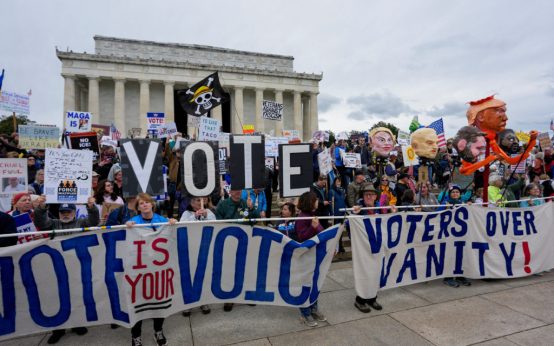 Rallies Encourage Early Voting Amid Tensions Over Voting Rights
 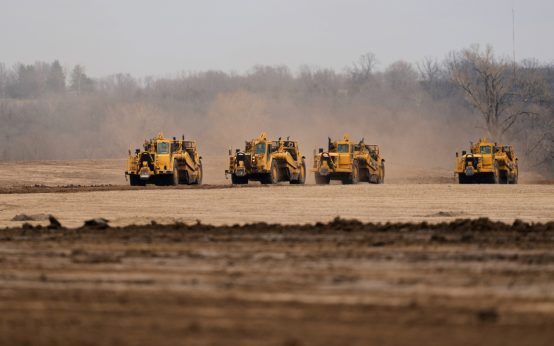 Geography and Politics Shape Future of AI Data Centers in Red States
 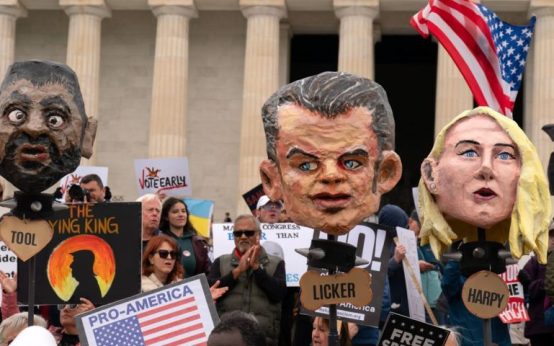 Protests and Early Voting Initiatives Mark ‘No Kings’ Day of Action
  The Movement for Guaranteed Income Gains Momentum
  Thousands to Participate in ‘No Kings’ Rallies Across Southern California