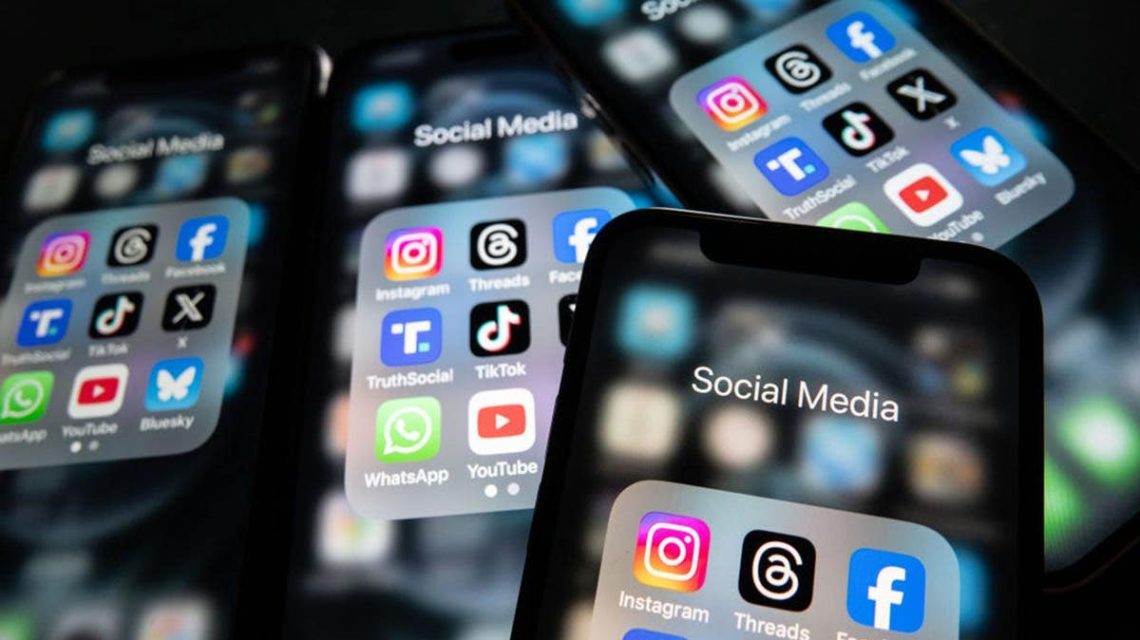
Social media has become a platform where negative comments are twice as likely to be shared as positive ones. This environment encourages people to insult others without fear, often for financial incentives. Such negativity has gained attention recently as public figures like ESPN’s Pat McAfee report feeling unsafe due to online threats. He received numerous aggressive messages, including references to violence.
OutKick founder Clay Travis also experiences hostility online daily. Public figures, especially those with controversial opinions, often face continuous online abuse.
University of Minnesota research indicates a nearly two-to-one ratio of negative to positive comments online. This can have significant mental health impacts. A 2025 study of 128 adults showed that exposure to negative comments increased anxiety scores to 2.42, compared to 1.77 for neutral comments and 1.55 for positive comments. These negative interactions decreased mood scores to 2.37, while neutral and positive comments resulted in higher scores of 3.05 and 3.25, respectively.
A meta-analysis on adolescents reveals that those experiencing cyberbullying are 2.73 times more likely to develop depression. This highlights the serious impact social media hostility can have on mental well-being across all age groups, from children to public figures.
Jesse Morse, M.D., who built a significant following on social media, has decided to retire from his role due to the relentless negativity he faces. He believes that the harm to his reputation and mental health outweighs the benefits.
It is important to not let strangers’ opinions affect your mood. Responding to someone who knows little about you is like accepting a poorly informed movie review. Most online criticisms arise from a single post or moment and do not reflect the complexity of individuals.
Studies show that negative content on social media spreads more widely due to its higher engagement, distorting public perception. Positive reactions often remain less visible, resulting in an unbalanced view of opinions.
In the past, people lacked direct access to strangers’ opinions. Although technology now delivers these opinions instantly, it hasn’t improved their accuracy or significance. Treating them as more than they are gives undue power to those expressing them.
To protect your well-being, ignore those who don’t contribute positively to your life. Consider turning off mentions, restricting replies, or even deleting social media. By denying access to those who spread negativity, you render their words powerless.
Ultimately, unless online negativity poses a direct threat to your key priorities like family or career, it should not occupy your thoughts. Hate loses its power when ignored.
 Strategies to Ease the Transition from Daylight Saving Time
 HHS Seeks New Vaccine Advisors
 Musk’s Influence Highlights Global Policy Concerns
 Understanding High-Functioning Depression
 Promising Results for Breast Cancer Treatment with Trastuzumab Rezetecan
 Rise in New World Screwworm Cases Among Animals in the U.S.