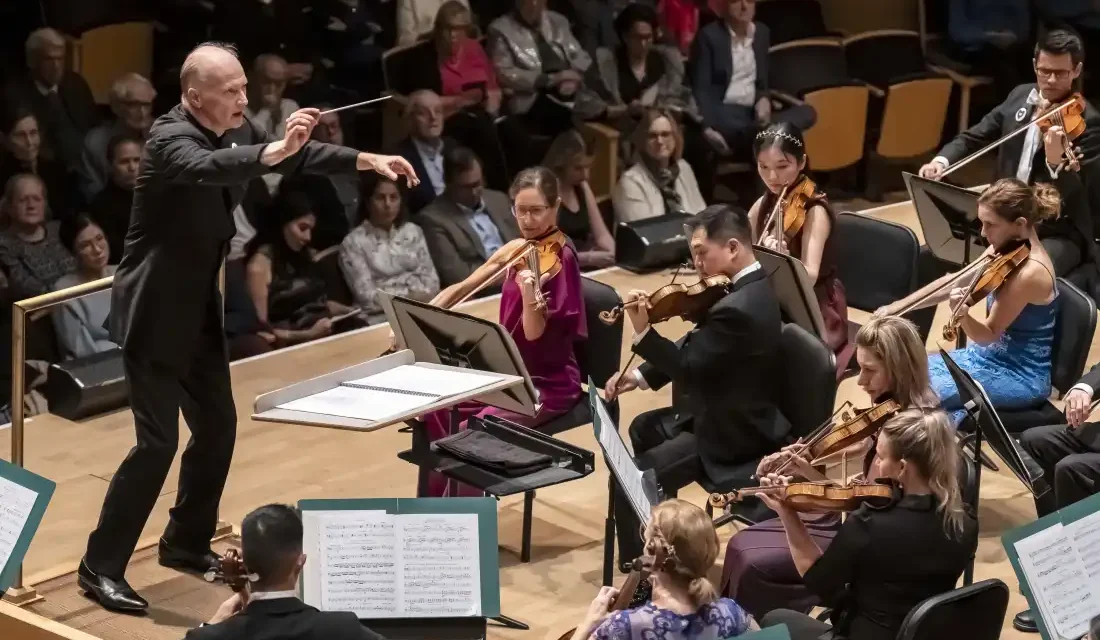
The National Symphony Orchestra (NSO) is in a precarious situation following the closure of the John F. Kennedy Center for the Performing Arts in Washington, D.C. on September 15. This decision has left one of America’s prominent orchestras without a primary stage. The center’s closure came after declining ticket sales, protests, and a legal dispute related to President Trump’s name being added to the building’s façade. Trump’s takeover in early 2025 involved dismissing the board of trustees and firing Kennedy Center president Deborah Rutter.
The NSO, performing at the Kennedy Center since its inception in 1971, now faces the challenge of finding new venues. Led by Italian conductor Gianandrea Noseda for nine years, the orchestra must navigate this new situation. ‘It was a shock,’ Noseda comments, voicing concerns over their future without a home stage.
‘What will we do now if we don’t have our home?’
The orchestra is adapting by securing performances at six different venues in the Washington, D.C. area. They hope to maintain their budget amid ongoing controversies surrounding the Kennedy Center. Anne Midgette, former music critic for The Washington Post, feared for the NSO’s survival, emphasizing its integral connection to the Kennedy Center.
Amid these challenges, the NSO announced their season later than usual due to budget uncertainties. The season’s late reveal occurred only six weeks before their September 26 opening night, which took place at the Music Center at Strathmore in Bethesda, Maryland. They performed pieces by Carlos Simon, Tchaikovsky, and Respighi. Midgette described the event as bittersweet, noting the orchestra’s struggle to perform away from its traditional venue.
Financially, the NSO faces significant hurdles. The season is notably curtailed, affecting both the orchestra’s finances and morale. Yet, successfully planning a season under these conditions is seen as a triumph. The situation challenges the NSO’s identity and forces reflection on its importance.
Musicians Face Uncertainty
Rick Barber, associate principal double bassist, joined the NSO in 1995. He shared the shock many musicians felt at the Kennedy Center’s closure. Despite initial anxiety, Barber remains committed to the music, finding solace in it amidst political tensions.
Noseda, always optimistic, stresses focusing on opportunities. ‘Let’s reach new audiences in different places,’ he suggests. Rather than departing during the turmoil, Noseda renewed his contract until 2031, reasoning that leadership means serving the orchestra and community.
As the NSO adapts, success remains uncertain. Midgette questions public interest and investment in symphony orchestras amid financial struggles. Many American symphonies, including the Phoenix Symphony, face similar challenges, often due to decreased affordability for audiences. Economic difficulties, such as high ticket prices and living costs, exacerbate these issues.
The NSO, under pressure, will perform roughly half its usual concerts. Recovering audience numbers and regaining donors is crucial. Reports indicate a projected decline in ticket revenue and donations, linked partly to reductions in the Kennedy Center’s staffing and development department.
Noseda, undeterred by the current hardships, believes in the power of music to unite people. The future on the road remains unpredictable, but it presents potential for growth and resilience for the orchestra.
 Exploring Risk in ‘Everest: The Other Side’
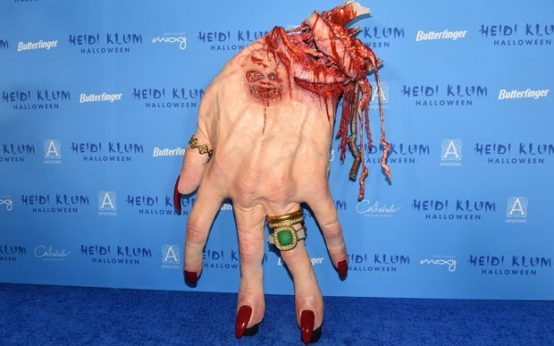 Heidi Klum Transforms into a Giant Severed Hand for Halloween
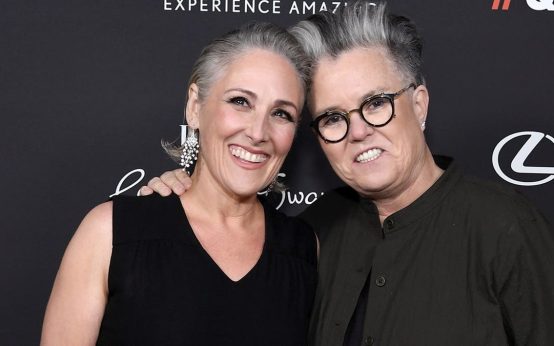 Ricki Lake Opens Up About Facelift Decision and Friendship with Rosie O’Donnell
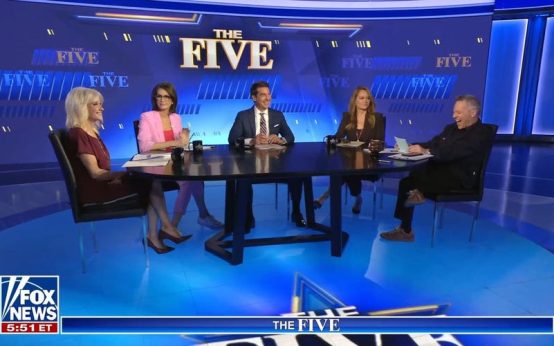 Halloween Candy Debate: ‘The Five’ Co-hosts’ Least Favorite Childhood Treats
 Jessie James Decker’s Airplane Incident Sparks Online Debate
 Dax Shepard Discusses Past with Kate Hudson on Podcast