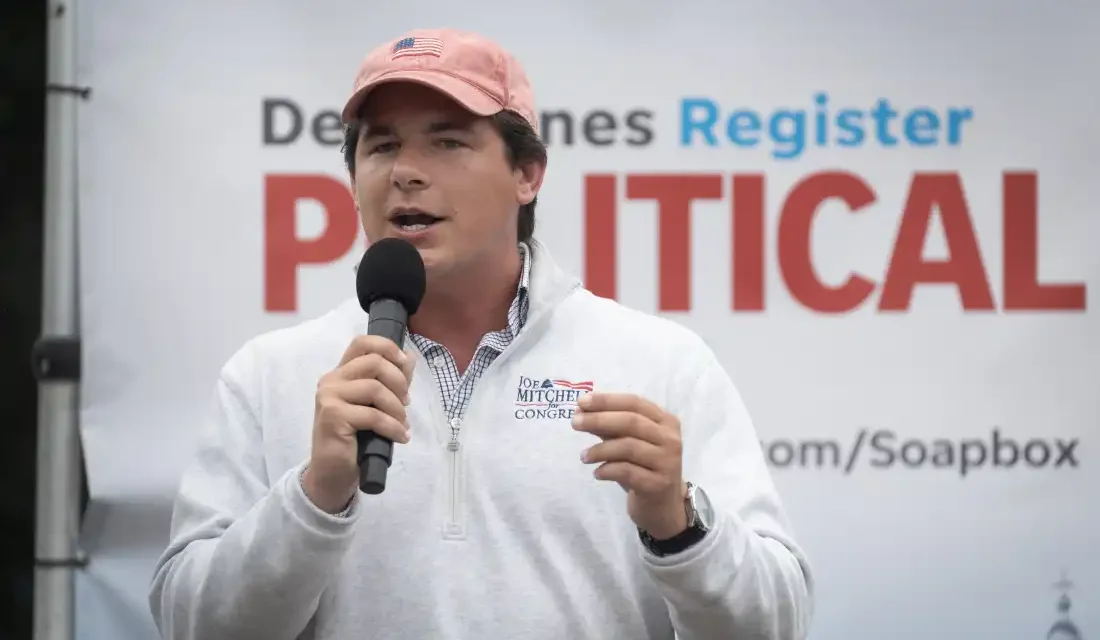
Joe Mitchell, a 29-year-old from northeast Iowa, is making waves as the GOP nominee for Iowa’s 2nd congressional district. He is among the few Gen-Z Republicans vying for a seat in the U.S. House this year. This district race is highly competitive, amid growing dissatisfaction with President Trump and Democrats eyeing control of Congress. Mitchell secured an endorsement from Trump and aims to join a new group: the initial set of Gen-Z Republicans in Congress.
Mitchell’s generation of congressional hopefuls is small. Apart from him, a few other Gen-Z Republicans are on the ballot. One candidate is in a solid red district, while others are underdogs in safe blue areas. Despite their scarce numbers, Mitchell believes their youthful perspective resonates with voters.
“People are seeking hope, regardless of party affiliation,” Mitchell expressed. “They desire young people to engage in politics, and this sentiment is evident on the campaign trail.”
Mitchell has a background as a state senator and real estate developer. His campaign promises include term limits for House members and a ban on congressional stock trading. Mitchell also refuses corporate PAC donations, advocating an “anti-corruption platform.” This focus addresses the concerns of Americans under 30, who often worry about economic and institutional trust.
Gen Z currently has one representative in the House, Maxwell Frost, a 29-year-old Democrat from Florida. Additional Gen Z candidates could win soon: Melat Kiros in Colorado’s 1st district and Republican Michael Alfonso in Wisconsin’s 7th district. Alfonso, at 26, could become the first Congressional member born in the 2000s. During an interview, Alfonso highlighted how his young age serves as his “greatest advantage.”
Running as a young candidate, particularly a young Republican, is rare. Future Caucus, a nonpartisan group supporting young officeholders, reported that only 4% of congressional candidates were Gen Z in this cycle. Democrats pushed more Gen Z candidates, while a smaller proportion ran as Republicans.
Run Gen Z strives to increase young conservative representation, with support from its executive director, Adam Pennings. Mitchell initially founded this organization. Pennings emphasized the importance of younger voices in politics:
“Young people should have a seat at the table. This doesn’t imply they need to dominate, but they should be ready to take over as veteran politicians retire.”
The organization endorses over 220 Gen Z and millennial conservative candidates nationwide, including congressional hopefuls like Mitchell and Alfonso. They back others like Riley Owen in Utah, who challenges the odds in a district favoring Democrats.
Amid election hurdles, young conservatives consider their vision for the GOP. Owen noted, “People crave solutions, new faces, and fresh ideas.”
“The GOP should foster trust, encourage risk-taking, and support the American dream. Achieving this can secure a strong conservative future,” Owen added.
Mitchell foresees a proactive Republican Party, prioritizing the American populace. He advocates an “America First party” approach. However, the term “America First” stirs internal debate, especially regarding the U.S.’s stance in the Iran conflict. This war intensifies electoral challenges as Democrats connect it to economic issues. Mitchell generally supports Trump’s agenda, but stresses that interpretations of “America First” may vary.
 Analyzing the Political Climate Ahead of the U.S. Midterm Elections
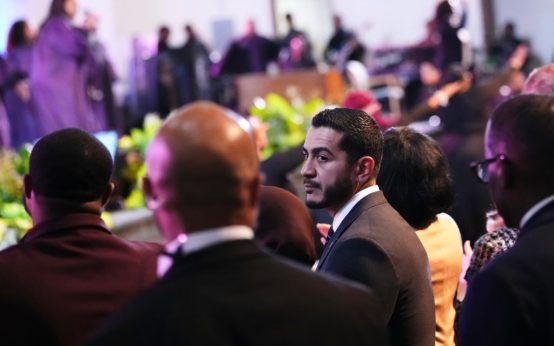 Democratic Rivalry in Michigan Senate Race: Stevens Endorses Rogers
 Understanding Polling Averages and Their Limitations
 Ken Paxton Adjusts Senate Campaign Tour, Avoids Alamo
 Unexpected Political Alliances Emerge in Michigan Senate Race
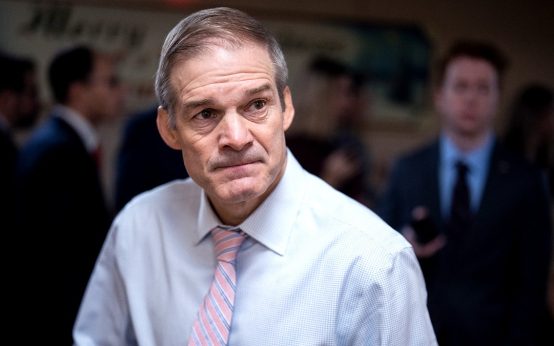 Jim Jordan’s Campaign Journey