
Since 2000, the annual Trafficking in Persons Report has been a crucial tool for the government to tackle human trafficking globally. The report assesses countries’ efforts, highlighting their achievements and areas for improvement, while providing recommendations for progress. Since 2010, it has also evaluated U.S. performance under the same criteria. The 2026 edition, however, represents a significant departure by removing all prioritized recommendations and reducing the focus on government shortcomings.
Released over three months late, the report follows last year’s severe staff cuts and early retirements in the State Department’s trafficking office, reducing its size to about a quarter of its former capacity. This year’s document lacks nearly 2,000 prioritized recommendations across 188 countries, which served as essential guidance for governments. The absence of these recommendations leaves the report much diminished.
The 2026 report also cut 40% of the previous year’s content, reducing information on extraterritorial child sexual exploitation, child sexual abuse material, male sex trafficking victims, LGBTQ+ communities, non-governmental organizations, and trafficking survivors. It not only evaluates foreign government efforts but also reviews U.S. government actions. However, the U.S. section is only a third of last year’s length and lacks any recommendations, despite having 14 in the previous edition.
Notably, the report omits details about the Jeffrey Epstein case, which had a significant impact on public views about child sex trafficking. It also leaves out the enactment of the Epstein Files Transparency Act in late 2025 and the Justice Department’s inadequate handling of trafficking evidence disclosure. Instead, it highlights enhanced immigration enforcement as a primary achievement, which many, including the organization Protect All Children from Trafficking, argue compromises the safety of child trafficking survivors.
Crucial findings from NGOs and survivors are absent. Previously, the U.S. narrative acknowledged concerns about trafficking victims facing deportation and recognized delays and cancellations affecting services for them. Statistics on T-visas and temporary protections have also disappeared. Though the report mentions a steep cut in federal funding for victim services and prevention education, it fails to discuss the implications of these reductions.
There is some progress. Federal trafficking convictions increased from 210 to 293, and the Trafficking Survivors Relief Act now allows survivors to clear convictions for crimes they were coerced into committing. However, the report’s silence on weakened victim support undermines its credibility.
In February, Protect All Children from Trafficking proposed several recommendations. They stressed the importance of prevention education, transportation sector engagement, better recognition of boys’ vulnerabilities, real survivor involvement in program design, and addressing how immigration enforcement hinders victim identification. These suggestions were largely ignored, though prevention education was briefly mentioned in a Florida-specific sidebar.
Looking forward, the State Department should reinstate the Trafficking in Persons Office’s capacity and importance, ensuring it can produce comprehensive reports with prioritized recommendations backed by diplomatic efforts. Congress also has a role, using oversight hearings and the reauthorization of the Trafficking Victims Protection Act to insist on maintaining a thorough and evidence-based report. Restoring funding for victim services and ensuring legal representation for unaccompanied minors are crucial steps. The U.S. has historically led the charge against human trafficking, and a diminished report risks making child exploitation easier to ignore.
Aram A. Schvey is the senior director of Policy and Government Relations at Protect All Children from Trafficking and has served as a Senior Congressional Advisor in the State Department’s Office to Monitor and Combat Trafficking in Persons.
 Palestinians Return to Damaged Homes in Hebron After Israeli Military Operation
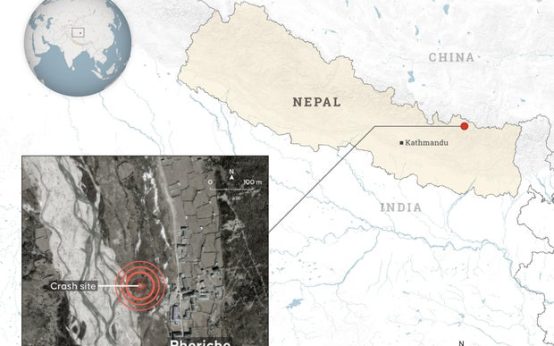 Helicopter Collision Near Mount Everest Base Camp Leaves One Dead
 FIFA President Infantino’s Controversial Immigration Maneuver for Nicaraguan Housekeeper
 Judicial Ruling Delays Trump’s Memorial Arch Construction
 Zelenskyy Stands Firm Against Trump’s Requests to Cease Attacks on Russian Refineries
 Upcoming U.S. Congressional Races: A Detailed Analysis