
Republicans hoped that their mid-decade redistricting would shield them from losses during this election cycle. However, the party experienced setbacks in many of the districts they had redrawn. The “redistricting war” prior to the elections was anticipated to yield gains for the GOP in states like Texas and Florida. Republicans also aimed to secure additional seats in other regions. Yet the expectations didn’t fully materialize.
In California, the pushback was strong. The state used its own gerrymandered districts to favor Democrats, resulting in additional seats for them. By Tuesday night, it was clear that Republican efforts had not succeeded as planned. The Cook Political Report classified nine Republican-redrawn districts as leaning or likely Democrat as of Tuesday morning. By Wednesday morning, Republicans lost all nine of these races.
“Gerrymandering reduces electoral competition even if Republicans lose seats due to lack of popularity,” said Kosuke Imai, a Harvard University professor. Imai noted that, without mid-decade redistricting, the party’s results might have been worse.
Impact of Redistricting in Various States
Several states experienced changes to their congressional maps. These efforts were driven mainly by pro-Republican agendas. Here’s a closer look at key states:
- Florida: Redistricting aimed to weaken Democratic voting strength in areas like Tampa and Orlando. Despite this, Democrats won key races identified as toss-ups.
- North Carolina: The Republican legislature altered the Democrat-held 1st congressional district, yet the Democrat incumbent survived the contest.
- Ohio: The state’s redistricting sought bipartisan changes that still aimed to benefit Republicans, but Democrats held key districts.
- Texas: This state was a focal point for Republicans, who targeted Democratic districts. Despite this, Democrats won several important races.
Republican Strategy and Its Limitations
Republican leaders promoted redistricting as a way to maintain their slight majority in Congress. Predictions suggested gains of approximately 15 seats nationwide. However, California countered with a ballot initiative that aimed to benefit Democrats, which impacted Republican plans.
Nicholas Stephanopolous, a Harvard law professor, noted that mid-decade redistricting accounted for about nine additional seats Republicans could have won under neutral conditions. He suggested that without these efforts, Democratic majorities might have been larger.
Brookings analysis earlier predicted limited results from Texas changes. They highlighted that assumptions were based on shifting Latino voter dynamics since 2024—notably undone by recent outcomes.
The Associated Press indicated that map shifts moved seats only slightly in GOP’s favor, by around 1.4%. Stephanopolous remarked that holding on to the House becomes challenging with a significant popular vote loss.
Challenges and Consequences
Some Republican-led efforts were blocked by courts or legislative bodies. For instance, Missouri faced legal challenges to their new map. South Carolina’s map revisions met resistance in the Senate.
“These questions are hard to answer because we lack a world where such outcomes can be measured,” said Jonathan Cervas, political scientist at Carnegie Mellon. He highlighted the negative impact on voter influence in diverse communities.
Experts stress that redistricting impacts electoral competition. It often leads to safer districts where primary elections carry more weight, intensifying ideological divisions in Congress. Ultimately, this could dissuade future attempts at gerrymandering.
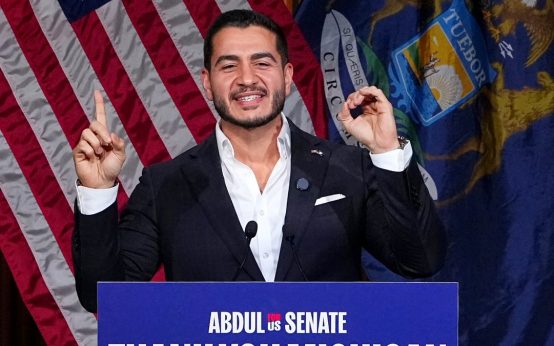 Senator-elect Abdul El-Sayed Criticizes Trump in Victory Speech
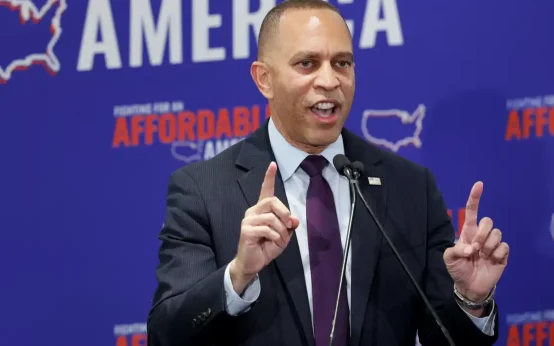 Hakeem Jeffries’ Potential Path to House Speakership
 Democrats Triumph in Key Elections Across the U.S.
 Election Results Overview
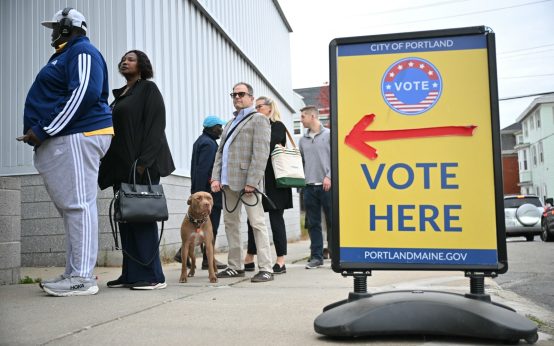 Democrats Achieve Significant Wins in Midterm Elections
 Democrats Achieve Historic Wins Across Numerous Contests