
The 2026 elections marked significant gains for Democrats with strong ties to religious communities. Five of their congressional candidates, either clergy or seminarians, successfully secured seats. This development highlights a remarkable trend in American politics, drawing attention to the growing presence of the “religious left.”
Democrat James Talarico, now a senator-elect, exemplifies this shift. His campaign was deeply rooted in faith-based dialogues. Last December, Talarico shared his perspectives at a Presbyterian church in Austin, reflecting a broader trend among Democrats embracing their spiritual values. This approach resonated with voters, contributing to his electoral success.
In addition to the clergy candidates, the election also saw a record number of Muslim Americans winning seats. This reflects an increasing diversity within the Democratic Party and the electorate’s willingness to support candidates from varied religious backgrounds.
These outcomes suggest a potential realignment in the political landscape, with faith playing a more prominent role in Democratic strategies. Observers of religion and politics point to these midterms as a pivotal moment, indicating a shift in how religious identity intersects with political engagement. This could influence future campaigns, as parties recognize the importance of addressing faith-driven concerns alongside traditional policy discussions.
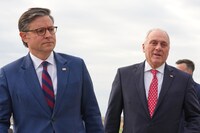 House Republicans Face Leadership Challenges Amid Stunning Losses
 Key Political Developments: A Detailed Overview
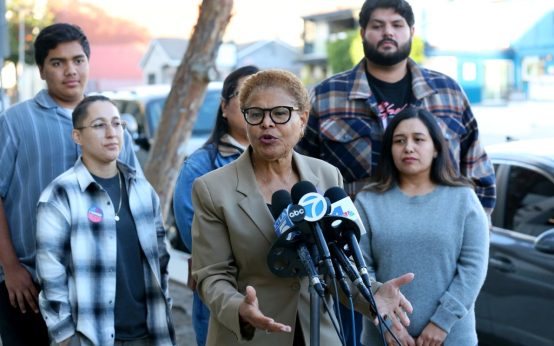 Nithya Raman’s Historic Victory in Los Angeles Mayoral Election
 Democratic Candidate Scott Colom Engages Voters Outside Trump Rally
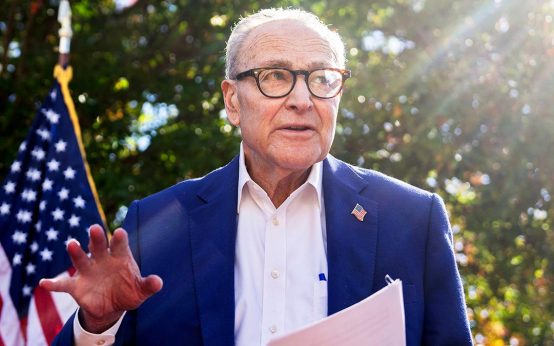 Senate Democrats to Decide Leadership Amid Mixed Support for Schumer
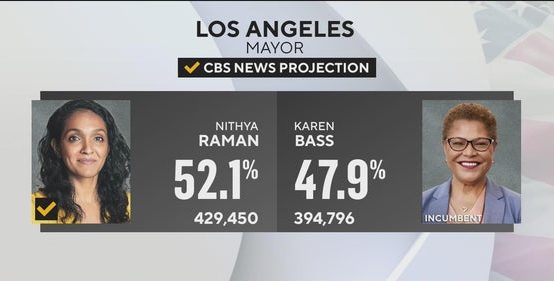 Nithya Raman Becomes Los Angeles’ Next Mayor After Victory Over Incumbent Karen Bass