
Recent research proposes that cannabis usage might date back to 2,800 years ago. This insight emerges from discoveries at a Siberian burial site known as Tunnug 1, where over 1,000 cannabis seeds were uncovered.
The Tunnug 1 site offers a glimpse into this ancient practice. It reinforces historical accounts attributed to the Scythians, a nomadic group, who engaged in unique cannabis-related rituals.
Greek historian Herodotus, writing in the 4th century B.C., documented one such ritual. He detailed how the Scythians would toss cannabis seeds onto heated stones, presumably to create smoke.
This historical context aligns with the archaeological evidence found at Tunnug 1, adding depth to our understanding of early human use of cannabis. The merging of historical texts with contemporary findings paints a clearer picture of how ancient cultures might have incorporated cannabis into their rituals and daily lives.
Such discoveries not only illuminate past practices but also provide a framework for considering the cultural significance of cannabis in history. The Tunnug 1 site continues to be a focal point for understanding the intricate connections between ancient peoples and their environments.
 Democratic Candidate Scott Colom Engages Voters Outside Trump Rally
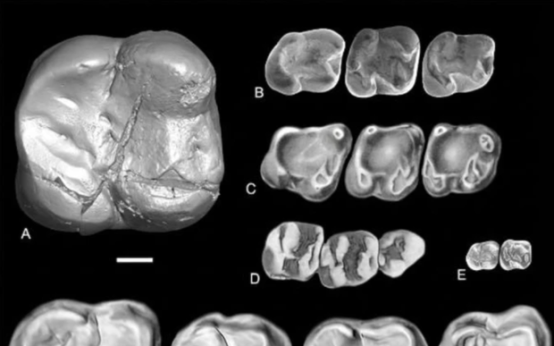 Discovery of a Giant Prehistoric Rodent in Southern Thailand
 Swift Observatory’s Final Journey Ends in Earth’s Atmosphere
 Coastal Flooding Highlights El Niño’s Impact on Southern California
 Radiation Risks for Satellites as Solar Storms Breach Boundary
 Study Explores Effects of Physically Interacting With Dogs on Stress