
Facing significant setbacks, some House Republicans are calling for leadership changes within their conference. After unexpected losses in several seats, a few Republicans have initiated efforts to replace the current leadership team.
On Wednesday, House Speaker Mike Johnson (R-Louisiana) announced he would not seek the minority leader role. Subsequently, Majority Leader Steve Scalise (Louisiana) declared his candidacy for the position. Scalise is being challenged by Rep. Jim Jordan (Ohio), who previously chaired the Judiciary Committee but is not aligned with Johnson’s inner circle.
House Majority Whip Tom Emmer (Minnesota) expressed his desire to remain as whip in the minority, where this role becomes the second-highest-ranking Republican position. Emmer faces a challenge from Rep. August Pfluger (Texas), chair of the Republican Study Committee, the largest GOP caucus in the House.
GOP Chair Lisa McClain (Michigan) is also facing competition from Reps. Erin Houchin (Indiana) and Greg Steube (Florida) for her position. McClain, mainly responsible for Republican messaging, has received criticism from her challengers but boasts endorsements from 40 sitting and incoming members.
Democratic Leadership Moves Unopposed
In contrast, House Democrats appear to be moving forward without significant internal opposition. Hakeem Jeffries (New York) announced his bid for the speakership and is widely anticipated to become the first Black speaker. Kathleen Clark (Massachusetts) aims to run for majority leader, and Pete Aguilar (California) intends to seek the whip position. These candidates are not expected to face strong challenges during the caucus elections on November 18 and 19.
 Key Political Developments: A Detailed Overview
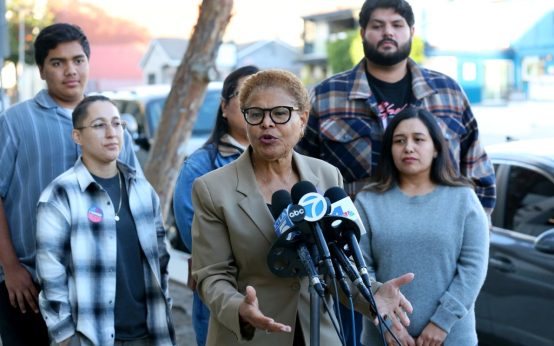 Nithya Raman’s Historic Victory in Los Angeles Mayoral Election
 Democratic Candidate Scott Colom Engages Voters Outside Trump Rally
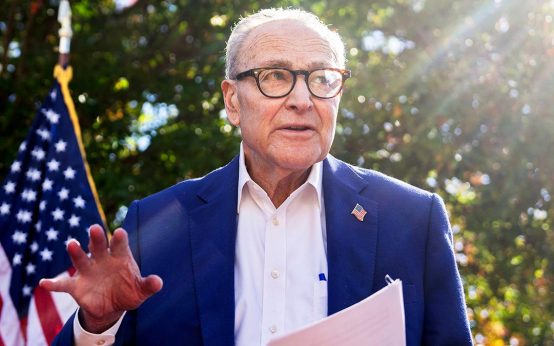 Senate Democrats to Decide Leadership Amid Mixed Support for Schumer
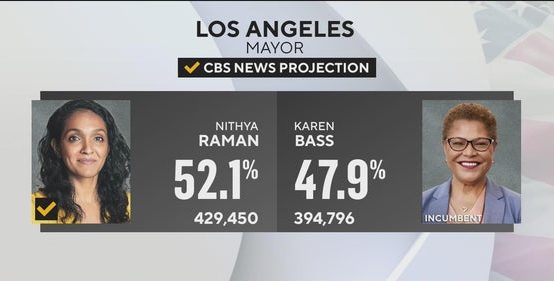 Nithya Raman Becomes Los Angeles’ Next Mayor After Victory Over Incumbent Karen Bass
 Resurgence of the Religious Left in U.S. Politics