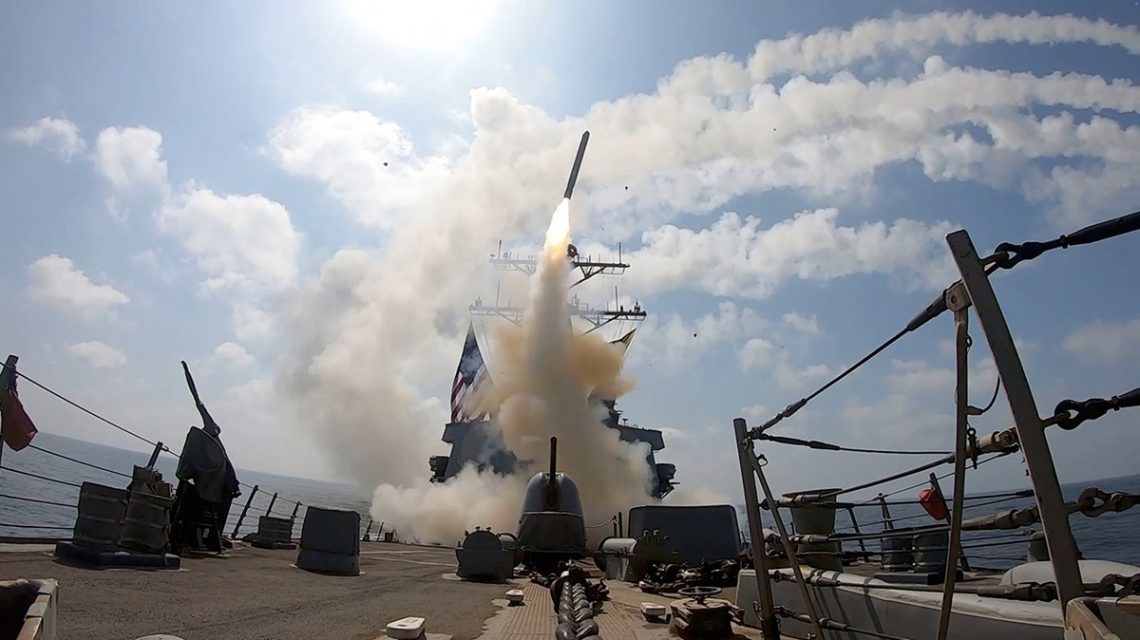
American voters have once again expressed dissatisfaction with the Republican Party’s handling of a military conflict in the Middle East. On November 3rd, they voted against Republicans due to an unpopular war in Iran, much like the backlash over the Iraq war in 2006. This time, Democrats gained control of both houses of Congress, seizing at least seven Senate seats, including key states such as Texas, Ohio, Kansas, and Iowa.
Vice President JD Vance placed responsibility for the Republican losses squarely on the Iran war, despite President Donald Trump’s attempt to mitigate blame. Vance asserted, “The reason we lost is the war,” highlighting the electoral repercussions of the conflict.
Trump acknowledged the role of the war in the party’s defeat but defended his actions, stating, “You can’t let Iran have a nuclear weapon.” However, the ongoing military action lacks a clear endpoint, leaving questions about its long-term objectives and achievements.
In February 2026, American forces initiated Operation Epic Fury to dismantle Iran’s military capabilities. Despite inflicting significant damage, military success does not equate to strategic success if public confidence wavers. This sentiment is reflected in a Fox News Voter Poll, where a substantial portion of voters deemed the Iran war crucial to their vote, with many believing the decision to attack was flawed.
The financial burden of the conflict is substantial. The Pentagon estimated war spending at $47.1 billion by mid-October, excluding repair costs for damaged bases, which could range between $5 billion and $15 billion. The economic implications and opportunity costs, like diverting a naval carrier from the Pacific, underscore the strategic complexities faced by Washington.
Beyond Iran, maintaining global commitments is crucial. As America’s main strategic rival, China requires attention and resources, complicating shifts in military focus due to conflicts elsewhere.
The elections have made it clear: public support is imperative for sustaining military ventures. Lessons from history, such as from former military leaders like Colin Powell who emphasized clear goals and public backing, highlight this necessity. Without these, military success cannot guarantee enduring peace or strategic gains.
Iran’s leadership, sensing a shift, may interpret the election results as a rebuke against war. Speaker Mohammad Baqer Qalibaf of Iran noted that Americans had “said NO TO WAR,” a message Washington must carefully address.
The ongoing debate among U.S. leadership presents pathways that could either escalate or de-escalate tensions. While some prefer diplomatic engagement, others, including Israeli allies, advocate for continued military pressure. President Trump faces an imperative decision on which strategy to pursue. A realistic victory could mean varying objectives, such as preventing nuclear armament or negotiating a stable resolution. Americans deserve clarity on this front.
With diplomatic channels still open, now is the time for reassessment before further military actions impose additional costs. The message from voters is unmistakable, calling for a reevaluation of current approaches to avoid repeating past mistakes.
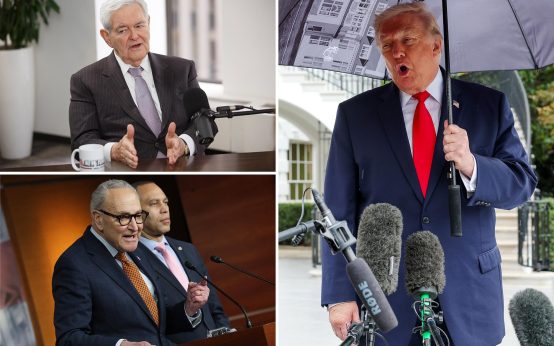 Gingrich Warns Democrats on Strategy After Midterm Success
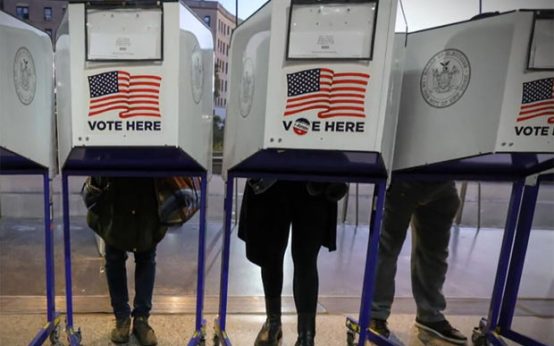 Understanding the Impact of America’s Election through Jon Meacham’s Perspective
 Trump Claims Advantage in Alaska Senate Race Amid Controversy
 Post-Election Gains Boost Indiana Democrats
 Controversy Surrounds Trump’s Proposed Military Triumphal Arch in Washington
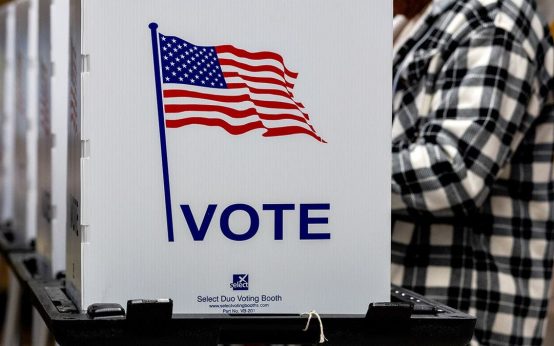 Democrats’ Midterm Gains May Lead to Changes in Presidential Election Process