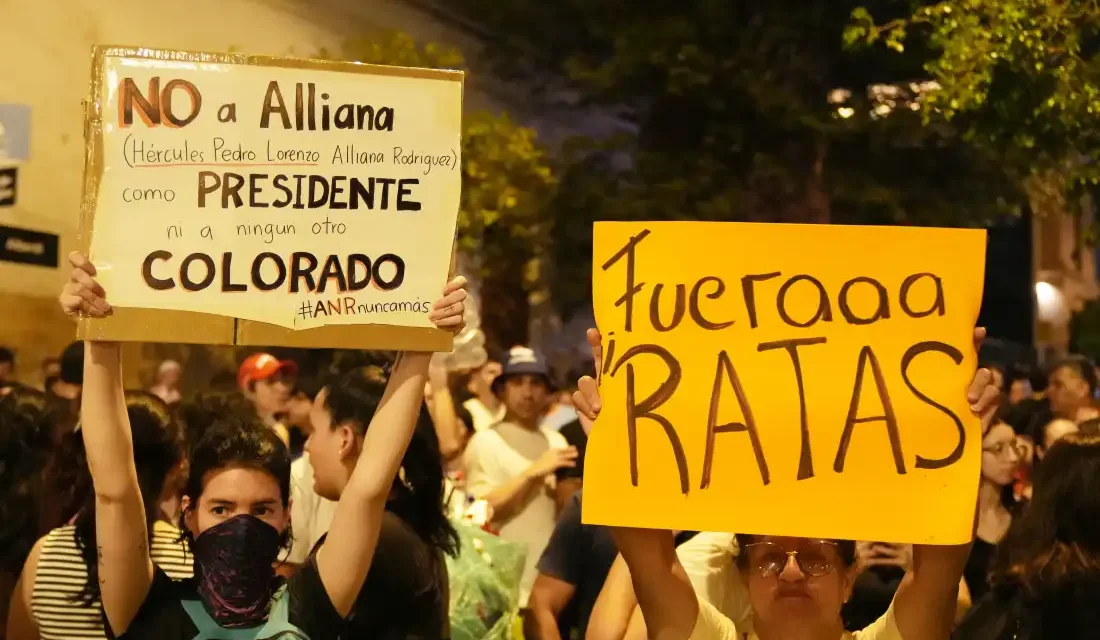
Protesters gathered outside Congress in Asunción, Paraguay, on Friday, Nov. 6, 2026, after the Senate impeached and removed President Santiago Peña due to allegations related to the collapse of Ueno Bank. Vice President Pedro Alliana was sworn in to succeed him.
The collapse of Ueno Bank, which interrupted services in the early hours on Tuesday, had immediate impacts on the Paraguayan population. The bank’s failure left millions unable to conduct everyday transactions. “People don’t have any trust,” said Elizabeth González, a 28-year-old barista in Asunción. Customers began to prefer paying in cash, displaying a lack of faith in banks.
Ueno Bank’s reach extended beyond shareholders; it reported having 2.9 million customers, accounting for approximately 60% of Paraguay’s adult population. According to the Central Bank, around 1.8 million depositors were affected. By Saturday, the state deposit guarantee fund advanced payments to nearly 1.2 million customers, though many remained without access to their money.
The situation also led to President Peña’s impeachment. The fallout revealed an internal power struggle within the ruling Colorado Party. Protesters expressed anger not only at their inability to access funds but also over broader accountability failures. Elodia Saveredo, a 71-year-old housewife and online handicraft seller, joined the protests to stand against what she viewed as a national issue.
Students like Batarram Caballero, president of the student center at the National University of Asunción, also voiced concerns. Students faced financial difficulties with frozen funds needed for essentials like transportation and food. “It’s very discouraging,” Caballero said.
Ueno Bank, initially a fintech launched in 2021, became a key financial institution by 2023 due to strategic marketing and digital conveniences. Caballero remarked on the aggressive promotion surrounding account deposits right before freezing occurred, indicating pre-existing signs of instability.
The bank managed significant public funds, including $355 million from the Social Security Institute. Questions arose on how a relatively new bank amassed such substantial public investments. Economist Manuel Ferreira highlighted issues around asset management, noting how loans were often directed to affiliates of the bank’s controlling owners, Grupo Vásquez.
Peña, personally linked to the bank’s holding company, faced scrutiny. As president, he held Ueno Holding shares, selling them later, raising questions of influence and potential conflict of interest.
Prosecutors charged Peña with breach of trust, alleging misuse of his presidential role to favor the bank. He resigned and was held in pretrial detention. Pedro Alliana took his place as the new president. Carlos Carvallo, former head of Ueno Bank and later of the Central Bank, was also arrested along with several Ueno executives.
The crisis has also drawn attention to Horacio Cartes, former president and political influencer. Cartes distanced himself from Peña, advocating for a thorough investigation and indicating a shift in political alliances within the Colorado Party.
For many protesting, the collapse signified a disillusionment with political establishments. Rodrigo Piatti, an activist, called for a change in political power and accountability. The event has impacted Paraguay’s reputation among international business stakeholders, as noted by exporter Eduardo López, observing diminished confidence among his contacts.
Looking ahead, student leader Lizza Lugo emphasized the need for political memory and change come the 2028 elections. “The laws apply differently to those who have money and those who don’t,” she commented, reflecting on the prevailing inequality and calling for tangible reforms in Paraguay.
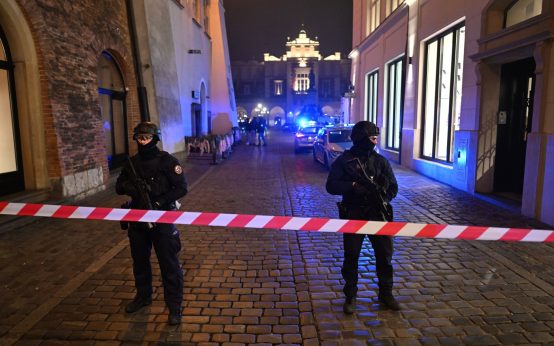 Suspected Shooter in Krakow Dies in Hospital
 Hotel Guest Finds Hidden Camera in Tokyo: A Cautionary Tale
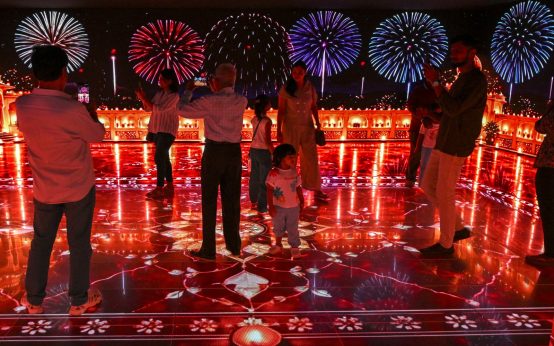 Far-Right Activists Disrupt Diwali Celebration Amid Rising Anti-Hindu Sentiment
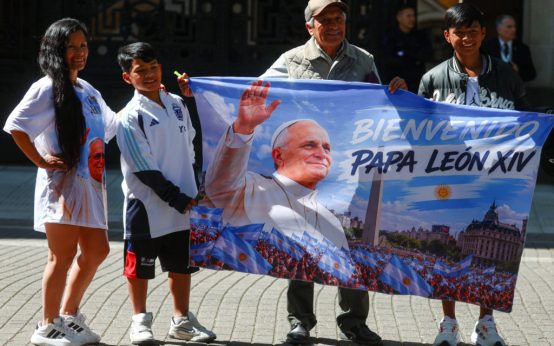 Pope Leo XIV Critiques Argentine Policies on South American Tour
 Tensions Rise in Philadelphia Over Controversial Boycott Ride
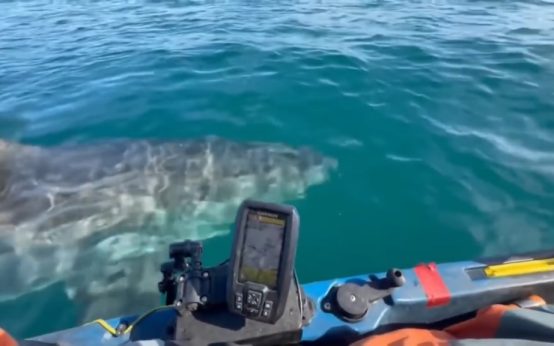 Fisherman Encounters Great White Shark in California