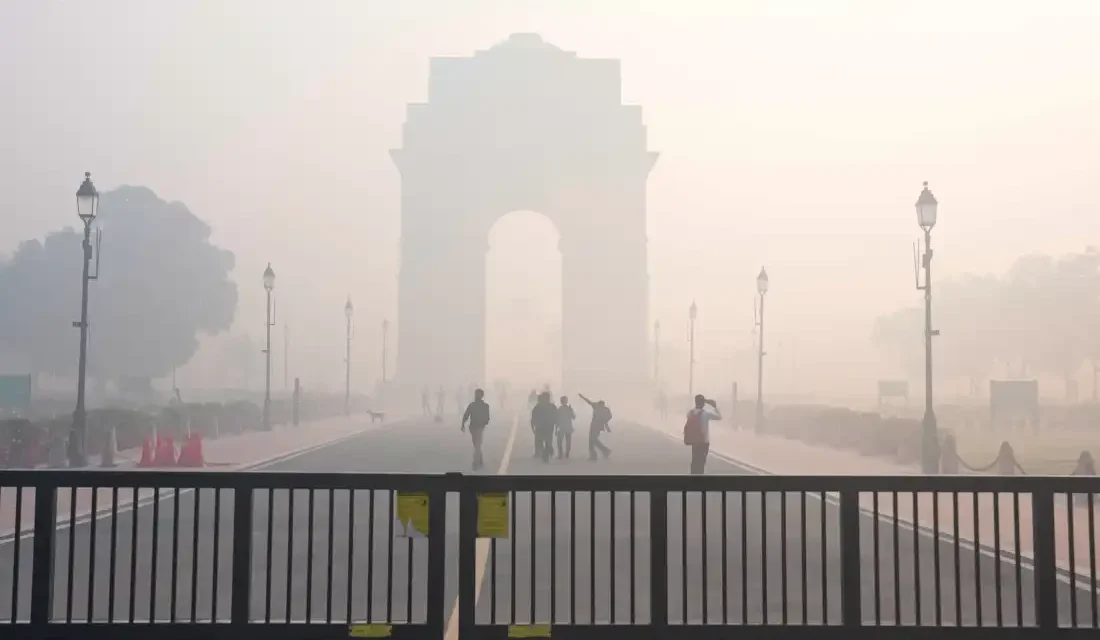
On Monday, a thick smog covered New Delhi following Diwali celebrations, during which firecrackers filled the night sky. The result compounded already high pollution levels, intensifying the annual air pollution crisis faced by the city every winter. Despite restrictions, residents celebrated the Hindu festival of lights with firecrackers Sunday night, contributing smoke and fine particulate matter to the atmosphere.
By Monday morning, the air quality index in several parts of New Delhi exceeded 350, entering the severe category. This level poses significant health risks. Monitoring stations reported alarming pollution levels throughout the city. Visibility worsened as a gray haze enveloped streets and buildings.
In an attempt to curb pollution, India’s Supreme Court had earlier introduced restrictions on conventional firecrackers, allowing only approved “green firecrackers” during specified three-hour windows over the weekend. These crackers produce fewer emissions but still release particulate matter.
Because of the pollution there is irritation in the throat and itching in the eyes,said Isyad, a resident of New Delhi.
The city and its metropolitan region house over 30 million people and regularly rank as some of the world’s most polluted areas during winter. The situation worsens as Diwali fires coincide with cooler temperatures and smoke from crop-residue fires in nearby Punjab and Haryana. Following rice harvesting, farmers burn leftover stalks to clear fields, and the smoke drifts into New Delhi, adding to pollution from vehicles, industries, and construction dust.
This becomes acute in late October and November when cooler temperatures, low winds, and stagnant conditions trap pollutants, creating a persistent haze. Various local sources also contribute to the pollution crisis.
Authorities have imposed measures to curb pollution, such as limiting construction and restricting diesel generators. However, these have failed to prevent returning severe pollution annually. Environmentalists argue that long-term solutions are necessary. Cleaner energy solutions and stricter vehicle emission controls are considered essential to prevent this recurring crisis.
Shweta Narayan, a public health expert from the Global Climate and Health Alliance, criticized the government’s response, describing it as “knee-jerk” and “temporary.” She noted that interventions only occur under pressure.
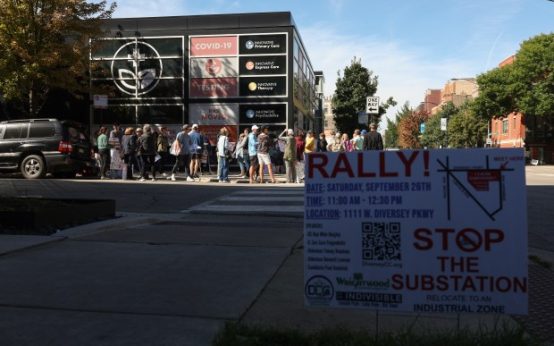 Residents Debate Over the Proposed ComEd Substation in Lakeview
 Reevaluating Flood Risks: Beyond Federal Maps
 SS United States’ Final Role as an Artificial Reef
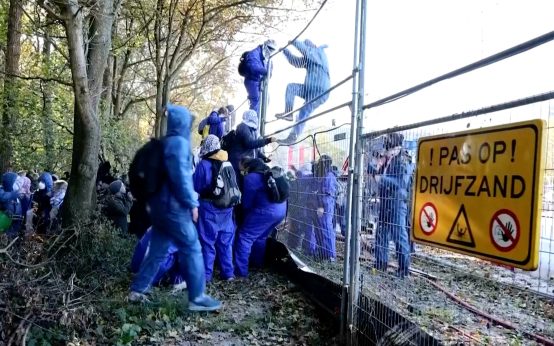 Protesters Target Microsoft Data Center Construction in Amsterdam
 Rising Wildfire Risks and Mitigation Strategies in the U.S.
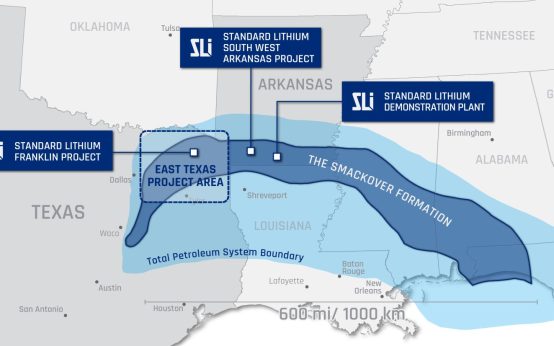 The Future of Lithium Production in the U.S.