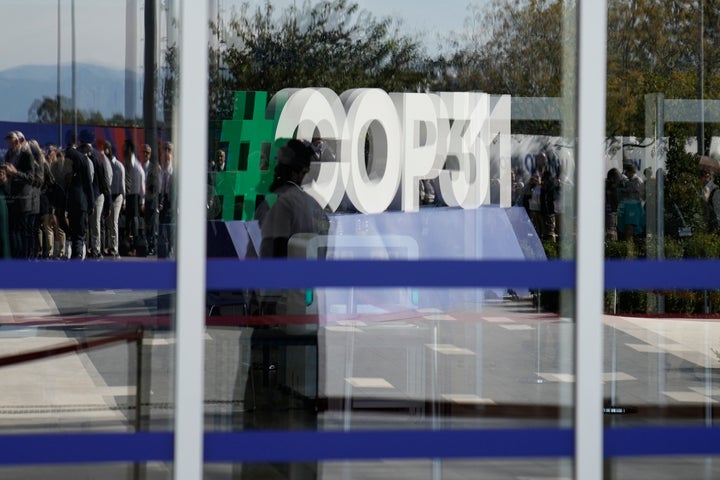
The U.N. climate summit, COP31, started in Antalya, Turkey. World leaders, delegates, and climate activists are discussing strategies to tackle climate change. Recent years have seen increasing temperatures and severe heatwaves in Europe and beyond. Disasters like the floods in Nepal highlight the urgent need for action.
This year’s summit is occurring amid the Iran conflict closing the Strait of Hormuz, causing a rise in global gasoline and oil prices. Such disruptions push governments to reconsider energy policies and invest more in renewable sources such as wind and solar power.
“COP31 must supercharge solutions,” stated Simon Stiell, the U.N. climate chief, at the opening session. Approximately 68,500 participants will attend the two-week event, with nearly 25,000 ensuring its smooth operation.
Stiell emphasized practical solutions like reducing methane emissions. Methane warms the planet faster than other gases, despite its shorter atmospheric presence. Switching to electricity powered by renewables instead of fossil fuels like oil, gas, and coal is crucial in managing global warming.
The delegates in Antalya are under pressure to develop new climate pledges while implementing past commitments. Climate scientists warn that global temperatures are likely to rise beyond 1.5 degrees Celsius above preindustrial levels. This target was set during the 2015 Paris Agreement as a cap on global warming.
Realizing the 1.5-degree goal seems increasingly unattainable, underscoring the challenges of cutting greenhouse gas emissions released from burning fossil fuels.
“This is the first COP where it is clear that the world will overshoot the 1.5-degree target,” said Turkish Environment Minister Murat Kurum, the COP31 president. “We will not look away, and we will not lower our ambition.”
Kurum aims to turn previous climate commitments into action, introducing an “Action Agenda.” This includes reducing methane emissions and designing climate-resilient cities. Another goal is to increase renewable electricity use from 21% to 35% by 2035 to cut greenhouse emissions.
“Success begins when our decisions reach that last mile,” said Kurum. “If we are to share a future, we must share the responsibility for it.”
During the Nov. 9-20 summit, delegates will also address how poorer nations can afford to adapt to rising temperatures and transition away from fossil fuels.
Despite speeches on ambition, negotiators from nearly 200 countries debated funding for climate adaptation and disaster recovery. Developing countries demand clarity from wealthy nations on funding commitments made during the 2015 Paris talks.
Leaders from developing regions, backed by many countries, stressed the need for financial support while wealthy nations showed reluctance.
Past summits, like COP30 and COP29, faced criticism for not achieving consensus on reducing emissions. However, COP28 in Dubai saw an agreement to move away from fossil fuels.
The U.S., a leading global polluter, is not participating, having withdrawn from negotiations since Donald Trump’s presidency.
“No single COP is a silver bullet that can stop climate change overnight,” stated Stiell. “But every recent COP has made essential progress. COP31 in Antalya will, too.”
In an unprecedented move, Turkey and Australia partnered for the summit, with Turkey as the host and Australia leading negotiations. Both countries have been criticized for their coal dependency.
The Associated Press covers climate issues with support from private foundations. AP maintains editorial independence over its content.
 Smog Engulfs New Delhi After Diwali, Heightening Pollution Crisis
 Residents Debate Over the Proposed ComEd Substation in Lakeview
 Reevaluating Flood Risks: Beyond Federal Maps
 SS United States’ Final Role as an Artificial Reef
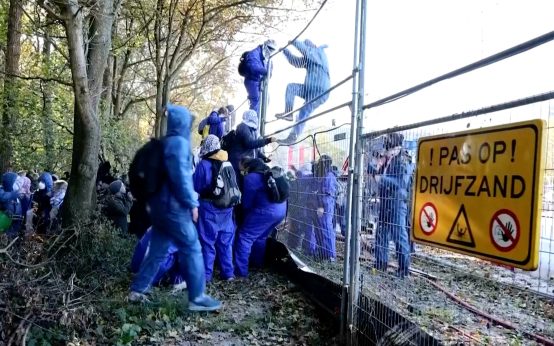 Protesters Target Microsoft Data Center Construction in Amsterdam
 Rising Wildfire Risks and Mitigation Strategies in the U.S.