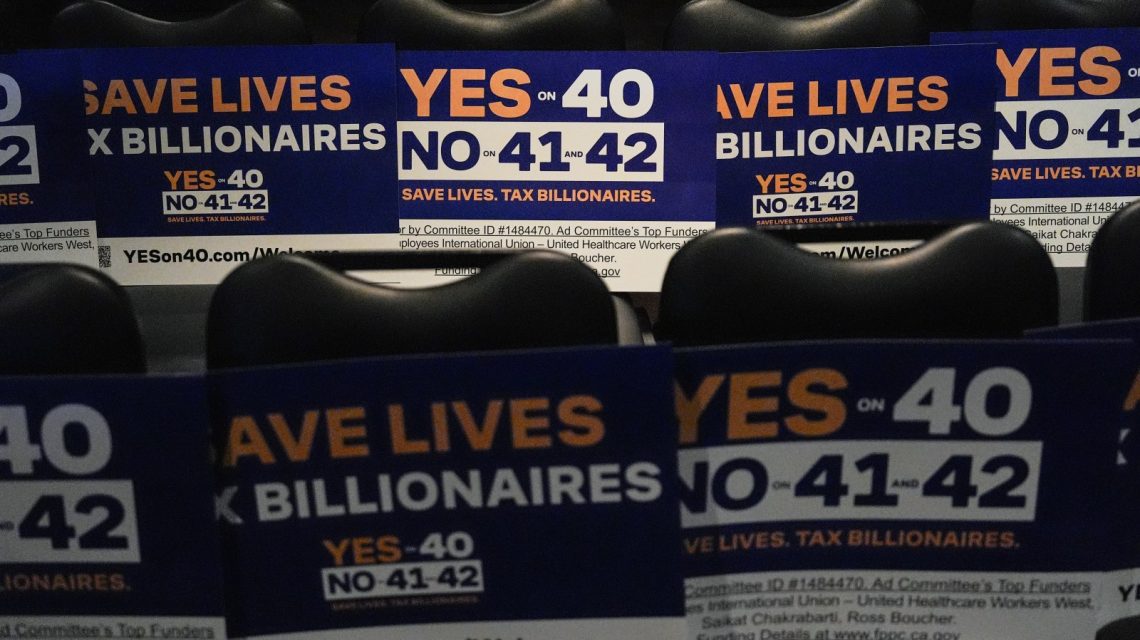
California voters have voted down Proposition 40, preventing the state from becoming the first in the nation to impose a tax on billionaires based on their net worth. The Associated Press confirmed the decision six days post-Election Day.
Political Divide Heard at the Top
The result highlights a division among key Democratic figures. California Governor Gavin Newsom, contemplating a 2028 presidential candidacy, opposed the measure. He expressed concerns that such a tax would drive wealthy residents away. On the other hand, progressive lawmakers like Senator Bernie Sanders and Representative Ro Khanna were vocal supporters of the proposal.
According to early counts from the Secretary of State as of 5:14 p.m. Monday, 5,789,026 voters (52.9%) opposed the measure while 5,159,356 (47.1%) supported it.
Fundraising Disparities and Financial Contributions
Opponents largely out-fundraised proponents. The group Building a Better California led the opposition and amassed over $333 million. Sergey Brin, co-founder of Google, alone contributed more than $100 million to this effort.
Details on Rejected Proposition
The intended single-time tax, effective on billionaires residing in California as of January 1, 2026, was set at 5% of their net worth, payable in 2027. According to the nonpartisan Legislative Analyst’s Office, 90% of the proceeds would fund healthcare. The remaining funds would be allocated to education, food assistance, and administrative costs.
The union backing the measure, SEIU-United Healthcare Workers West, projected revenue of about $100 billion. However, estimates from the analyst’s office suggested “tens of billions of dollars” over several years, with a potential insignificant ongoing decrease in state income tax collection of less than $1 billion annually.
Economic Projections and Debates
Economists presented conflicting projections. A Hoover Institution report anticipated $30 billion from the tax, markedly lower than the union’s estimate, partly due to 30% of potential taxpayers already exiting the state. Factoring in lost income tax from departing billionaires, the net value to the state was estimated at negative $38.9 billion.
In contrast, a paper from the National Bureau of Economic Research, co-authored by one of the measure’s drafters, projected the tax could generate about $100 billion. According to this study, billionaires pay about 0.2% of their wealth as state income tax annually, equating to roughly $3.2 billion, or 2.4% of the state’s income tax revenue.
Countermeasures and Future Implications
Building a Better California also supported Propositions 41 and 42, designed to conflict with the wealth tax. If either received more affirmative votes than Proposition 40, courts might have obstructed the billionaire tax. Eventually, the provisions were unnecessary to halt the measure, though Proposition 42 may endure. It aims to prohibit new taxes on financial assets and most retroactive taxes in the state constitution. As of 5:14 p.m. Monday, it led with 51.7% “yes” votes.
Some targeted billionaires, like Google co-founders Brin and Larry Page, had already begun relocating before the tax residency cutoff. Meanwhile, Meta CEO Mark Zuckerberg remained in California, offering to stay for eight years in return for non-voting shares to manage his tax burden.
Democratic Differences on Wealth Taxation
Sanders endorsed the tax, stating in December 2025 that the country needed broader wealth distribution. Khanna labeled Proposition 40 as “the most crucial ballot initiative in America” in an October statement. Newsom, meanwhile, urged for a federal minimum tax on the wealthy, beginning at a net worth of $100 million. He acknowledged inequality’s importance but fundamentally disagreed on the measure.
Polling Insights and Future Steps
Pre-election polls suggested a tight race. An October UC Berkeley poll showed 45% support for the measure, 43% opposition, and 12% undecided. Should Proposition 42 pass, any future wealth tax proposals would require constitutional amendments.
Labor leaders viewed the campaign as an initial move. As votes continued to be counted, California Federation of Labor Unions President Lorena Gonzalez described it as a demonstration for other states. Although results remain uncertified, Newsweek attempted to contact Building a Better California, SEIU-United Healthcare Workers West, and Governor Newsom’s office for comments on Monday night.
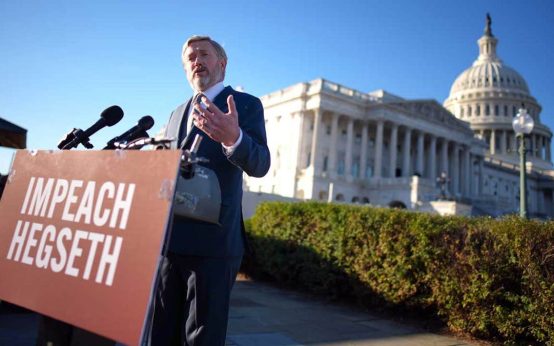 Trump Backs Pete Hegseth Amid Impeachment Efforts
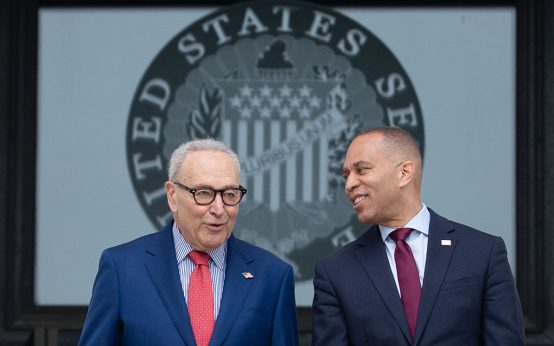 Trump Considers Immigration Deal as Democrats Seek Assurance
 The Influence of Film Subsidies on Speech and Markets
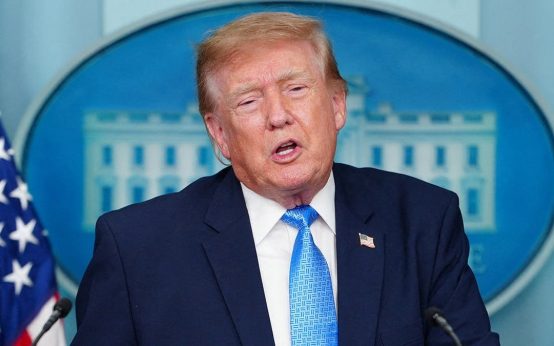 President Trump Discusses Immigration, Deportation, and International Relations
 Katie Miller’s Countdown Sparks Controversy
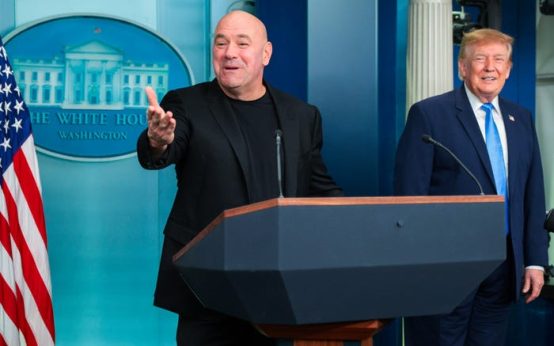 Dana White Declines White House Press Secretary Role Amid Unfilled Vacancy