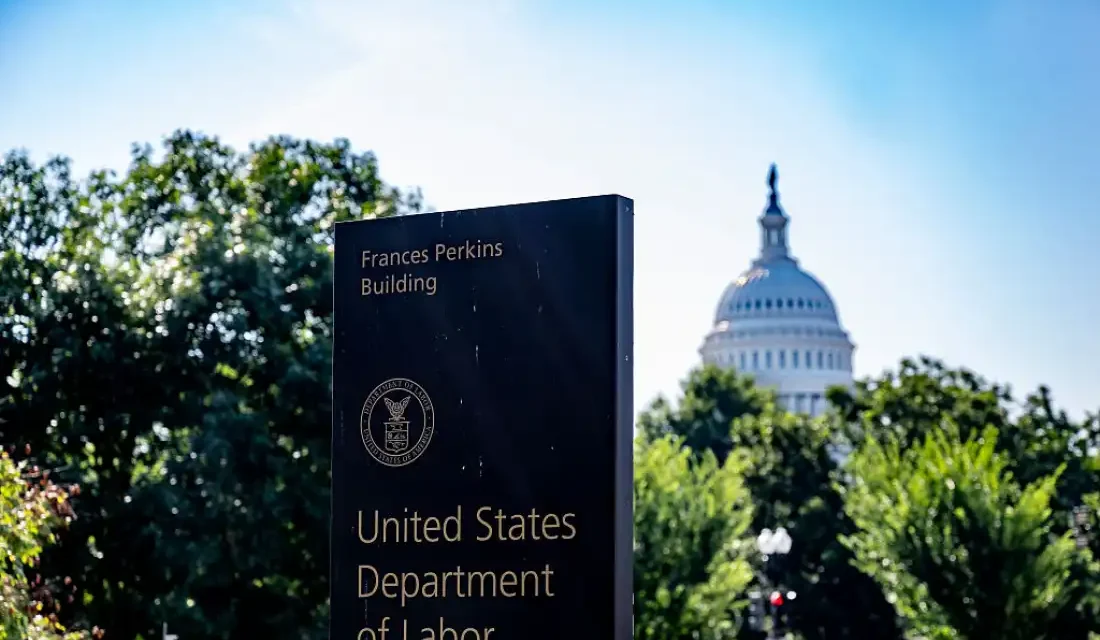
The U.S. Supreme Court is considering a pivotal case that could challenge the authority of federal regulatory agencies to impose fines on businesses violating federal laws. This case could alter how agencies like the Department of Labor (DOL) enforce rules.
Farmers have long used a federal program allowing the temporary employment of migrant workers for tasks like crop picking. Along with wages, employers must provide fundamental needs such as housing and meals. The DOL oversees compliance to prevent foreign workers from undermining domestic laborers’ roles.
The DOL fined Sun Valley Orchards, a New Jersey-based company, $500,000 for unsanitary conditions. These included unsafe drinking water, overcrowded housing, broken facilities, and unpaid wages. Sun Valley disputes the fines, arguing that the DOL’s administrative penalties are unconstitutional and bypass jury trials in federal court appeals.
At the Supreme Court hearing, Chief Justice John Roberts indicated that the reach of the executive branch, including past administrations, might have overstepped into judicial domains. Addressing Deputy Solicitor General Sarah Harris for the DOL, Roberts expressed skepticism over the broad use of executive authority.
Justice Sonia Sotomayor questioned the potential impact if courts, rather than agencies, enforced laws, suggesting it might be disruptive. Harris warned that mandatory court involvement for penalties could affect various programs such as Medicare and federal student loans. Justice Elena Kagan inquired why court adjudication isn’t always pursued, to which Harris replied that it would lead to reduced enforcement due to resource constraints.
Representing Sun Valley, lawyer Robert Johnson argued that statutes mentioning penalties do not specify their adjudication location, suggesting courts should handle them. Justice Ketanji Brown Jackson countered that Sun Valley’s stance opposes Congressional intent to prevent foreign workers from undercutting U.S. workers.
Justice Brett Kavanaugh expressed concern over the lack of clarity in Sun Valley’s argument, calling it systematically poor for future governance. Justice Samuel Alito criticized the proposal as confused and inconsistent, prompting a humorous exchange with Justice Kagan.
Deputy Solicitor General Harris candidly acknowledged the grave consequences of a government loss, indicating it could lead to legislative upheaval. She stressed the urgency for clarification from the Court to prepare legislative actions if needed.
 Rachel Maddow’s Concerns on Immigration Detention Centers
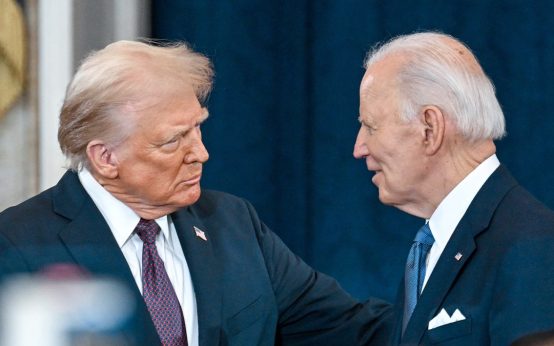 Biden’s Memoir Reveals Unexpected Letter from Trump
 Maria Elvira Salazar Secures Win in Florida’s 27th District
 Kennedy Family Opposes Trump’s Proposed Arch Near Arlington Cemetery
 Turning Point USA Spokesman Advocates Against Political Violence Amid Controversies
 Nvidia CEO Jensen Huang’s Scandal and Its Impact on AI Development