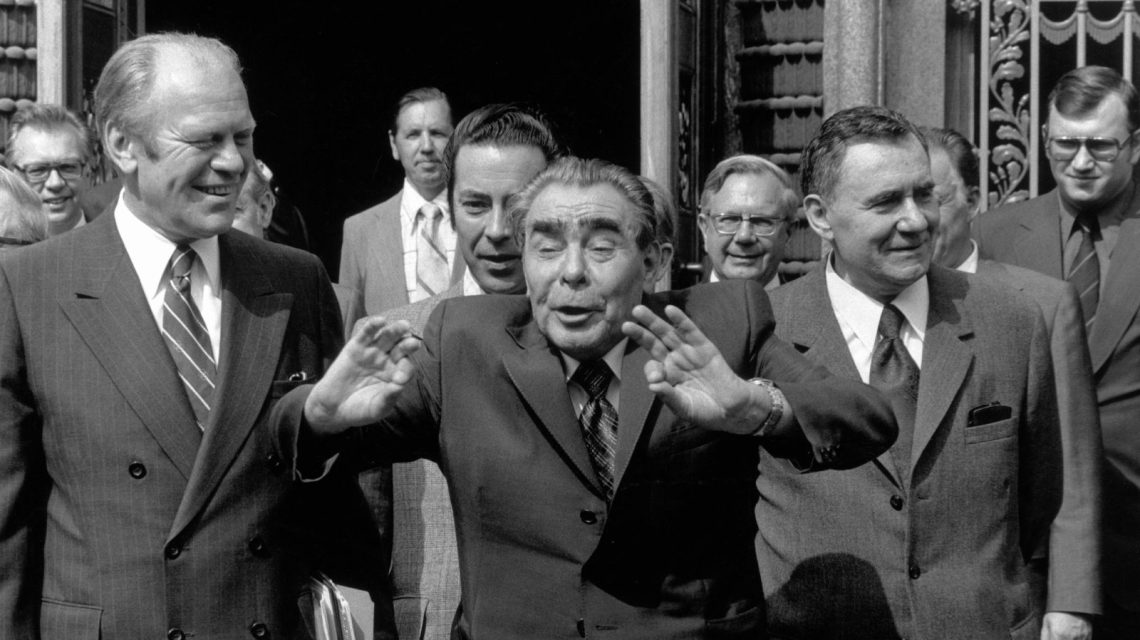
Russia’s chief negotiator, Vladimir Medinsky, had significant objectives at the recent talks in Abu Dhabi with representatives from Kyiv and Washington. His focus was on forming a comprehensive European security system, a concept he sees as a modern version of the Yalta and Potsdam agreements, infused with the principles of the Helsinki Accords of 1975. The Helsinki Final Act involved 35 countries, including the U.S. and the Soviet Union, establishing shared European security rules. It was a diplomatic triumph for Moscow at the time. Now, Russia aims to base the next European security framework on these Helsinki principles.
However, Russia’s actions have contradicted Helsinki’s commitments over the last decade. The Helsinki Accords included several key principles:
Principle I: Recognized each state’s sovereignty and right to choose its own political and security arrangements, including military alliances or neutrality.
Principle II: Banned the use of force against another state’s territorial integrity or political independence.
Principle IV: Prohibited acquiring territory through force or military occupation in violation of international law.
Russia’s annexation of Crimea in 2014 and the full-scale invasion of Ukraine in 2022 violate these principles. Russia has annexed four additional Ukrainian regions, which remain under dispute. Moscow demanded Ukraine’s NATO pledge abandonment, enforcing permanent neutrality as a peace condition. Although Helsinki did allow for neutrality, it clearly stated that sovereign states should make these decisions independently, not under duress from powerful neighbors.
The Kremlin’s Perspective
Russia presents a distinct narrative regarding how the conflict in Ukraine began. Moscow traces the issue back decades, viewing actions by the West as systematic security erosion. Medinsky and other officials argue that Russia’s proposals in December 2021—seeking NATO to deny Ukrainian membership and limit military actions in Eastern Europe—remain a part of its negotiating stance.
Evgeny Buzhinsky, a retired Russian lieutenant general and military treaty negotiator, views NATO’s defensive assurances with skepticism. He claimed that Russia wants guaranteed durable peace through a new European security structure. The Helsinki Accords and the 1999 Charter for European Security emphasize the indivisibility of European security, stating that one country’s security must not compromise another’s. Moscow believes NATO’s expansion and military aid to Ukraine breach this principle.
The Future of European Security
Despite Russia’s calls for negotiations, its exclusion of European parties seems inconsistent with creating a new security system inspired by Helsinki. Medinsky reported having no dialogue with European representatives, arguing Europeans must first revise their attitudes. Factors contributing to this include a perceived bureaucratic indecisiveness within the European Union and Russia’s belief in an anti-Russian sentiment among European political leaders.
Buzhinsky criticized European rhetoric and questioned the possibility of negotiating with what he described as a hostile European Union. Nonetheless, the U.S., represented by Jared Kushner, stressed the importance of European participation in future talks, though he mocked their current ability to unify under a single representative.
 Trump Adjusts Diplomatic Approach with Iran
 U.S. and Russian Diplomatic Meetings in Moscow and Starshield Key Issues
 Rep. Jim Himes Plans Tightened Oversight of Spy Agencies
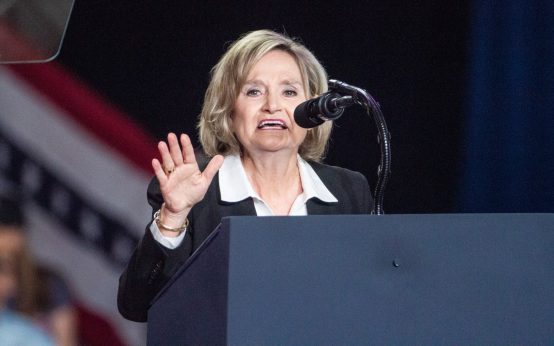 Scott Colom’s Victory Over Cindy Hyde-Smith in Mississippi
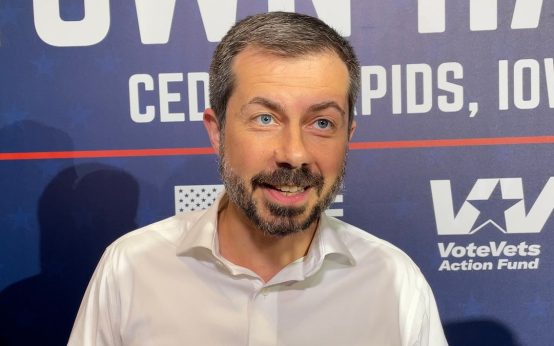 Democrats Convene in Denver to Chart Future Course
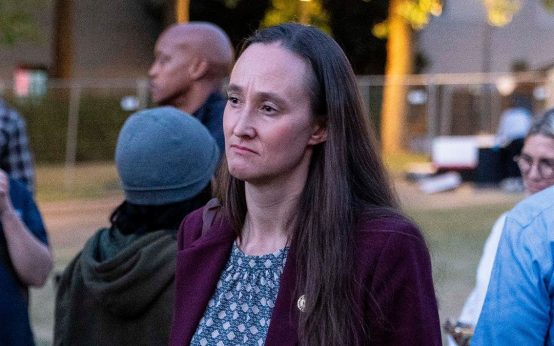 Seattle’s Response to Initiative 638 and Legal Implications