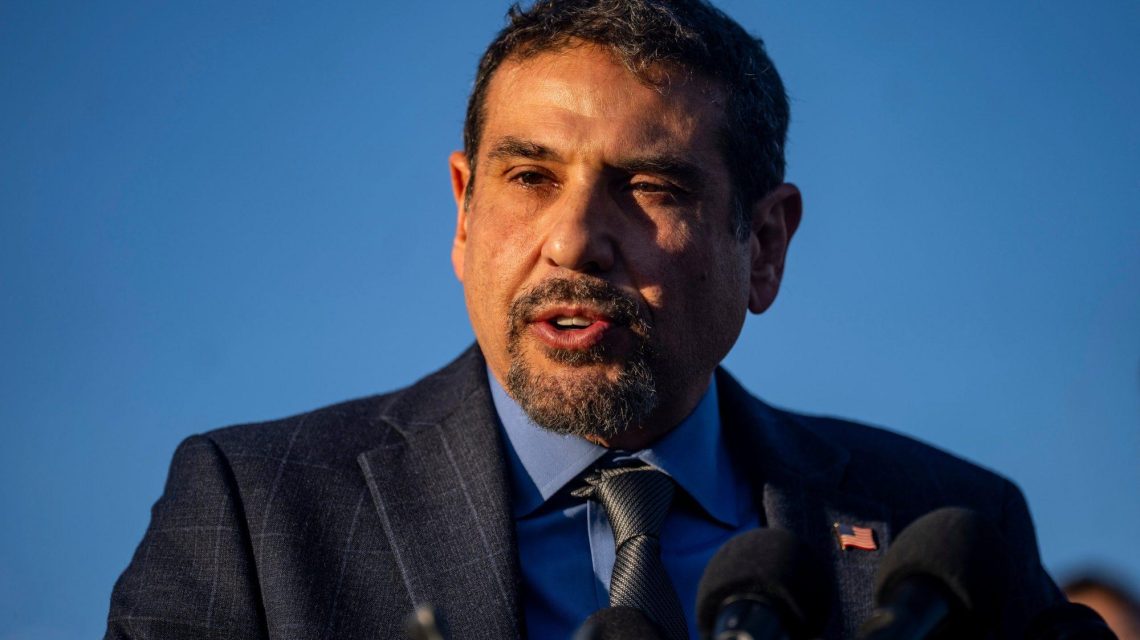
In a recent news conference at the US Capitol, Rep.-elect Adam Hamawy, a Democrat from New Jersey, drew attention by refusing to label Iran as an adversary. Speaking on CNN, Hamawy suggested that the United States had instigated conflict with Iran, challenging the long-standing tensions. This stance, along with Hamawy’s controversial background, has raised questions about the current state and direction of the Democratic Party.
Over the years, groups like the Democratic Socialists of America have gained significant influence within Democratic politics. Their efforts to replace the party establishment with candidates sharing their worldview have been increasingly evident. This shift has been met with little resistance from established leaders, who appear hesitant to challenge these emerging voices.
Journalist Jon Levine highlighted Hamawy’s contentious history, including his role as a defense witness in the 1995 trial of Omar Abdel-Rahman, who was implicated in the 1993 World Trade Center bombing. Despite serious questions surrounding Hamawy’s past, Democratic opposition to his candidacy remained muted. Fears of being labeled Islamophobic and the inability to unite around a strong alternative candidate contributed to this silence.
“I wrote multiple articles alerting to Hamawy’s connections with Islamic terrorism, yet it was ignored,” Levine noted. “Even opposing campaigns feared being perceived as Islamophobic.”
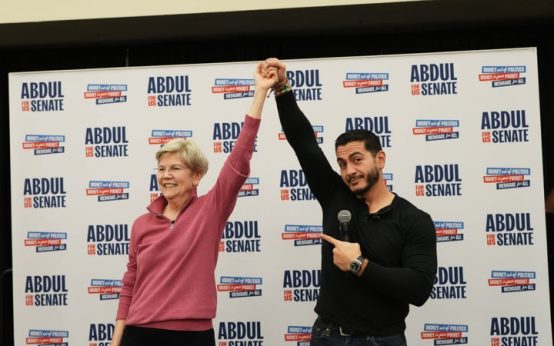
This reluctance to confront issues is not isolated to New Jersey. For instance, in Michigan, the Senate Majority PAC, linked to Chuck Schumer, reportedly invested heavily in Abdul El-Sayed’s Senate campaign. Yet, after winning, El-Sayed suggested that new leadership was necessary for Senate Democrats, reflecting a broader push for change within the establishment.
The Democrats’ support of candidates like Hamawy and El-Sayed underscores a larger trend. The party’s traditional leaders seem willing to invest financially in candidates who might not align with their long-term strategic interests. Meanwhile, outside groups have been pouring significant resources—like the approximately $1.8 million reportedly spent on Hamawy’s campaign—into backing candidates aiming to transform the party from within.
The current scenario suggests that the Democratic establishment may be inadvertently laying the groundwork for a major ideological shift. While the Democratic Socialists have been open about their intentions, the party’s leadership has been slow to respond, potentially reshaping its future trajectory.
Bethany Mandel, a writer and commentator for The Mom Wars, continues to explore these developments, providing insights into the dynamics within the Democratic Party.
 Democrat Scott Colom Wins Historic Senate Race in Mississippi
 Diverse Developments Across U.S. Politics and Business
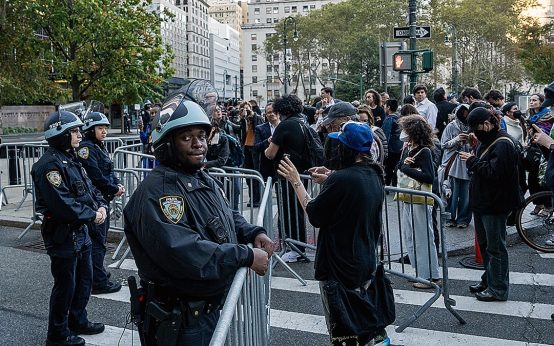 New York City Mayor’s Plan to Disband NYPD’s Response Unit
 Progressives Claim Center Stage in Democratic Party After Election Wins
 Trump Redirects Vance from Iran Talks, Targets Democrat-run States
 Update on Current Events: Technology, Health, Labor, and More