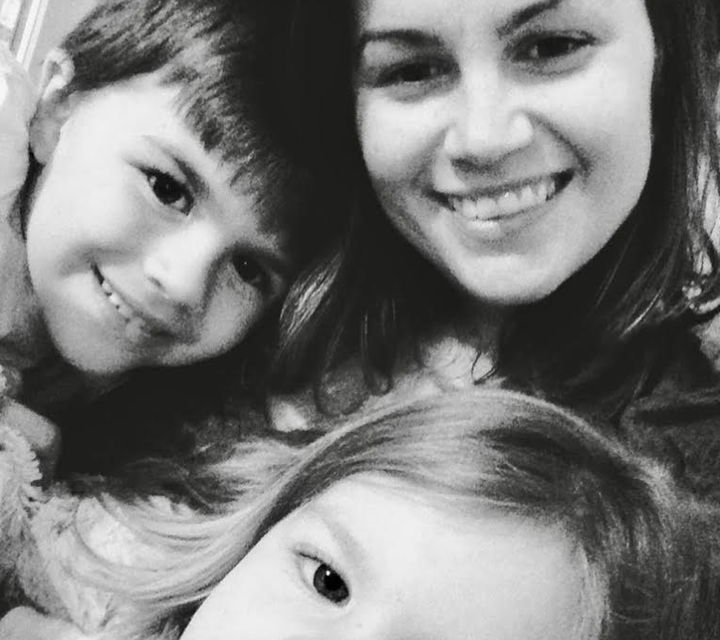
On October 28, 2015, I left my high school teaching job early, suspecting the flu. I’d been feeling unwell for a while, attributing it to allergies, headaches, and exhaustion from work and parenting. Despite this, by that day my head wasn’t only aching, it was burning. Movement became difficult and I felt lightheaded and weak. Even faint smells nauseated me. At the school nurse’s office, I learned about my fever and decided to go home. I left accompanied by my teaching friends, keeping my head down to avoid the bright lights and stale smells. I wouldn’t return to work for 15 months.
After returning home, I crawled into bed, thanks to a fortuitous arrangement that had my ex-husband with the kids that day. I drifted in and out of sleep, periodically waking for water or bathroom breaks. My fever and lethargy worsened. At one point, realizing my kids needed to be picked up from school, I called my mom for help. “Please do the pickup for me,” I requested. My mom expressed concern, urging me to see a doctor. Later, I heard loud voices around me, like my deceased aunt and grandmother shouting. I also saw visions of black bats as sunlight filtered through my room. Panic set in. Was I dying? I knew I needed help.
I reached out to my then-boyfriend, calmly explaining that I needed to go to urgent care. He drove me to the nearest hospital. Upon arrival, I vomited and collapsed into a chair while waiting for examination. After several tests, a doctor informed me of a mass on my brain, necessitating further evaluation. Calls made by my sister, a nurse, resulted in an ambulance transfer to the Hospital of the University of Pennsylvania. There, doctors diagnosed a brain infection, initiating antiviral treatment. My brain was inflaming rapidly, placing me hours from slipping into a coma.
“I was very sick and scared, but relieved to be back together,” writes the author about reuniting with her children, courtesy of Brigid Ward.
After numerous tests, doctors identified my condition as herpes simplex virus encephalitis. The herpes simplex virus type 1 (HSV-1), affecting 3.7 billion people globally, typically causes cold sores. However, in a rare few, it infects the brain. Scientists are uncertain why this occurs, yet outcomes can include long-lasting symptoms, neurological damage, or death.
I experienced cold sores twice in my life. The first was at my grandfather’s funeral at age 16. The second occurred during college, amid a bronchitis battle. Though rare, once contracted, HSV-1 resides dormant in the body, posing potential outbreaks. I never anticipated the virus infiltrating my brain.
Ever inquisitive, I confronted the doctor about my shocking diagnosis. “How did this happen?” I asked. “You did nothing wrong,” he replied. He described my case as a fluke, noting its rarity among non-elderly adults. Struggling to understand, I scoured the internet for explanations, finding few answers and a sense of isolation.
The days in the hospital remain a blur. I recall the neurologist and visiting loved ones, though precise memories escape me. While recuperating, projecting concern for my students, I communicated with my school. My priority lay in acquiring care for my appearance before my young children visited, their absence marking our first lengthy separation. Seeing me as bedridden left them with memories of my unkempt state.
Treatment comprised acyclovir, administered during the virus’s critical early days in the brain. Had treatment been delayed, blindness or coma loomed—though damage occurred, timely administration averted more severe outcomes. Acyclovir therapy continued post-discharge, assisted by a visiting nurse. Additional treatments included antibiotics, steroids, and medications addressing pain and nausea.
Adjusting post-hospital, I found solace within support groups. Recovery varied, as every brain, case, and symptom differs. Common effects include chronic fatigue, memory loss, and emotional swings. Progress can fluctuate, with good days meeting the needs of daily life, and bad days demanding rest.
Initially needing months to stabilize, I navigated rehabilitation with continuous medical consultations, therapy, and personal development. Facing ongoing challenges requires using executive functioning strategies—setting priorities, maintaining organization, and granting oneself grace when mistakes occur.
“Seven years ago, I couldn’t imagine climbing hills,” expresses the author during a family hike, thanks to Brigid Ward.
Post-encephalitis, life altered irreversibly, yet certain priorities remain constant. Cherishing moments with my children, each exchange holds significance, fostering connection amidst adversity. While encephalitis has taken parts of me, it gifted awareness and appreciation for life’s small joys. Every day, despite obstacles, is met with gratitude and hope.
The essence of who I am remains intact—resilient, grateful, and enriched through life’s trials. Despite challenges, I’m thankful for each new day, gathering strength from memories and moments.
Brigid Ward, a high school English educator, explores the human experience through personal essays. Engaged in educational and literary communities, she collaborates with her daughter on a chapter book. Residing outside Philadelphia, family inspires her journey. Reach Brigid at [email protected].
 Early Thanksgiving Week Volunteers Deliver Meals
 Reflections on Relationships and Marriage
 Trump Gives Unexpected Push to El-Sayed’s Universal Health Care Proposal
 Christina Applegate Raises Concerns About Breast Implants and MS Symptoms
 Concerns Rise Over Tear Gas and Reproductive Health in France
 Tony Shalhoub on Family, Food, and Films