
The U.S. government has announced a new rule to block remote access to advanced AI chips and servers. This move aims to close a gap allowing adversarial nations to use American AI technology via foreign data centers.
This action comes amid a controversy involving Nvidia, a leading AI chip maker. Recent reports reveal CEO Jensen Huang’s involvement with a woman suspected to be a Chinese intelligence operative. Although these claims are not verified by NPR, Huang resigned from his position last week.
Alice Huang, unrelated to Jensen Huang, is a former executive at Megaspeed International. This Singapore-based data center company is under suspicion for facilitating remote access to U.S. AI chips for Chinese companies. The extent of Alice Huang’s influence on this issue remains unclear.
“The United States is the global leader in advanced computing and super intelligence technology and is committed to promoting the global adoption of American technology for legitimate commercial purposes while ensuring that sensitive technologies are not exploited in ways that threaten U.S. national security,” said in the BIS statement.
Megaspeed operates in Singapore and Malaysia, stating its operations are lawful. They have hired outside legal experts to review internal processes. They assert their business practices are above board.
The rapid progress in cloud and AI technologies enables remote access to U.S. computing from data centers overseas, including those not directly subject to U.S. restrictions. A potential loophole allowed remote access to restricted chips, even with physical sales bans to China enforce.
Since October 2022, U.S. businesses have required a BIS export license to sell advanced chips to China, affecting Nvidia chips and high-performance semiconductor components.
The Trump administration previously resisted curbing foreign access to U.S. AI tech, despite a Biden-era framework to regulate AI chip exports. This framework, proposed in 2025, aimed to address risks by limiting chip access to countries deemed security threats and requiring export licenses.
The White House concerns over Jensen Huang’s relationship arose in late 2025. Both Huang and Commerce Secretary Howard Lutnick will testify before Congress, shedding light on what Trump knew and any subsequent actions.
According to Rep. Yvette Clarke, more investigations will likely follow. She stresses the importance of uncovering all facts to prevent future security compromises.
 Highlights from Recent News Stories
 Lego Fortnite Supply Llama: A Tween’s Dream Gift with Huge Savings
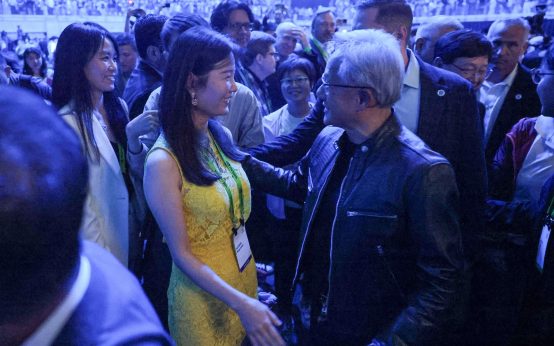 Jensen Huang’s Controversy Highlights Challenges for Corporate America
 Pentagon Releases Declassified UFO Files with Intriguing Plans and Reports
 Federal Agencies Face Cybersecurity Challenges
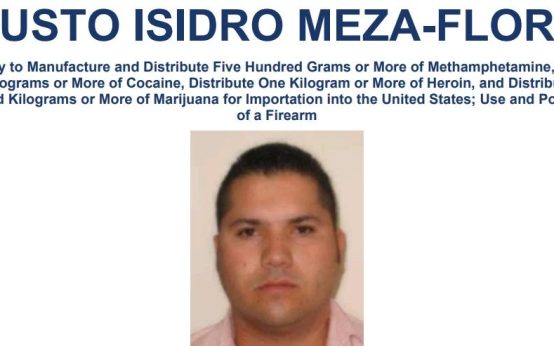 Sinaloa Violence Erupts After Capture of Cartel Leader