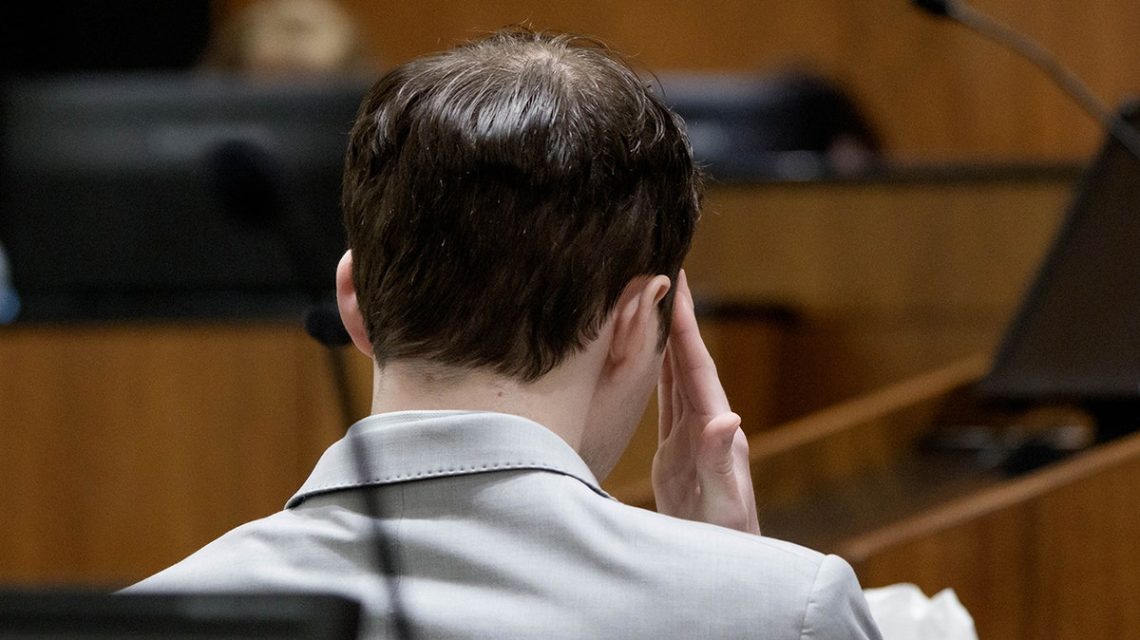
The upcoming trial of Tyler Robinson, accused in the assassination of Charlie Kirk, is set for June 2028. This high-profile case has seen significant developments leading up to the trial.
Defense and Prosecution Arguments
Attorneys for Robinson have requested that a Utah judge halt additional ballistics testing. They argue that prosecutors’ attempts to link bullet fragments found during Kirk’s autopsy to the alleged murder weapon are unnecessary. The Utah County Attorney’s Office opposes this motion, stating the testing will not destroy the evidence and that more compelling evidence is available for the trial.
There is no reason to believe the bullet fragments contain exculpatory evidence,
said Deputy Utah County Attorney Ryan McBride. He emphasized the potential incriminatory value of the fragments.
Evidence Examination and Testing Concerns
Robinson has reportedly admitted to the shooting. Evidence includes three unspent cartridges and bullet fragments consistent with the suspected weapon. Additionally, authorities found video evidence and a Dremel tool matching etchings on the casings found at the scene.
The proposed testing, known as virtual comparison microscopy (VCM), may alter the fragments physically. Prosecutors acknowledge the risk of damage during testing but underline the necessity of examining the rifling marks and surfaces for evidence integrity.
Robinson’s legal team seeks to delay further VCM testing until they can review the evidence themselves or have an expert present during the examination. The FBI’s restrictions, aimed at preventing contamination and ensuring security, complicate this request.
Previous Testing and Methodological Challenges
Jason Pack, a retired FBI supervisory agent, highlighted that earlier testing by the ATF was inconclusive in definitively linking the rifle to the bullet fragments. In his view, advanced VCM techniques might still fail to establish a more definitive link if fragments bear extensive damage.
The defense maintains that extensive damage could hinder independent verification of results and limit cross-examination during trial. However, Bernard Zapor, a former ATF special agent, believes the defense’s concerns might be exaggerated, given the documented condition of the fragments from previous tests.
The Path Forward: Influencing Evidence and Legal Processes
Prosecutors plan further analysis, potentially using 3D technology to capture comprehensive scans. These scans would aid both prosecution and defense in evaluations. While this non-destructive technique requires manipulation of the fragments, the data will be made available to the defense.
In parallel, metallurgical testing and metal comparison with seized ammunition may offer additional insights without conclusively identifying the firearm. Prosecutors also intend to examine unfired cartridges found at Robinson’s residence.
Robinson faces a potential death sentence if convicted, a matter his attorneys aim to contest fully. As trial preparations continue, both sides work toward presenting their strongest interpretations of the complex web of evidence surrounding the assassination.