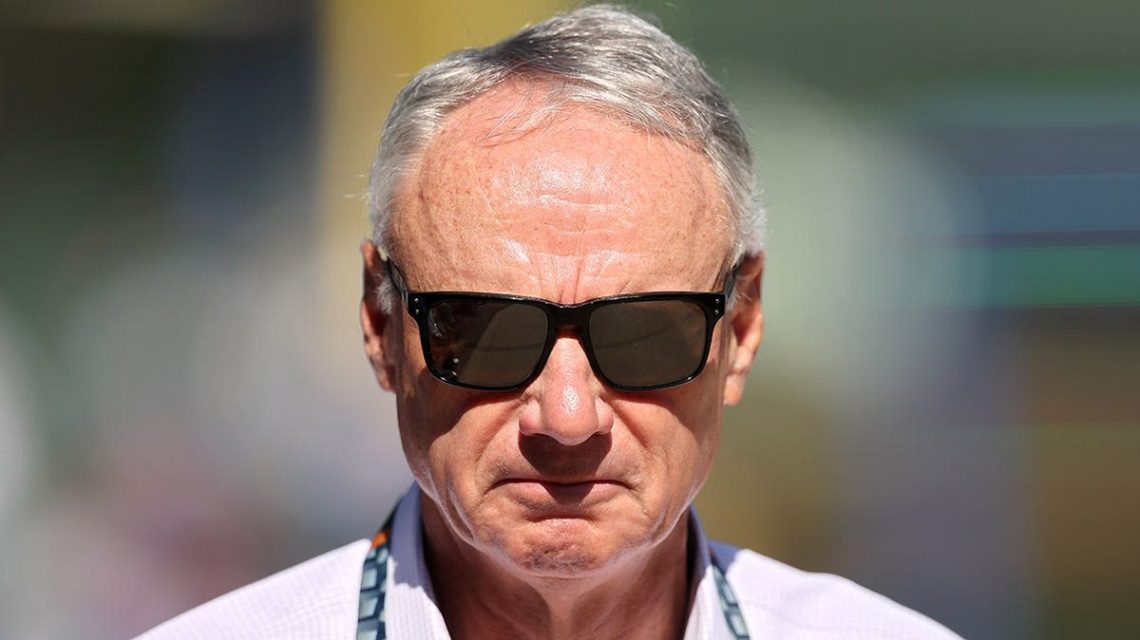
The anticipation of a major shakeup in professional baseball is building, with only two weeks remaining before the expiration of the Collective Bargaining Agreement (CBA) between Major League Baseball’s 30 team owners and the MLB Players Association. The previous CBA negotiation stretched from December 2021 for nearly 100 days, delaying the 2022 regular season’s start and leading to schedule adjustments.
This time, the dynamics are shifting significantly. The 30 team owners have publicly emphasized their intention to overhaul the current MLB structure. They propose introducing a salary cap and an associated floor, a significant departure from baseball’s present system.
Unlike other major sports leagues, baseball has resisted implementing a salary cap. MLB currently practices revenue sharing, where wealthier teams help support smaller market teams, alongside existing restrictions on player movement in the early stages of their careers. Players must typically wait six years after their MLB debut to reach free agency, often hitting free agency past their peak playing age.
Despite such measures, owners prioritize profit maximization and are pushing for a salary cap, a stance reaffirmed by MLB Commissioner Rob Manfred. Manfred insists that fan feedback supports this move. However, players strongly oppose a cap, leading to a tense standoff as the deadline nears.
Manfred recently stated at an owners’ meeting that while there is room for negotiation, the salary cap remains non-negotiable due to fan demand. He urged the MLB Players Association to engage more robustly in the negotiation process.
MLBPA head Bruce Meyer criticized the owners’ firm stance, warning of their intentions to suppress player salaries and enhance profits and franchise values through these changes.
Manfred’s position includes the possibility of working through Thanksgiving to reach an agreement. Both sides remain at an impasse, with a lockout looming. This potential lockout would start on December 2, rooted in the owners’ choice.
Historically, the MLB’s competitive balance, attributed to the sport’s unpredictability, has been adequate. For instance, the Milwaukee Brewers won the 2026 World Series following years of underdog success, contradicting the notion that only high-spending teams can triumph.
In recent years, smaller market teams like the Tampa Bay Rays have reached the World Series twice, showcasing their competitiveness. This challenges the league’s argument that without a salary cap, small market teams have no hope. Yet, the current narrative being pushed aligns with the owners’ agenda.
The potential impact on the 2027 season hangs in the balance. A lockout could exceed the 99-day interruption seen in previous negotiations, as the fundamental disagreements are deeper this time.
Ultimately, the owners aim to increase financial gains by changing revenue distribution. This could alienate fans if games are missed in pursuit of these goals. As the deadline approaches, there’s little progress in negotiations, leaving the future of baseball uncertain.
 Tennessee Titans’ Jaylen Harrell Hospitalized After Car Accident
 Tyler Lundblade: Shooting Star with a Purpose
 Reviving the Spirit of the Army-Navy Rivalry
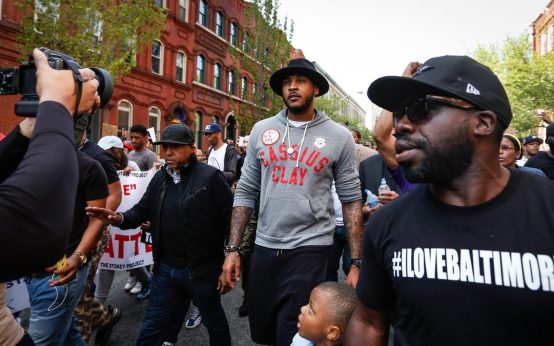 Carmelo Anthony’s Defense of Baltimore Sparks Controversy
 Dallas Cowboys Owner Responds to Fan’s Death Incident During Game
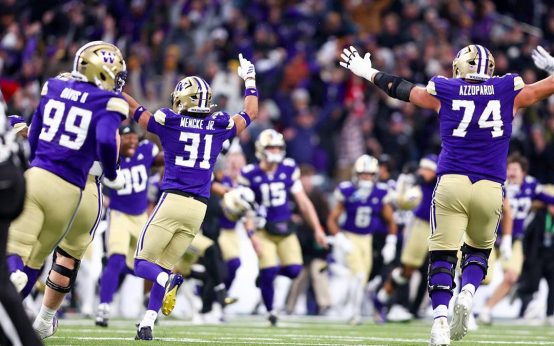 Washington Upsets Indiana in Overtime Thriller