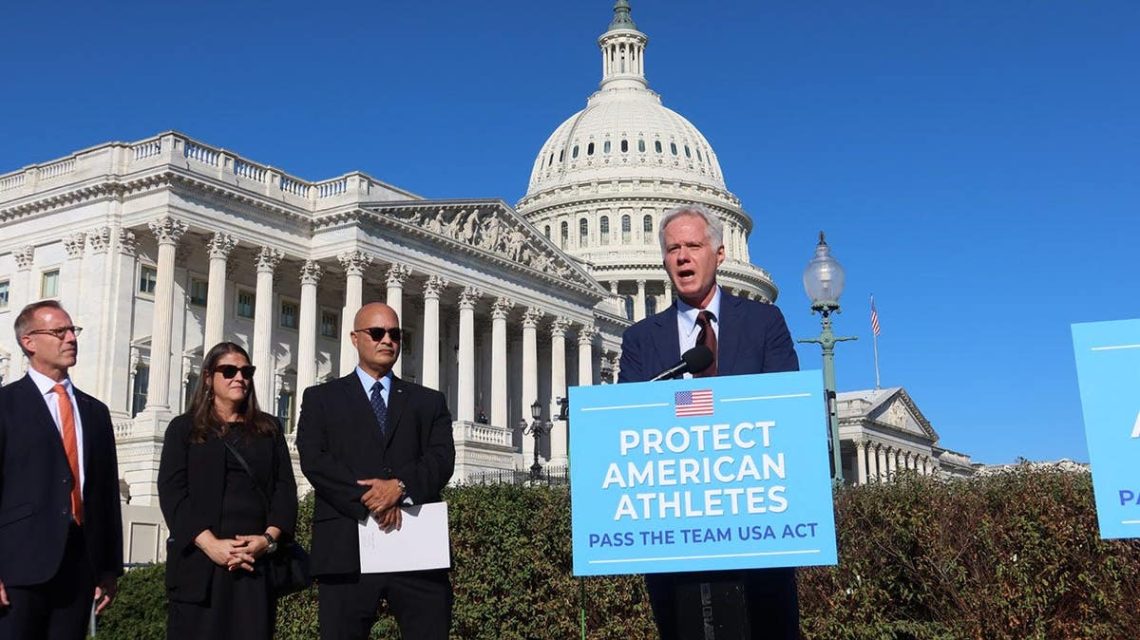
Outside the U.S. Capitol on Wednesday, Patrick McEnroe, President of the International Tennis Hall of Fame, supported the TEAM USA Act. He urged for a 20% cap on international recruits in college sports to secure more opportunities for American students. Speaking with OutKick, McEnroe emphasized that foreign recruits hold nearly 70% of Division I tennis spots, and U.S. taxpayers inadvertently train a significant number of rival Olympians.
Data from the House Education and Workforce Committee shows that international athletes on college scholarships have nearly tripled since 2001, increasing from about 8,945 to approximately 25,000 today. According to McEnroe, college programs function as training grounds for overseas professionals, and without roster limits, American students miss out.
Standing alongside House Education and Workforce Committee Chairman Tim Walberg, McEnroe pushed for the TEAM USA Act during a press conference, advocating for Congress to cap international college athletes at 20% to preserve scholarships for American youth. McEnroe believes there’s a good chance of pushing this through, considering it fair to limit international athletes in collegiate systems to 20%.
During the press conference, Chairman Walberg highlighted the urgency of his bill, formally known as the Training and Education for American Members in University Sports and Athletics Act (H.R. 10351). McEnroe, a former college tennis player at Stanford University, remarked on the growing foreign presence in varsity sports, resulting in fewer opportunities for American-born players.
“The numbers are stratospheric,” McEnroe explained. “For Division I tennis players, both male and female, international athletes dominate, and the trend is rising. Men’s soccer, too, sees over 50% international representation, with some rosters nearly entirely filled by them.”
An ESPN commentator, McEnroe presented to lawmakers the decreasing presence of American student-athletes in NCAA programs, arguing its negative impact on youth sports’ ecosystem.
Coaches, often wary of speaking out, recognize that a cap could break the current cycle. Immediate success pressures athletic departments to recruit older overseas talent, resulting in fewer opportunities for homegrown players. McEnroe pointed out that parents face steep costs and sacrifices for elite junior training when scholarships predominantly go to international semi-professionals.
He emphasized rebuilding a domestic athlete pipeline, suggesting clear guidelines for coaches: “Coaches should be able to have a couple of international players, with the rest of the team filled by American kids.” McEnroe stressed that college sports should remain amateur, providing education and character-building opportunities, rather than becoming professionalized.
At the conference, Walberg drew attention to a concerning paradox using the Paris Olympic Games. While a significant portion of American Olympians had NCAA ties, a majority represented foreign nations, illustrating how U.S. universities trained athletes who later competed against America. McEnroe and Walberg argue foreign governments should support their Olympic programs without relying on U.S. funding.
The TEAM USA Act proposes a consistent 20% cap across collegiate sports. This regulation would apply to all schools, preserving more spots for U.S. athletes. Bipartisan support is necessary for the bill’s passage, with Senator Jon Husted (R-OH) introducing similar legislation in the Senate. McEnroe and Walberg vigilantly informed lawmakers about the shifting landscape of college sports, warning them of the situation’s severity.
If Congress fails to act, opportunities for American students will continue to diminish. McEnroe stresses the importance of maintaining college sports as a pathway for education, character development, and upward mobility. “This is the American collegiate system. It’s intended to educate and uplift, not act as a professional league,” McEnroe told OutKick.
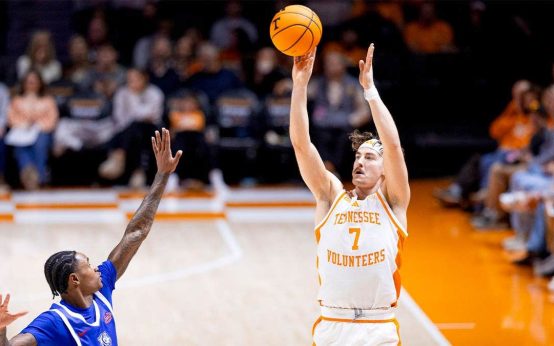 Tyler Lundblade: Shooting Star with a Purpose
 Highlights from Recent News Stories
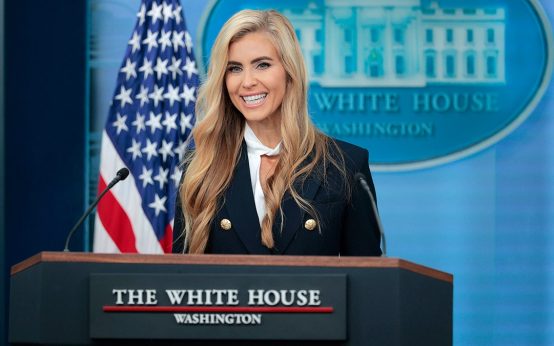 Former Press Secretary Criticizes GOP’s Election Strategies
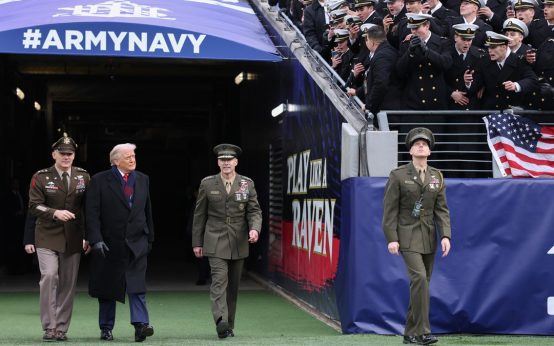 Reviving the Spirit of the Army-Navy Rivalry
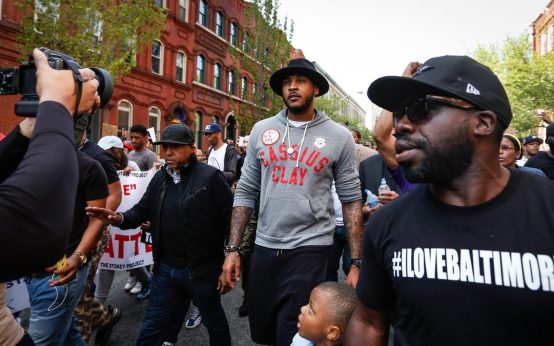 Carmelo Anthony’s Defense of Baltimore Sparks Controversy
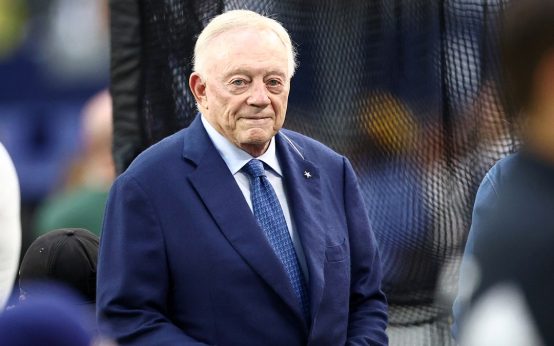 Dallas Cowboys Owner Responds to Fan’s Death Incident During Game