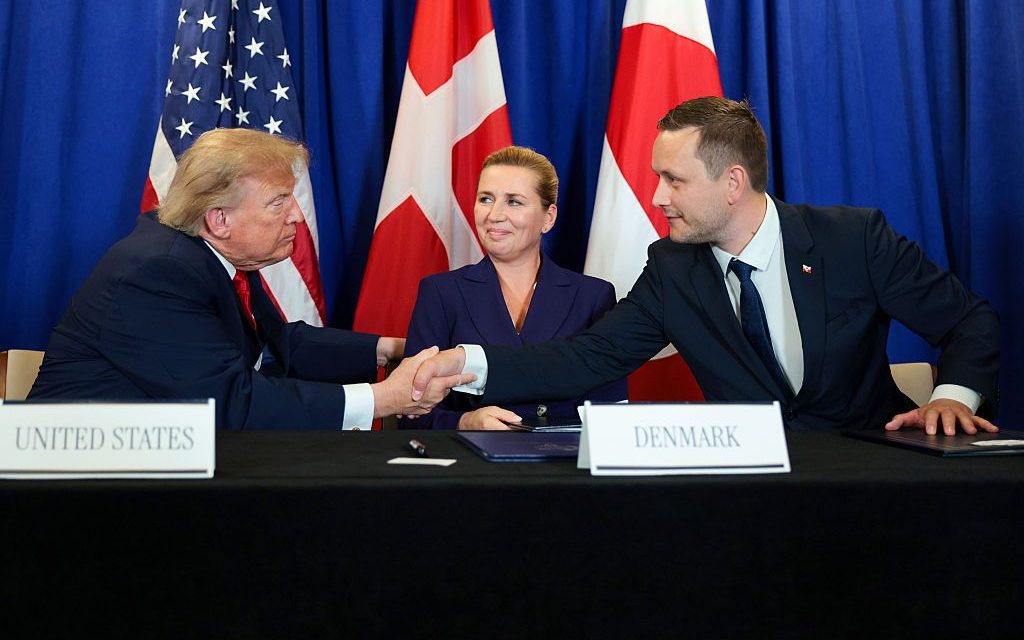
The Danish parliament has given its approval to a significant security agreement involving the U.S. and Greenland, a step that expands America’s military footprint in the Arctic region. Passed by a large majority of MPs in the Folketing, this decision finalizes the parliamentary process for a deal initially signed in September by U.S. President Donald Trump, Danish Prime Minister Mette Frederiksen, and Greenland’s Prime Minister Jens-Frederik Nielsen.
The agreement addresses strategic interests in the Arctic, allowing the U.S. to establish new military installations at Narsarsuaq in southern Greenland and Mestersvig in the northeast. It also ensures an enlargement of operations at the existing Pituffik Space Base. Importantly, the deal enhances U.S. security involvement without transferring any sovereignty over Greenland, which remains a self-governing region under Denmark.
It explicitly recognizes Greenlanders’ right to self-determination, while setting conditions for future independence. If Greenland chooses statehood, it must remain part of NATO and retain its current defense responsibilities.
The arrangement is open-ended, needing mutual consent for any amendments. Additionally, the agreement grants Washington a role in overseeing sensitive foreign investments in Greenland, blocking non-NATO countries from creating military bases without trilateral consent.
The move follows escalating diplomatic tensions fueled by Trump’s strong push to secure control over Greenland, citing U.S. national security priorities. His stance had previously caused a strain in U.S.-Denmark relations, unsettling other European nations about NATO’s future.
The deal was presented by Copenhagen as enhancing Arctic security, while respecting Danish sovereignty. Frederiksen stated during the signing that the agreement respects the Kingdom of Denmark’s sovereignty and Greenlandic self-determination.
In Greenland, the parliament approved the agreement on November 3 with clear support, though seven members abstained, concerned about the potential long-term implications. Greenlandic Foreign Minister Múte Egede voiced a cautionary note about global peace and stability being uncertain.
Opposition leader Pele Broberg raised concerns about the financial benefits for Greenland in the event of future independence, pointing to a perceived lack of substantial economic returns.
In Denmark, Foreign Minister Lars Løkke Rasmussen submitted the agreement for approval on October 22. It was broadly accepted in the first reading on November 12 before a detailed examination by the foreign affairs and defense committee.
With Danish parliamentary approval secured, the agreement becomes effective once Denmark formally informs Washington that all necessary procedures have been finalized in Denmark and Greenland.
This is a developing story, with more updates expected.
 Highlights from Recent News Stories
 Former Press Secretary Criticizes GOP’s Election Strategies
 Trump and Cornyn Clash Over Judicial Nomination
 Ted Cruz and James Talarico Discuss Texas Space Academy Proposal
 Pentagon Releases Declassified UFO Files with Intriguing Plans and Reports
 Newly Proposed Legislation Aims to Ease Family Travel