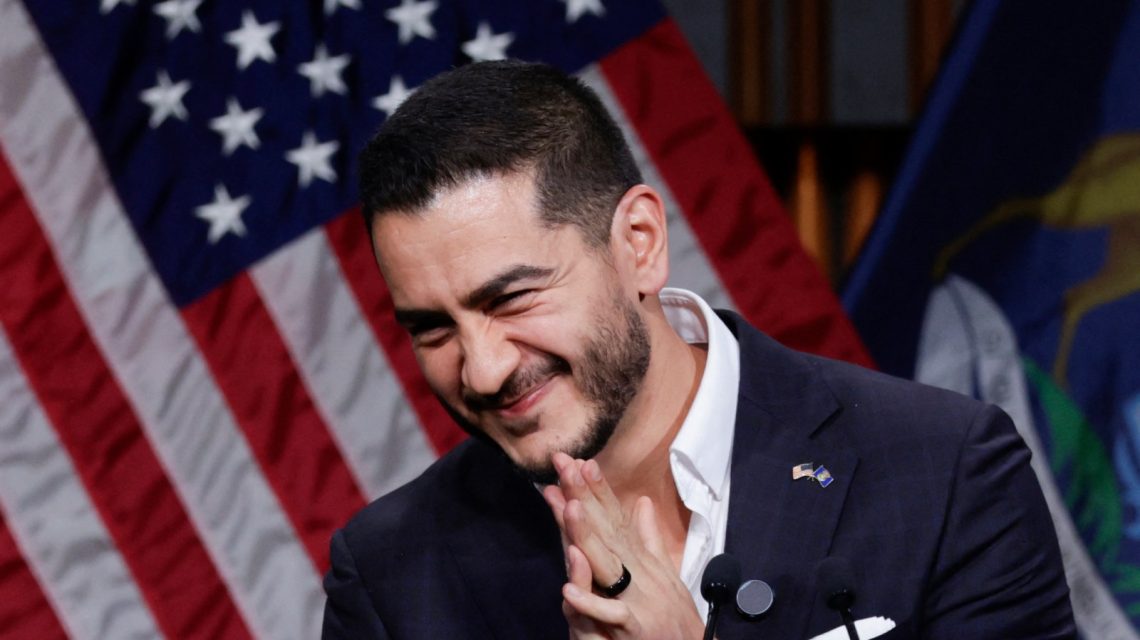
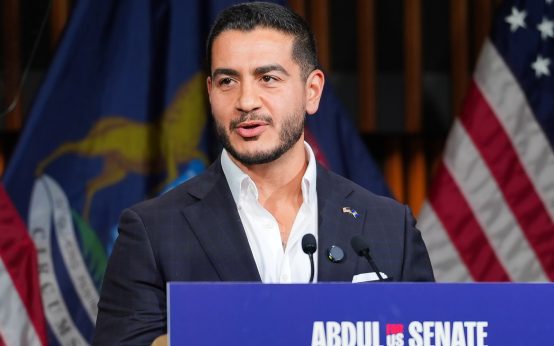
Thomas Jefferson’s Quran, acquired during his law studies in 1765, could gain significance next year as new United States senators are sworn in. Senator-elect Abdul El-Sayed from Michigan might use this Quran for his oath, marking him as the first Muslim senator in American history after his electoral win over Republican Mike Rogers. El-Sayed mentioned the possibility to NPR, noting the historical use of Jefferson’s Quran by Keith Ellison, the first Muslim member of the House.
Additionally, El-Sayed is considering a Quran owned by the University of Michigan, known for its age and historical value. This choice underscores his commitment to using a Quran, aligning with his groundbreaking election results.
The Significance of Swearing on a Quran
El-Sayed’s proposed oath on the Quran reinforces religious freedom, a core aspect of the Constitution. According to Mohammad Hassan Khalil from Michigan State University, this signifies a shift in American politics, where identity seems less influential than a candidate’s message. El-Sayed’s campaign focused on Medicare for All and financial reform, resonating with voters beyond religious considerations.
Political scientist Youssef Chouhoud remarked that El-Sayed’s victory illustrates progress but also highlights existing challenges. He praised El-Sayed’s achievements despite obstacles, reflecting both progress and enduring challenges for American Muslims.
Historical Context and Changing Trends
The upcoming oath could be a Senate first, yet the House of Representatives has seen members sworn in on the Quran before. Keith Ellison, in 2007, set a precedent using Jefferson’s Quran, despite facing criticism. Ilhan Omar and Rashida Tlaib later followed suit, showcasing increasing religious diversification in Congress. Such shifts reflect America’s evolving demographics since the 1965 Immigration and Nationality Act, which facilitated greater diversity.
Diverse Oath Practices
Growing religious diversity in Congress corresponds with more varied oath practices. While the Bible remains a common choice, lawmakers increasingly opt for different texts. Senator Adam Schiff, for example, used a Mishneh Torah, while Tulsi Gabbard chose the Bhagavad Gita, highlighting this trend.
Some lawmakers prefer nonreligious texts, like Representative Robert Garcia’s choice of a vintage Superman comic book, or Former Senator Kyrsten Sinema’s use of the U.S. Constitution. El-Sayed’s decision to use the Quran presents a historic opportunity.
Campaign Challenges and Religious Identity
El-Sayed’s faith became a focal point during his campaign. Accusations of support for jihadists emerged from former President Donald Trump, reflecting anti-Muslim sentiments. At one event, El-Sayed was challenged to reject ties with the Muslim Brotherhood, an organization labeled as terrorist by Trump’s administration. El-Sayed denied any affiliation, emphasizing his dedication to serving the United States.
His opponent, Mike Rogers, echoed these accusations but El-Sayed countered, attributing the scrutiny to prejudice against his identity and name.
Despite these challenges, El-Sayed’s success signals a broader rejection of Islamophobia. As Professor Muqtedar Khan from the University of Delaware observed, the elections signify progress against religious discrimination, although challenges remain.
Khan emphasized the importance of El-Sayed and other Muslim officials keeping campaign promises. El-Sayed’s focus on Medicare for All and economic issues holds particular importance. Their success in office will determine the lasting impact on religious identity in politics.
 Democrats Call Elon Musk an ‘Opportunist’ After Political Shift
 Massachusetts Sues ICE Over Courthouse Arrests
 Trump Administration Plans George Washington Statue at Smithsonian: Controversy and Reactions
 Push for ‘Medicare for All’ Faces Internal Party Divide
 Aurora for Change Advocates Push for Mayoral Recall
 Democrats Outline Plans for 12 Presidential Primary Debates Leading to 2028 Election