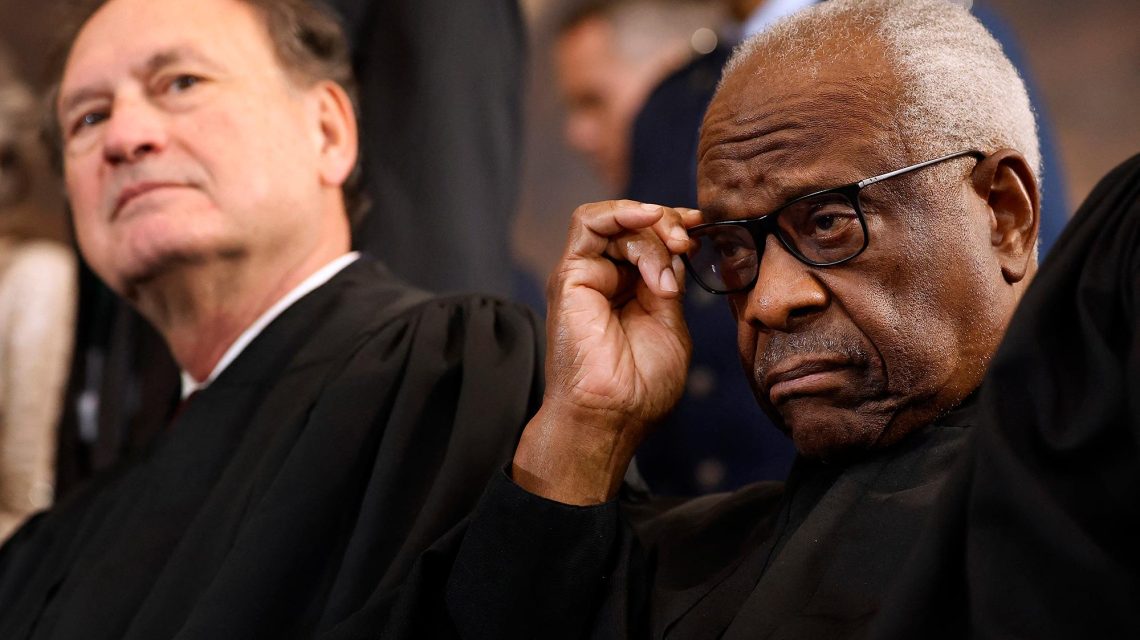
The US Supreme Court recently declined to hear a case concerning a California law that mandates doctors to include “implicit bias” theory in their continuing medical education. This decision leaves in place a state requirement that some argue infringes on the First Amendment.
Proponents of “implicit bias” argue that unintentional attitudes cause doctors to provide lesser care to minority patients. Dr. Azadeh Khatibi, a physician and educator, challenged California’s directive, asserting it forces her to teach as if this theory is an established fact, thus compelling her to express the state’s viewpoint.
Justices Samuel Alito and Clarence Thomas were unable to gather enough support from their colleagues to hear the case. Most justices seemed to accept California’s position that the law is valid because the medical field is well-regulated.
There is a lack of evidence supporting the claim that implicit bias training positively affects patient care. Nevertheless, similar laws exist beyond California. Maryland enacted a law in April tying medical-license renewals to implicit bias education. Virginia’s nearly identical law became effective in July. Illinois will require an implicit-bias course focused on maternal health starting January 1.
The scope of this issue extends beyond medicine. A legislative proposal in New York would mandate implicit bias training for all state employees. Meanwhile, Colorado’s Kelly Loving Act protects a person’s chosen name as an essential aspect of their identity, requiring public employees and businesses to comply or face legal consequences.
In California, Assembly Bill 1803, effective 2028, will require businesses with five or more employees to conduct anti-hate speech training. Will the Supreme Court overlook challenges to this law as well?
Justice Thomas expressed concern that the Supreme Court’s decision not to intervene in Dr. Khatibi’s case might encourage efforts to restrict or compel speech. These efforts are already active, particularly as recent elections have left Democrats controlling both legislative houses and the governorship in 22 states.
 Highlights from Recent News Stories
 DEA Dismantles First U.S. Large-Scale Nitazene Lab
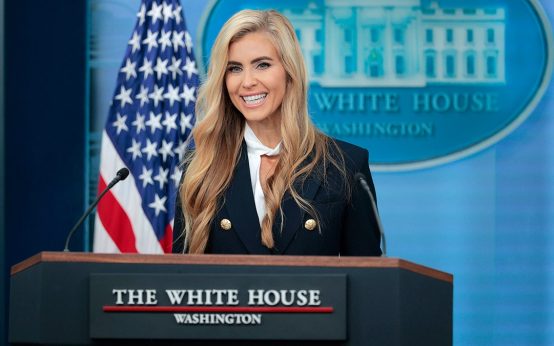 Former Press Secretary Criticizes GOP’s Election Strategies
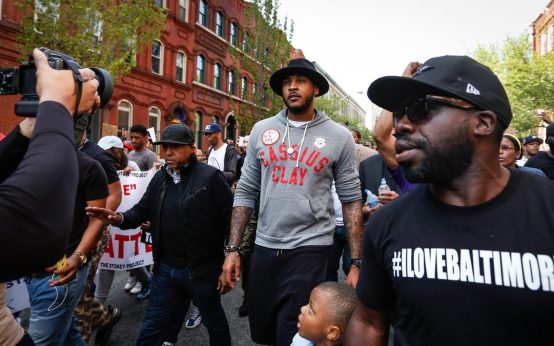 Carmelo Anthony’s Defense of Baltimore Sparks Controversy
 Thanksgiving Remembrance: A Family’s Tribute to NYPD Detective Wenjian Liu
 Developments in Bar-tailed Godwit’s Migration, Trump-Cornyn Dispute, and Measles Resurgence