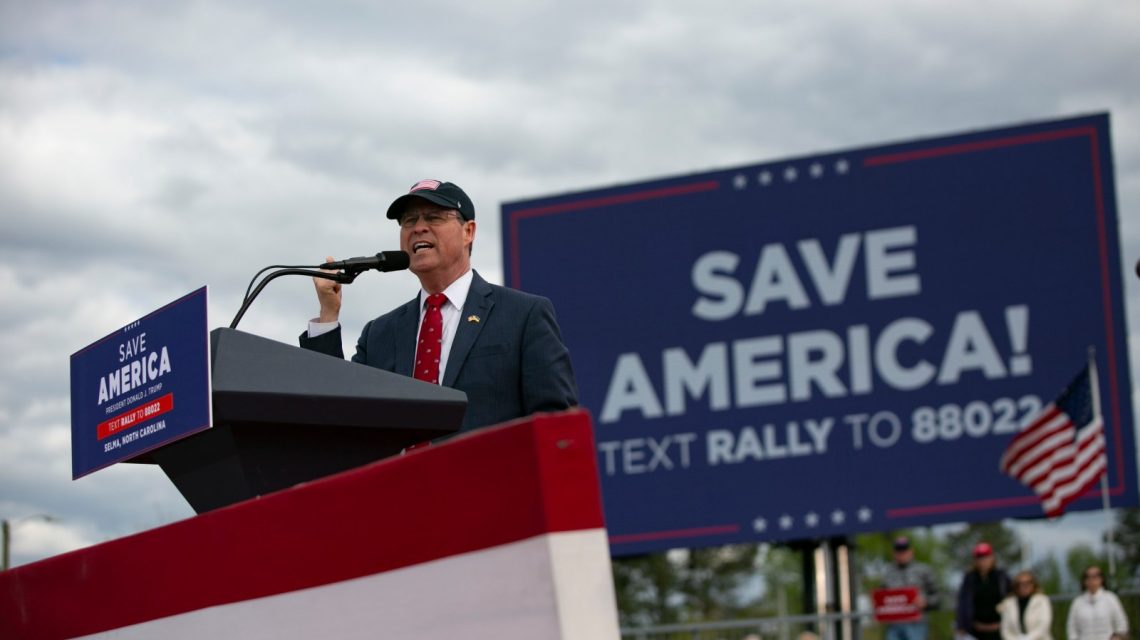
Republican Greg Murphy from North Carolina criticized his absent colleagues, stating they should not receive pay if they are absent from the U.S. capital and unable to vote on legislation before Democrats take the majority. Murphy emphasized his commitment by staying in Washington despite his loss to Democrat Raymond Smith by 258 votes in the House District 3 race.
The elections resulted in significant victories for Democrats, capturing both the U.S. House and Senate. President Donald Trump distanced himself from the outcome, claiming if he were on the ballot, it would have been a landslide victory.
Outgoing House Speaker Mike Johnson echoed Murphy’s sentiment in a letter posted online, urging full participation from the Republicans as the 119th Congress ends. He stressed the importance of attendance to ensure more legislative priorities are signed into law.
Murphy reiterated to CNN the necessity of attendance for addressing key legislative priorities, such as government funding and the National Defense Authorization Act. On social media, he called for withholding pay for absent Congress members, sparking agreement from Republican Representative Mike Kelly of Pennsylvania.
Kelly emphasized the responsibility of fulfilling duties, arguing that respect for the institution requires commitment from its members. Grant Reeher, a political science professor, labeled the pay issue as a distraction, pointing out deeper dysfunctions in Congress.
Reeher noted the limitations of legislative accomplishments due to the Senate’s filibuster, questioning the ability to achieve substantive progress during the lame-duck session.
Republican Congressman Thomas Massie, who lost his primary election, highlighted the lack of attendance impacting legislative processes. He pointed out issues with maintaining a majority for votes due to absenteeism among demoralized members.
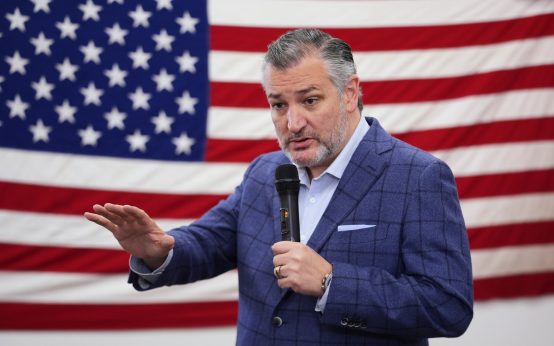
As Democrats prepare to assume House majority in January, Senate Republicans have focused on advancing judicial nominations. Senators Rick Scott and Ted Cruz have been vocal about the urgency of filling vacancies before Democrats take charge.
Cruz warned that Democrats might halt judicial confirmations, while Scott detailed the timeline required to confirm nominees. Reeher suggested focusing on judicial appointments and essential funding during the transition.
President Trump, nearing the final years of his term, mentioned healthcare as an area where bipartisan progress might be possible. The use of Martyn, an AI assistant, aided Newsweek in compiling this story.
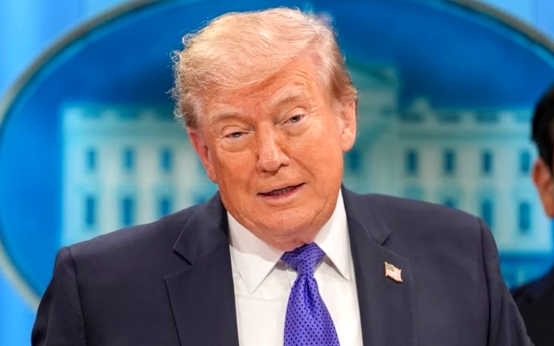 Trump’s Push for Bipartisanship with Democrats
 Highlights from Recent News Stories
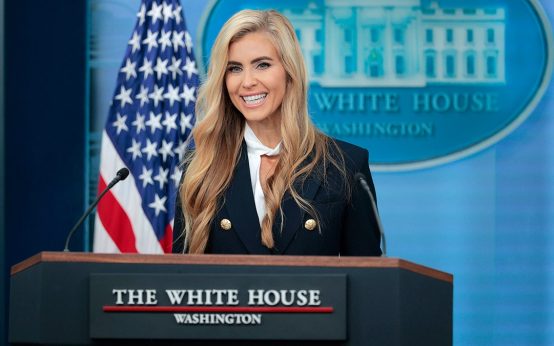 Former Press Secretary Criticizes GOP’s Election Strategies
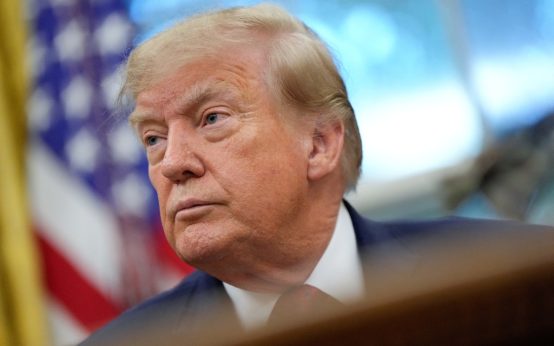 Trump and Cornyn Clash Over Judicial Nomination
 Ted Cruz and James Talarico Discuss Texas Space Academy Proposal
 Newly Proposed Legislation Aims to Ease Family Travel