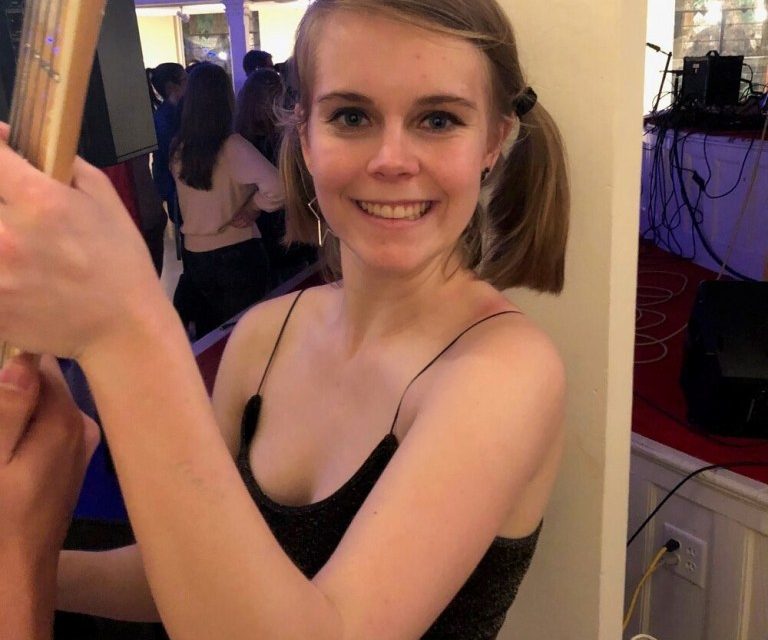
In 2019, Tessa Majors, a freshman at Barnard College, was killed in a brutal attack that involved teenagers in Morningside Park, New York. One of the teens, Luchiano Lewis, who was convicted for his role in the crime, was released last month after serving just three years, despite a judge’s nine-years-to-life sentence.
According to state Department of Corrections records, Lewis, now 21, left Franklin Correctional Facility on October 14. This facility is located near the Canadian border. He was one of three teens who planned to rob Majors as she returned to her dorm in December 2019.
During the attack, Lewis, then 14, held Majors in a headlock while another teenager, Rashaun Weaver, stabbed her. Weaver is serving a 14-years-to-life sentence for the murder. Lewis, during a court hearing in 2021, described how the crime unfolded. He detailed how he and his friends first targeted another man but later chose Majors when the initial target walked too quickly.
During the attack, Majors, an aspiring musician, fought back fiercely. She was stabbed multiple times, with one stab piercing her heart. The attack happened as she was reading her phone. Testimony revealed that another accomplice, Zyairr Davis, handed the knife back to Weaver after it fell during the struggle.
In court, Lewis apologized to Majors’ parents, expressing regret for their loss. The presiding judge, Robert Mandelbaum, mentioned how the crime deeply impacted New York City and criticized Lewis for showing continued violence and lack of remorse while in detention. Lewis had a record that included violent incidents and possession of contraband.
Despite these factors, Lewis was released on conditional community supervision. This release came after serving less than seven years of his sentence. According to state law, inmates can be released after serving two-thirds of their minimum sentence. However, this option is usually not given to inmates with violent prison behavior.
Lewis’ release without a parole hearing was criticized by many, including his defense attorney and former prosecutors. They argued his record should have prevented his early release. To qualify for conditional release, inmates must agree to certain conditions, such as obeying the law and maintaining employment.
Of Lewis’ accomplices, Weaver remains in prison, and Davis is in Rikers for an unrelated charge. Davis had earlier received 18 months for his part in the Majors case. His later arrest was for allegedly firing shots into a crowd.
Michael Alcazar, a former NYPD detective and current professor at John Jay College, argued that Lewis’ release reflects broader issues in the criminal justice system. He believes the system shows more concern for offenders than victims, highlighting a troubling imbalance.
Attempts to reach Lewis for comment were unsuccessful. Majors’ family, still in grief, did not respond to inquiries, but her grandmother expressed ongoing suffering over the loss.