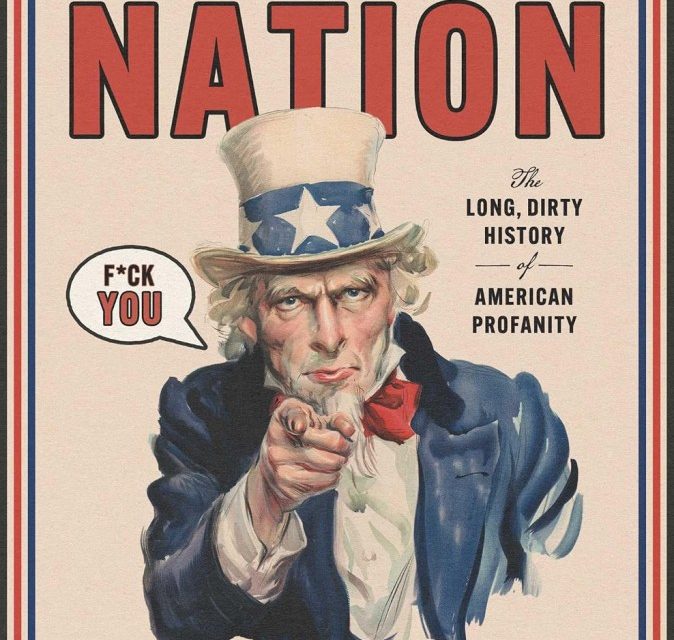
In 1665, John Porter Jr., a Puritan farmer’s son, faced the Quarterly Court in Massachusetts’s Essex County, accused of disrespecting his parents. Historian Steven H. Jaffe, in his book “Four-Letter Nation: The Long, Dirty History of American Profanity,” shares that Porter insulted his father as a “s–t-a-bed” and his mother as a “ram bugger.” Originally sentenced to death, his mother’s plea for clemency spared him as his father wished the execution to proceed.
The court instead fined him two hundred pounds, equivalent to around $50,000 today. Porter was also ordered to stand on the gallows for an hour with a rope around his neck, intended as a humbling and terrifying experience, according to Jaffe.
Jaffe’s book examines how American culture is not just about ambition and innovation, but also a propensity for profanity and attempts to control it. He states, “We’ve always cursed since the start of the Thirteen Colonies, and people have always tried to silence those words.” Much of this originates from the English colonists who arrived in the 17th century with a rich vocabulary of provocative words.
When settlers established Jamestown, Virginia, in 1607, they brought Puritan beliefs that frowned upon bad language. Profane words were censored for being irreligious. Jaffe notes, “Purity of tongue was seen as a measure of godliness and decency for generations.”
In 1662, English immigrant Thomas Baker was tried in Charles County, Maryland, for lewd public comments about his neighbors. The court ordered him to publicly ask for forgiveness on bended knee and cover the lawsuit costs, Jaffe reveals.
Over centuries, cursing evolved in America. During the Civil War, phrases like “kiss my ass” gained popularity. Capt. William Cronan of the 7th Vermont Infantry once told an officer, “the colonel can kiss my royal, majestic, brown, military touch hole.” Even President Abraham Lincoln pepped up his rhetoric with such phrases. In early 1865, he claimed victory in the Civil War would enable “the Southern Confederacy to kiss my ass.”
By the late 1800s, new terms emerged. The phrase ‘motherf–ker’ first appeared in 1888 in Bremond, Texas, when JM Joiner used it during a violent altercation.
Cursing became rebellious and cool in the early 20th century, mirroring changes in American tastes. “Dirty words revitalized expression and broke through phoniness to reality,” Jaffe writes. Initially, men dominated profanity usage, but women gradually joined in. Jaffe adds, “Historical records do show that women also used foul language, albeit quietly and privately.”
Lately, frequent exposure to cursing has reduced resistance to it. Previously shocking words are now common. Jaffe states, “Before the 1960s and 1970s, many dirty words in today’s conversations would have caused outrage.” People now have personal thresholds for what words offend in various contexts.
Does the ubiquity of cursing today mean it lacks impact? Jaffe ponders. He suggests our staples, like the f-bomb, retain power in specific situations. New profane slang by Gen Z, often in social media, continues to reflect this persistent verbal practice.
“Gen Z has unleashed new profane slang that confounds older generations,” Jaffe remarks. He notes that traditional curse words still carry weight in certain settings.
 Discovering Fellow Book Lovers on a Late Fall Day
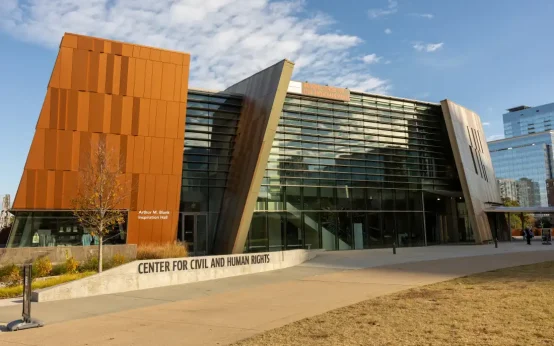 Martin Luther King Jr.’s Speech Draft Displayed in Atlanta
 Preserving History: The Sixth Floor Museum at Dealey Plaza
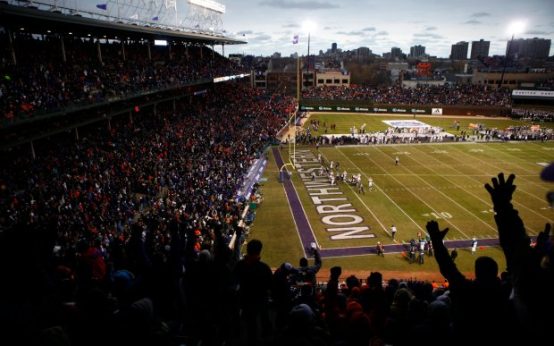 Historical Events on November 20 in Chicago
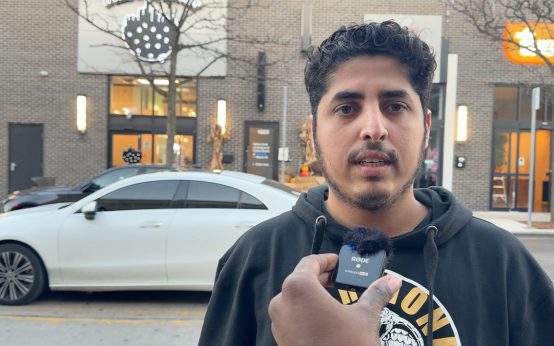 Dearborn Residents Advocate for Embracing Diversity Amid Demographic Changes
 Controversy Surrounds NWSL on Transgender Participation Policies