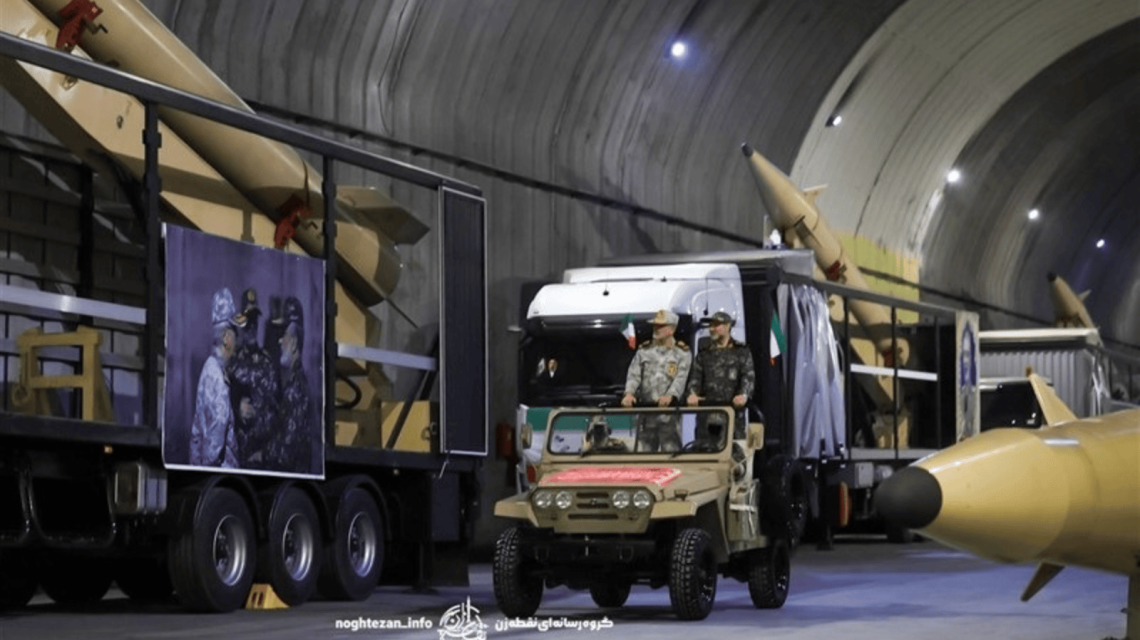
In April, U.S. Defense Secretary Pete Hegseth announced significant strikes that allegedly destroyed Iran’s defense infrastructure. He claimed that Iran’s ability to produce missiles and UAVs was severely diminished. However, by November 10, Iran’s Revolutionary Guard revealed footage of a supposed underground missile facility filled with ballistic and cruise missiles.
The accuracy of this facility’s existence is uncertain, with possibilities ranging from new constructions to propaganda. However, the intent to project resilience is evident. Despite prolonged conflict and a U.S. maritime blockade, Iran continues its missile endeavors. Current intelligence estimates suggest Iran possesses 1,500 to 2,500 ballistic missiles, with production continuing at a reduced rate.
The effectiveness of initial U.S. strikes raises questions. How does a nation with crippled facilities continue missile production?
The answer lies in prewar stockpiles and continued overseas acquisitions. Stockpiled parts are depleting, and control over foreign purchases is now critical.
An analysis titled Newsweek on Foreign Supply Lines elucidates this complex web. Iran sources necessary materials internationally, despite sanctions. Techniques include using intermediaries and clandestine routes. For example, components often reach Iran through a series of transfers and false documentation.
Various public records indicate ongoing illicit procurement efforts. Historical cases reveal numerous networks that facilitated Iran’s acquisitions. This includes carbon fiber rerouted through the UAE by a Turkish broker and advanced machinery reaching Iran via international intermediaries.
Despite broad sanctions, these networks are adaptable. A former CIA analyst predicts that Iran could still assemble numerous missiles from prewar components. Experts suggest Iran is likely assembling, not manufacturing, parts that were hidden before the conflict.
Recent satellite surveys affirm that key solid-propellant facilities remain inactive. Nonetheless, Iran actively reconstructs these sites, indicating persistence in restoring production capabilities.
Sanctions target this activity, especially notable is the procurement of sodium perchlorate, a vital chemical in missile propellant, from Chinese suppliers. Despite sanctions, evidence suggests ongoing procurement activities, and experts warn that enforcement must target entire networks.
The strategic geography of Iran complicates international efforts to curb its procurement. Enforcing blockades, especially on the Caspian Sea routes, proves challenging for Western forces. Unverified reports indicate Russia supplies Iran across this waterway.
Military interventions and sanctions did disrupt but did not dismantle Iran’s missile program.
Intelligence highlighted available production capacity, but the creation of crucial components lags. The restoration of Iran’s missile production facilities is estimated to take several more years.
While the war impacted Iran’s production, its focus on redundancy rather than efficiency allows continued operations. Continual vigilance and multifaceted approaches are recommended by experts to sustain pressures against Iran’s missile capabilities.
To monitor Iran’s progress, experts recommend observing satellite imagery for new facility developments and analyzing output levels and enforcement results from intercepting illicit material shipments. Climbing production figures or exposed shipping networks could indicate shifts in Iran’s capabilities.
Former President Donald Trump expressed a willingness to reassess military options after potential negotiations. Meanwhile, the contest largely shifts to logistics, procurement networks, and tracking illicit trade, extending beyond direct military actions.
 NATO Alerts on Potential Russian Nuclear Satellite Launch
 Medvedev Warns of Potential Nuclear Strike Amid Rising Tensions
 Concert Evacuation Due to Unknown Substance at Don Toliver Event
 Global Events and Key Developments
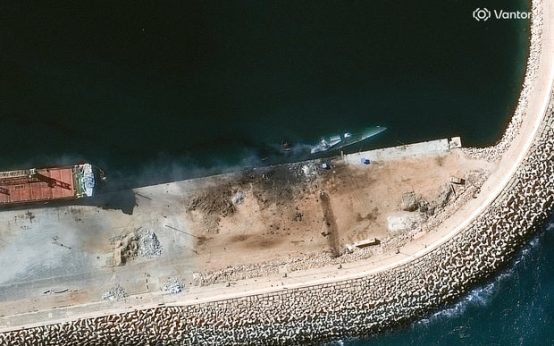 Ukraine Claims Responsibility for Attack on Russian Warship in Libya
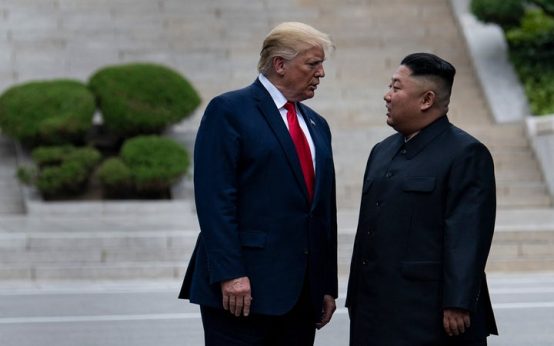 Trump’s Efforts to Connect with Kim Jong Un Face Challenges